
You have been putting in the work. But your jump still feels the same. Sound familiar?
Most people train hard but train the wrong way. They do endless calf raises and hope for the best. The truth is, learning how to improve vertical jump takes more than just leg exercises. It takes the right mix of strength, technique, and recovery.
The good news? You do not need to be a professional athlete to jump higher. You just need a plan that actually works.
This guide covers everything from the muscles behind your jump to the exact training programs you can start this week.
By the end, you will know exactly what to fix and how to fix it.
How Does a Vertical Jump Work?
Your vertical jump is not just about leg strength. It is about how well your muscles work together in a split second.
Three key muscle groups drive your jump. Your glutes, quads, and hamstrings generate the main pushing force. Your calves add the final push at takeoff. Your core keeps everything stable, so no energy is wasted.
Three mechanics decide how high you go:
- Force production means how much power your legs can generate
- The rate of force development means how fast the power is generated
- Neuromuscular efficiency means how well your brain and muscles communicate
Most athletes only focus on strength. But the speed of muscle activation matters just as much. A stronger athlete does not always jump higher.
A faster, more coordinated athlete often does. Training all three mechanics together gives you the best results.
Warm-Up & Mobility: Preparing to Improve Your Vertical Jump
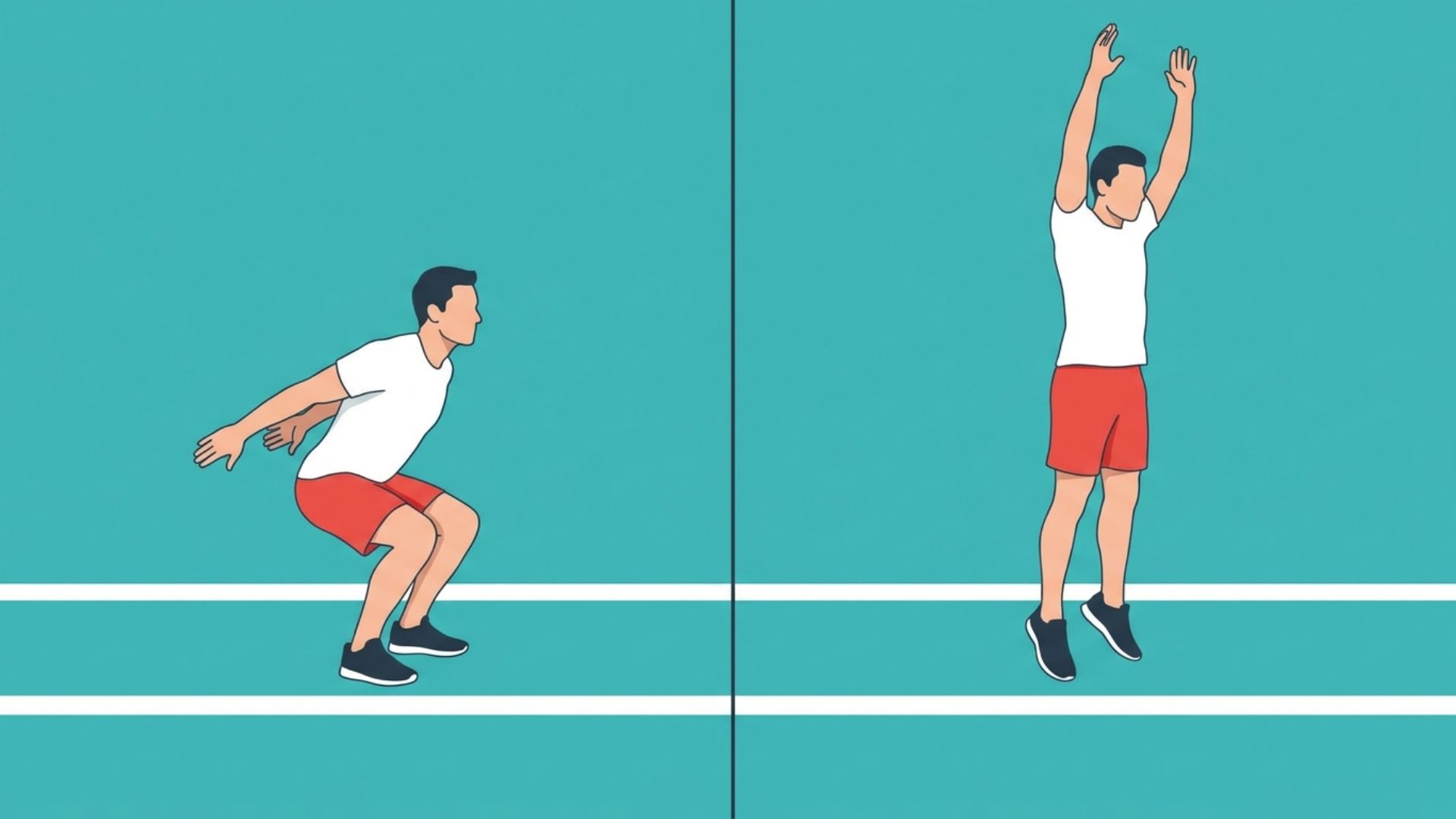
Skipping your warm-up is the fastest way to slow down your progress. Your body needs to be ready before it can perform.
Dynamic Stretches:
- Leg swings front to back and side to side
- Hip circles to open up the hip joint
- Ankle rotations to improve takeoff mobility
- Walking lunges with a torso twist
- High knees for 30 seconds to raise your heart rate
Foam Rolling and Soft Tissue Prep:
- Roll your quads, hamstrings, and calves for 30 to 60 seconds each
- Focus on tight spots and slow down when you find one
- Roll your glutes and IT band to release hip tension
- Spend extra time on your calves if ankle stiffness is an issue
Mobility Drills:
- Deep squat holds to increase hip and ankle range
- Knee to wall ankle stretch for better dorsiflexion
- Hip flexor stretch to allow full glute activation at takeoff
- Lateral band walks to activate glutes before jumping drills
A good warm-up takes only 10 to 15 minutes. That small investment protects your joints and helps you get more out of every session.
Strength Training to Improve Vertical Jump
You cannot jump higher without building stronger legs. Strength is the base of every good vertical jump program.
Lower Body Exercises for Power:
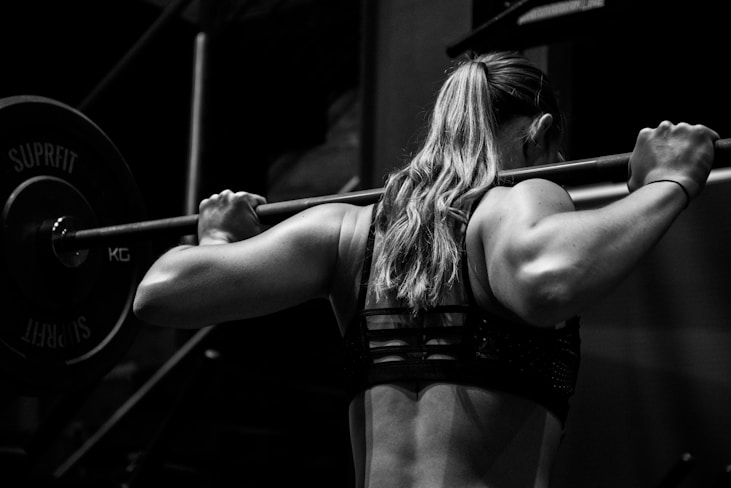
- Squats build quad and glute strength through a full range of motion
- Deadlifts train your hamstrings and glutes to produce force from the ground up
- Lunges fix muscle imbalances between your left and right legs
- Hip thrusts isolate your glutes for maximum power at takeoff
- Step-ups build single-leg strength, which directly carries over to jumping
Core Strengthening:
- Planks and dead bugs keep your torso stiff during explosive movements
- A weak core leaks power and reduces jump height
- Train your core at least 3 times per week alongside leg work
- Add pallof press and suitcase carries for real-world core stability
Progressive Overload:
- Add small amounts of weight each week to keep getting stronger
- Track your lifts so you know when to increase the load
- Your muscles adapt fast, so consistent progression is what drives results
- Aim for a 5 to 10 percent increase in load every two to three weeks
Strength training works best when you pair it with jump practice. Lift heavy two days a week. Do jump drills on separate days. This combination builds both raw power and explosive speed at the same time.
Technique Tips to Maximize Vertical Jump
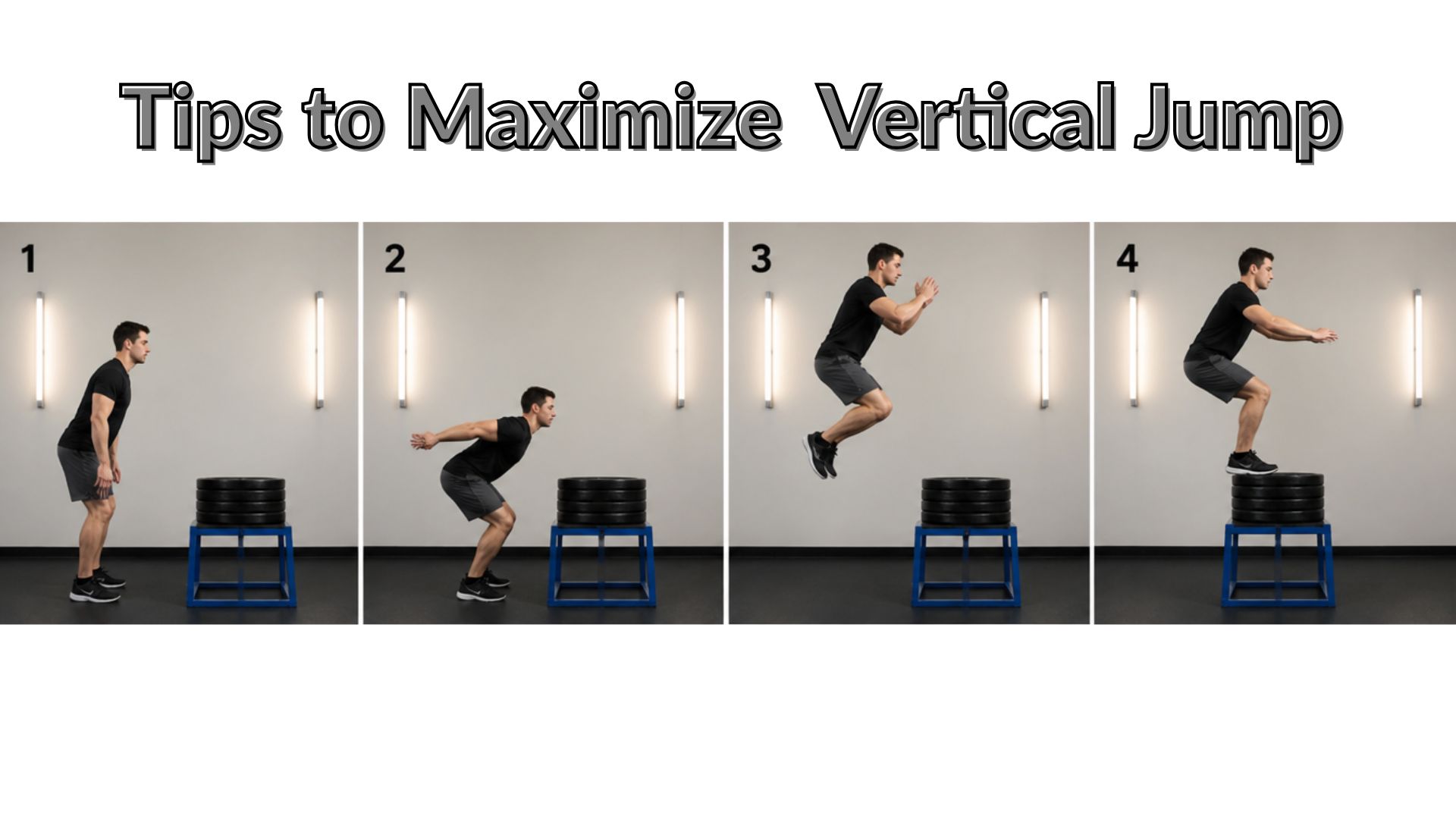
Bad technique wastes good strength. Small fixes here can add inches to your jump without any extra training.
Arm Swing, Hip Drive, and Foot Positioning:
- Swing your arms back as you load down and drive them up hard at takeoff
- Push your hips back during the dip to load your glutes fully
- Keep your feet shoulder-width apart for the most stable and powerful base
- Land softly with bent knees to protect your joints and prepare for the next jump
Jump Timing and Coordination Drills:
- Practice the dip and drive pattern slowly before adding speed
- Box jumps teach your body the right timing between loading and exploding
- Broad jumps improve your ability to transfer strength into vertical power
- Repeat jump drills train your body to reset fast between efforts
Common Technique Pitfalls to Avoid:
- Letting your knees cave inward during the jump
- Taking off on your toes instead of your full foot
- Not using your arms at all during the jump
- Pausing too long at the bottom of your dip before exploding up
Sample Training Programs to Improve Vertical Jump
Every athlete starts somewhere. Pick the level that matches where you are right now and follow it consistently for the best results.
| Component | Beginner | Intermediate | Advanced |
|---|---|---|---|
| Focus | Bodyweight movement and basic jumps | Gym strength plus jump drills | Strength, technique, and conditioning combined |
| Squats | Bodyweight squats 3×10 | Barbell squats 4×6 | Pause squats plus jump squats 5×5 |
| Deadlifts | Romanian deadlift with light dumbbells 3×10 | Barbell deadlift 4×5 | Heavy deadlift plus trap bar variation 5×3 |
| Jumps | Standing broad jumps 3×5 | Box jumps 4×5 | Depth jumps plus max effort jumps 5×4 |
| Core Work | Plank 3×30 seconds | Dead bug 3×10 each side | Weighted carries plus ab rollouts 4×10 |
| Conditioning | Jump rope 5 minutes | Sprint intervals 4×30 meters | Full speed sprint plus lateral bounds 6×30 meters |
| Sessions Per Week | 3 days | 4 days | 5 days |
| Rest Between Sets | 90 seconds | 2 minutes | 3 minutes |
Weekly Scheduling Suggestions:
- Beginner: Train Monday, Wednesday, and Friday. Rest on all other days
- Intermediate: Train Monday, Tuesday, Thursday, and Saturday. Rest on Wednesday and Sunday
- Advanced: Train Monday through Friday. Keep Saturday and Sunday as full rest or light walking only
- Never train jump sessions on back-to-back days. Your nervous system needs recovery time to perform well again
Stick to one program for at least 8 weeks before switching. Results come from consistency, not from constantly changing your routine. Track your jump height every two weeks so you can see real progress over time.
Nutrition & Recovery for Improving Vertical Jump
You can train hard every day. But without the right food and rest, your jump will not improve. Recovery is where your body actually gets better.
Macronutrient Focus for Explosive Performance:
| Macronutrient | Role in Performance | Daily Target |
|---|---|---|
| Protein | Repairs muscle tissue broken down during training | 0.7 to 1 gram per pound of body weight |
| Carbohydrates | Main fuel source for explosive movements | Eat before and after every training session |
| Healthy Fats | Supports joint health and reduces inflammation | Include eggs, nuts, and fish in daily meals |
Sleep and Rest Strategies for Muscle Repair:
- Get 7 to 9 hours of sleep every night. This is when your muscles rebuild and grow stronger
- Avoid training to failure every session. Your body needs manageable stress to adapt well
- Take at least one full rest day per week. More is not always better when it comes to jumping higher
Recovery Tools:
- Light stretching after every session keeps your muscles loose and reduces next-day soreness
- Foam rolling two to three times per week helps blood flow reach tired muscles faster
- Light activity on rest days, like walking or swimming, keeps your body moving without adding stress
Start Working on Your Vertical Jump Today!
Most athletes overtrain and undereat. Both mistakes slow your progress. Treat your nutrition and recovery with the same focus you give your workouts. Your body gets stronger outside the gym, not inside it.
Knowing how to improve vertical jump is only half the job. The other half is showing up and doing the work.
Start with your warm-up. Fix your technique. Build your strength with the right exercises. Follow a program that matches your level. Eat well and sleep enough.
None of this is complicated. But all of it requires consistency.
Pick one section from this guide and apply it today. Not next week. Today. Small steps taken every day add up faster than you think.
Have questions about your training? Drop them in the comments below. We would love to help you reach your goals.