
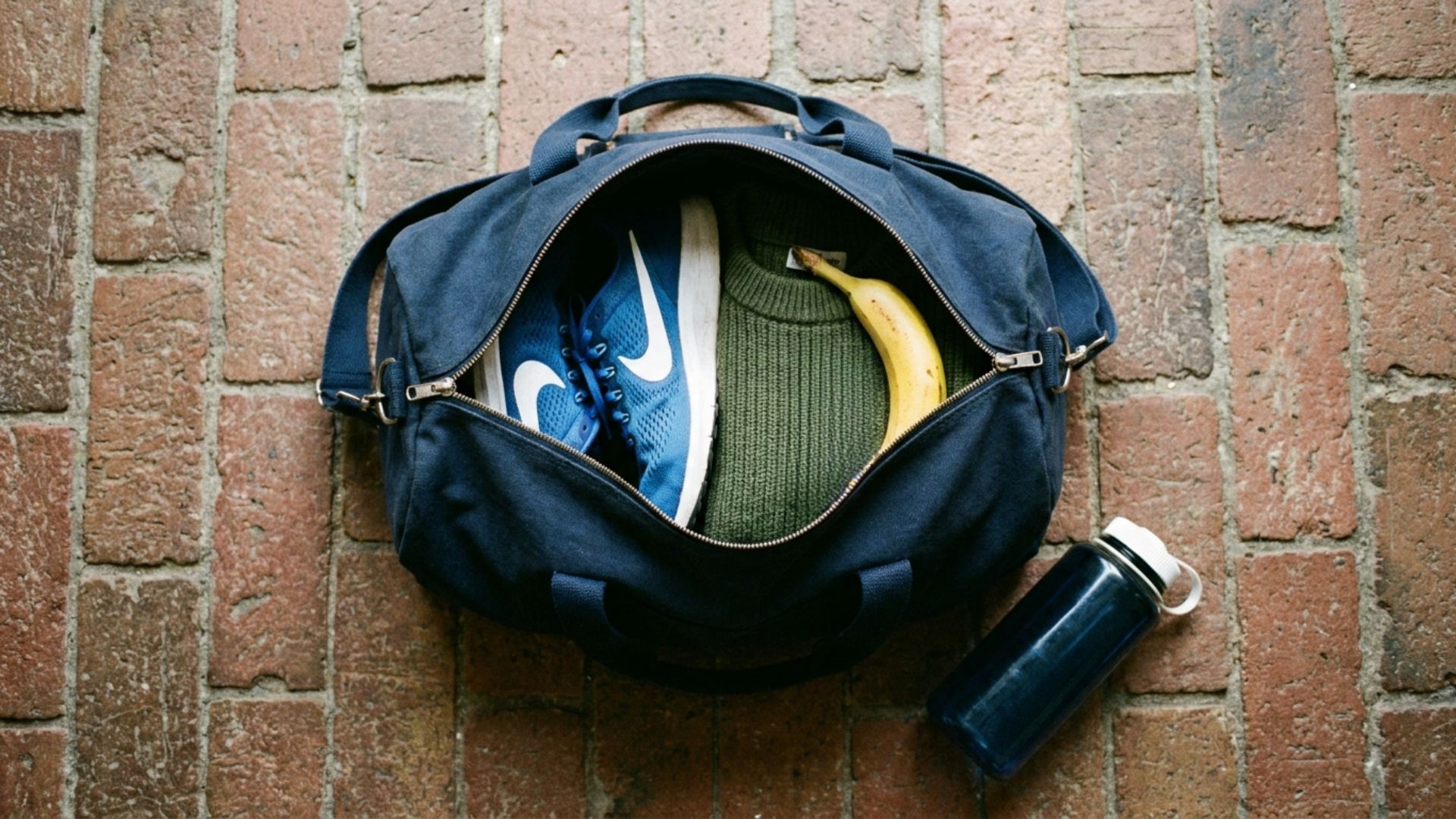
You trained for months. But your pre-run meal could decide how that run actually goes.
Get your pre-run meal wrong, and your legs feel heavy by mile three. Get it right, and you run stronger, longer, and recover faster.
Knowing what to eat before a long run is not complicated. Your body gives you clear signals. You just need to learn how to read them and respond with the right foods at the right time.
This guide covers the best foods to eat, when to eat them, what to skip, and how to build a plan that works for your body and your goals.
Why Does Eating Before a Long Run Matter?
Your body needs fuel to run long distances. Without it, you hit a wall fast.
Glycogen is your body’s main energy source during a run. Your muscles store it and burn through it quickly. Once glycogen runs out, your legs feel heavy, and your pace drops fast.
Carbs refill those glycogen stores before you head out. They keep your energy steady from the first mile to the last. Without enough carbs, your body struggles to meet the demand.
Skipping food before a long run leads to early fatigue. You may feel dizzy, weak, or unable to finish strong. Poor fueling also affects your focus and mental sharpness on the road.
9 Best Foods to Eat Before a Long Run
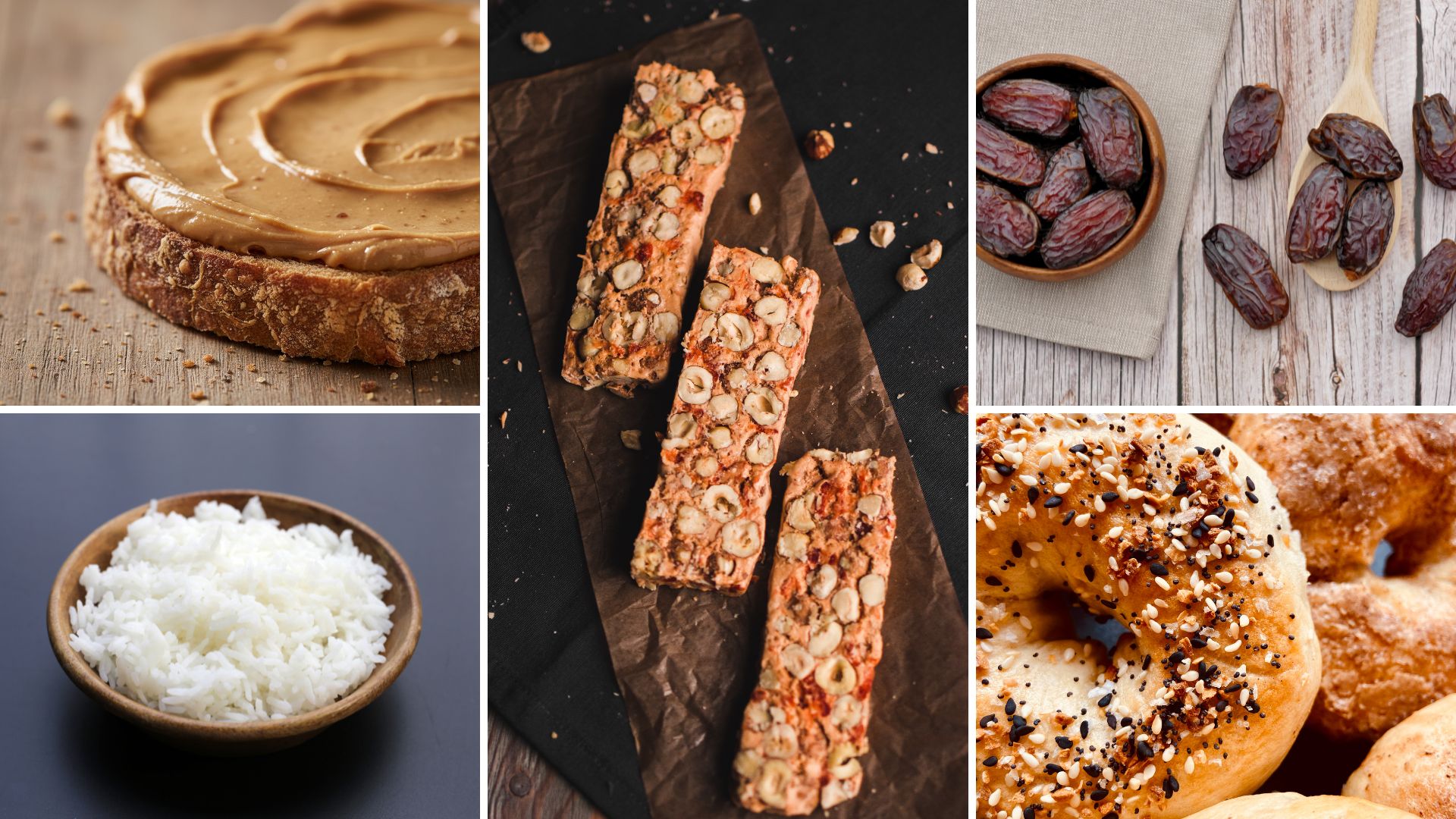
Knowing what to eat before a long run can make a real difference in your performance. These nine foods give your body the right fuel at the right time.
1. Bananas
Bananas are easy to digest and full of natural sugars. They give you a quick energy boost without upsetting your stomach.
They also carry potassium, which helps prevent muscle cramps during your run. Eat one about 30 to 60 minutes before you head out.
2. Oatmeal
Oatmeal releases energy slowly and steadily. It keeps you feeling full without weighing you down. A bowl of plain oatmeal about two hours before your run works well.
- Add honey for a quick carb boost
- Top with banana slices for extra potassium
- Avoid high-fat toppings like cream or butter
3. Toast With Peanut Butter
Toast gives you fast carbs. Peanut butter adds a small amount of protein and healthy fat.
Together, they give you lasting energy without causing digestive discomfort. Keep the portion small so your stomach stays settled during the run.
4. Bagels
Bagels are carb-dense and easy on the stomach. They are a go-to choice for many long-distance runners. A plain bagel with a light spread of butter or jam works well one to two hours before a run.
5. Rice
White rice is light, simple, and easy to digest. It loads your muscles with glycogen without causing bloating. Many runners prefer white rice over brown rice before a long run because it digests faster and sits comfortably in the stomach.
6. Greek Yogurt With Fruit
Greek yogurt gives you protein and carbs in one meal. Pair it with berries or sliced banana for added natural sugar. Eat this about two hours before your run to give your body enough time to digest properly.
- Choose low-fat Greek yogurt for easier digestion
- Avoid flavored yogurts with high added sugar
- Stick to soft fruits like berries or bananas
7. Dates
Dates are small but pack a strong energy punch. They are high in natural sugar and are digested quickly. Two to three dates about 30 minutes before a run can top up your energy levels without filling your stomach.
8. Energy Bars
A good energy bar gives you carbs, a bit of protein, and easy portability. Look for bars with simple ingredients and low fiber content.
- Avoid bars with high sugar alcohols
- Skip bars with heavy nuts or seeds before a run
- Choose bars with under 5 grams of fiber
9. Applesauce
Applesauce is gentle on the stomach and absorbs fast. It is a smart choice when you do not have much time before your run. A small pouch gives you quick carbs without any heaviness or digestive stress.
What to Eat Before, During, and After a Long Run
Fueling your run is not just about what you eat before you start. What you consume during and after matters just as much.
| Timing | What to Eat | Purpose |
|---|---|---|
| Before Run | Oatmeal, bananas, toast, rice, bagels | Build energy and glycogen stores |
| During Run | Energy gels, sports drinks, chews, bananas | Maintain stamina and prevent fatigue |
| After Run | Protein shake, eggs, yogurt, chicken with rice | Recovery and muscle repair |
Getting all three phases right keeps your body strong from start to finish. Miss one, and your performance and recovery will both suffer.
When to Eat Before a Long Run?
Timing your meals correctly is just as important as choosing the right foods.
Meals eaten several hours before running:
- Eat a full meal 2 to 3 hours before your run
- Choose carb-rich foods like oatmeal, rice, or toast
- Keep fat and fiber low to avoid stomach discomfort
- Give your body enough time to digest before you head out
Snacks eaten closer to run time:
- Eat a light snack 30 to 60 minutes before running
- Stick to simple, easy-to-digest options like a banana or dates
- Avoid anything heavy, greasy, or high in fiber
- Keep portions small so your stomach stays comfortable
How much water to drink before running:
- Drink 16 to 24 ounces of water 2 hours before your run
- Sip another 8 ounces about 20 to 30 minutes before you start
- Do not chug large amounts right before running
- Steady hydration through the day works better than drinking all at once
Water vs electrolyte drinks:
- Water works well for runs under 60 minutes
- Electrolyte drinks help replace sodium and potassium lost through sweat
- Choose electrolyte drinks for runs lasting longer than one hour
- Avoid drinks with high sugar content right before you run
Foods to Avoid Before a Long Run
Eating the wrong foods before a long run can hurt your performance and upset your stomach. Here is what to keep off your plate before you head out:
❌ Greasy and fried foods like chips, fries, and heavy fast food sit in your stomach for too long. They slow down digestion and make you feel sluggish on the road.
❌ High-fiber foods like beans, lentils, broccoli, and whole-grain bread can cause bloating and cramping during a run. Save these for your post-run meals instead.
❌ Sugary snacks like candy, pastries, and sodas give you a short burst of energy. That energy drops quickly, leaving you feeling more tired than before.
❌ Spicy foods like hot sauce, chili, and heavily seasoned dishes can cause heartburn and stomach discomfort while running. Your digestive system does not handle spice well under physical stress.
❌ Dairy-heavy meals, such as full-fat milk, cheese, and cream-based dishes, are slow to digest. They can cause nausea and bloating during your run.
❌ Alcohol dehydrates your body and affects muscle function. Even a small amount the night before can impact how you feel on the road.
Common Pre-Run Fueling Mistakes
Even experienced runners make fueling mistakes that cost them on the road. Here are the most common ones to watch out for:
- Eating too much before running: A large meal sits heavy in your stomach and causes cramping and nausea during the run.
- Trying new foods on a run day: Your stomach reacts unpredictably to unfamiliar foods. Always test new foods on easy training days first.
- Eating too close to the run: Running on a full stomach leads to side stitches and discomfort. Finish eating at least 30 to 60 minutes before you start.
- Ignoring hydration needs: Many runners forget to drink enough water. Dehydration slows you down and raises your heart rate fast.
- Skipping food altogether: Running on an empty stomach drains your glycogen stores quickly. You will tire fast and struggle to maintain your pace.
How to Build the Right Pre-Run Nutrition Plan?
Building the right pre-run nutrition plan takes time and practice. What works for one runner may not work for another. The goal is to find what fuels your body well and stick with it.
- Test one new food at a time during easy training runs
- Keep a simple log of what you ate and how you felt
- Never wait until race day to try something new
Your meals should also change based on distance and weather. A shorter run needs less fuel than a long one. Hot weather increases your sweat rate, so you need more fluids on warmer days.
- Eat more carbs before longer runs
- Increase water intake on hot and humid days
- Reduce portion sizes for shorter, easier runs
Pay close attention to how you feel during and after each run. Track your energy levels and stomach comfort. This helps you spot patterns and make small changes over time.
- Aim for a carb-heavy meal 2 to 3 hours before your run
- Add a small portion of protein to support your muscles
Conclusion
Figuring out what to eat before a long run does not have to feel overwhelming. Start simple. Pick foods your stomach handles well. Eat at the right time. Drink enough water.
Small changes to your pre-run nutrition make a real difference on the road. You will feel it in your energy levels, your pace, and how well you recover after each run.
Your nutrition plan will not be perfect right away. That is completely normal. Keep testing, keep tracking, and adjust as you go.
Ready to take your running further? Check out our guide on post-run recovery meals to make sure your body gets everything it needs after the miles are done.