
You bought the shoes. You told yourself this is the week. Then you stepped outside, ran for three minutes, and came back wheezing.
Running looks simple until you try it for the first time and your lungs give up before your legs do.
Learning how to start running as a beginner is not about willpower. It is about starting smart. Most people go too hard, too fast, and quit before they ever find their rhythm.
This guide breaks it all down simply. You will learn the right way to build your running habit, what gear actually matters, how to follow a beginner plan, and what mistakes to stop making right now.
No complicated training theory. No extreme fitness required. Just a clear, honest guide that gets you running and keeps you going.
How to Start Running for Beginners?
Starting to run means building a habit, step by step. You go slow. You rest. You come back the next day. That’s it.
Your body needs time to adjust. Your muscles, joints, and lungs are not used to the impact of running yet. Pushing too hard too soon is the #1 reason beginners quit or get hurt.
Here’s what beginners need to do:
- Use the run/walk method: Run for 1 minute, walk for 2 minutes. Repeat. This keeps your heart rate in check and reduces your risk of injury.
- Keep sessions short: Start with 20-25 minutes, three times a week. Short sessions are easier to stick to.
- Progress slowly: Add no more than 10% to your weekly running time each week. This is called the 10% rule, and it protects your body.
- Rest between runs: Rest days are not lazy days. Your legs repair and grow stronger when you rest.
- Run at a comfortable pace: You should be able to hold a conversation while running. If you can’t talk, slow down.
Setting Beginner Running Goals
The biggest mistake new runners make? No clear goal. A simple goal keeps you focused and moving forward.
Short-Term Goal: Run 1 Mile Without Stopping
This is the perfect first target for weeks 1-4. Start with the run/walk method. Each session runs a little longer before walking. Once you hit 10 minutes of continuous running, one mile is within reach.
Long-Term Goal: Your First 5K or 3 Runs a Week
A 5K is 3.1 miles. Most beginners get there in 8 to 12 weeks. The Couch to 5K (C25K) program is a great free resource that gradually gets you there.
Consistency matters more than speed or distance early on.
Pro Tip: Write your goal down. Beginners who set a specific goal are far more likely to keep running past the first month.
Essential Gear in Running for Beginners
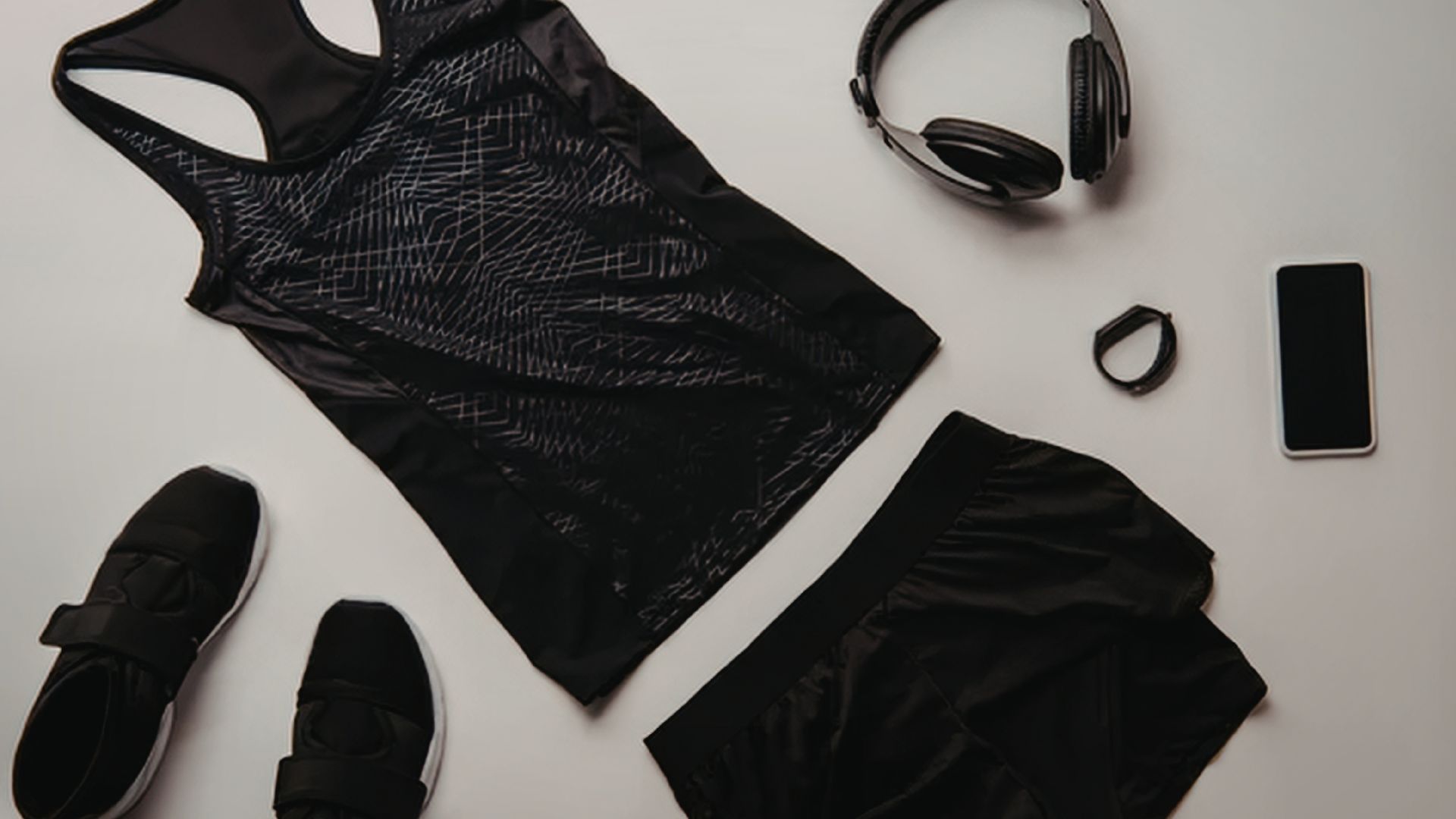
You don’t need much to start running. But the right gear makes a real difference, especially when your body is still adjusting.
Running Shoes
Your shoes are the most important purchase you will make as a beginner. The wrong pair leads to blisters, knee pain, and shin splints fast. Always get your gait checked at a running store before buying. Jog a few steps in the shoe before deciding.
Best running shoes for beginners:
- Brooks Ghost 16: Soft cushioning, neutral support, great for roads and treadmills.
- ASICS Gel-Nimbus 26: Extra cushioning, ideal for flat feet or joint sensitivity.
- Nike Pegasus 41: A reliable all-rounder that fits a wide range of foot types.
- Saucony Ride 17: Budget-friendly and comfortable. A solid first shoe for most beginners.
Clothing
Most beginners wear cotton. That’s a mistake. Cotton soaks up sweat, sticks to your skin, and causes chafing fast. Go for moisture-wicking, breathable fabrics instead. Layer up in cold weather and keep it light in the heat.
Good beginner running clothing options:
- Nike Dri-FIT t-shirts: Affordable and great at keeping sweat off your skin.
- Under Armor HeatGear shorts: Lightweight and breathable for warm-weather runs.
- Adidas Own The Run jacket: Light wind-resistant jacket for cold morning runs.
- Balega Hidden Comfort socks: Reduce blisters and keep feet dry throughout your run.
Optional Accessories
None of these are required on day one. But they make running safer and more enjoyable as you progress.
- Garmin Forerunner 55: Tracks pace, distance, and heart rate. Simple and beginner-friendly.
- Nike Run Club app: Free guided runs for beginners. Available on iOS and Android.
- Proviz Reflect360 vest: Keeps you visible to drivers during early-morning or nighttime runs.
Beginner Running Plan
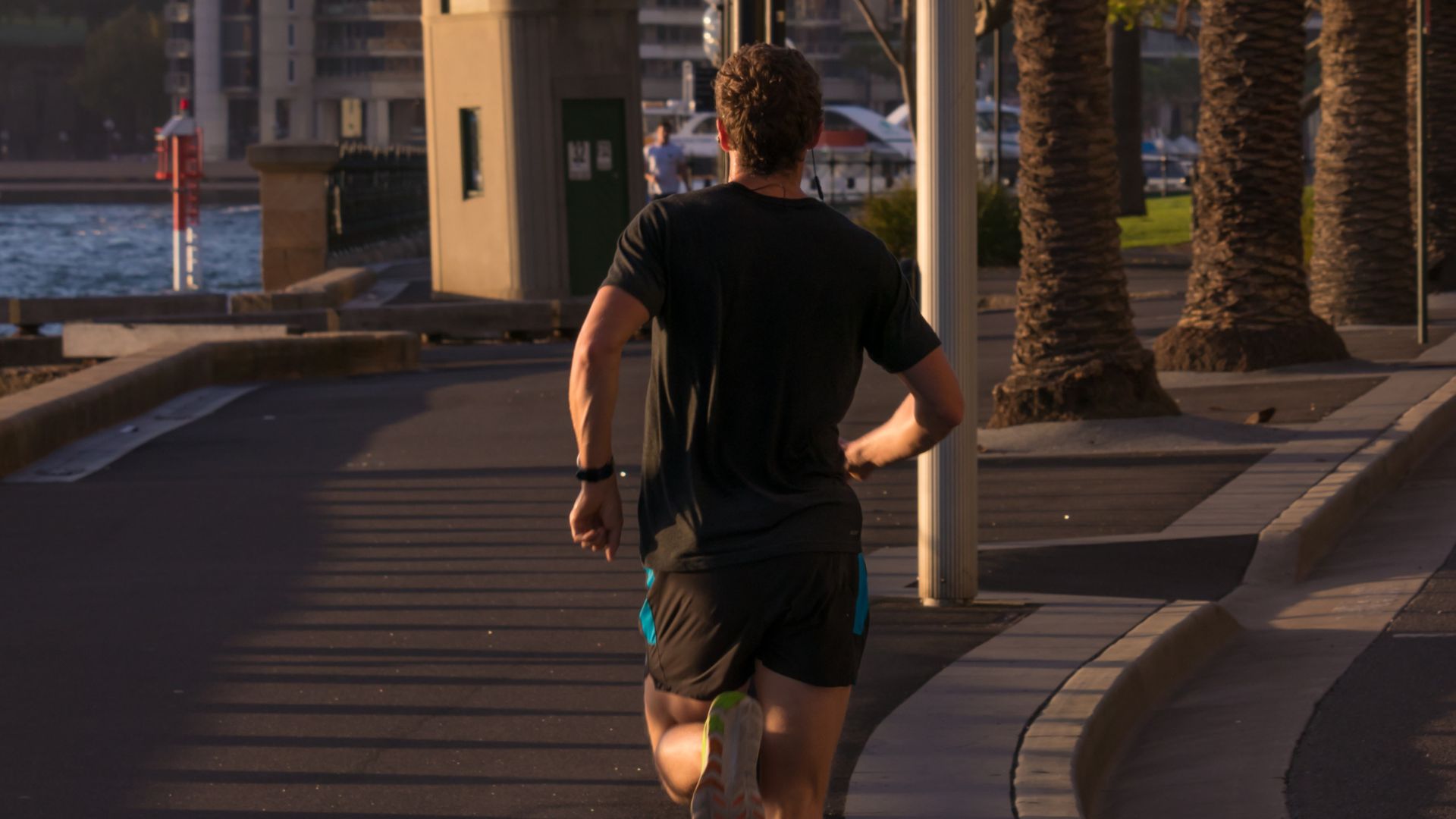
You have your shoes. You have your gear. Now it’s time to actually run. Here is a simple plan that gets you moving without burning you out.
Warm-Up Routine
Never skip your warm-up. Cold muscles take longer to recover and hurt more. Spend 3 to 5 minutes on these before every run:
- Brisk walking or light jogging: Gradually raises your heart rate.
- Leg swings: Stand on one leg, swing the other forward and back. Do 10 reps on each side.
- Arm circles: Extend both arms and make slow circles. Loosens your shoulders.
- Hip openers: Step into a lunge and rotate your torso toward the front leg. Do 5 reps on each side.
Run/Walk Method
The run/walk method is the safest way to start running as a beginner. You run for a short period, walk to recover, and repeat. This keeps your heart rate within a manageable range and reduces the stress on your joints.
Start with 1 minute of running, then 2 minutes of walking. Repeat this cycle for 20 to 25 minutes. As your fitness improves, gradually increase the running intervals and shorten the walking breaks.
After a few weeks, you will notice the walking breaks feel less necessary. That is your body telling you it is ready for more.
Sample 4-Week Plan
Three sessions per week are enough to build fitness without overloading your body.
| Week | Sessions | Duration | Focus |
|---|---|---|---|
| Week 1 | 3 per week | 15 to 20 min | 1 min run, 2 min walk |
| Week 2 | 3 per week | 20 min | 2 min run, 2 min walk |
| Week 3 | 3 per week | 20 to 25 min | 3 min run, 1 min walk |
| Week 4 | 3 per week | 20 to 25 min | Continuous 15 to 20 min run |
Missing one session is fine. Missing a full week sets you back more than you think.
Progression Tips
Progress takes patience. Don’t rush it.
- Follow the 10% rule: Never increase weekly running time by more than 10% each week.
- Consistency over speed: Three easy runs a week beats one hard run every time.
- Rest when it hurts: Soreness is normal. Sharp pain is not. Take an extra rest day when needed.
Common Beginner Mistakes to Avoid When Starting Running
Most beginners don’t fail because running is hard. They fail because of small, avoidable mistakes that build up over time.
- Running too fast, too soon: This is the most common mistake. Running at a pace where you can’t hold a conversation means you are going too fast. Slow down. Your endurance builds over weeks, not days.
- Increasing mileage too quickly: Adding too much distance too soon overloads your muscles and joints before they are ready. Stick to the 10% rule. Never increase your weekly running time by more than 10% from one week to the next.
- Skipping rest days: Rest is where your body actually gets stronger. Running every day as a beginner leads to fatigue, soreness, and injury. Three runs a week with rest days in between is the right starting point.
- Wearing the wrong footwear: Running in old sneakers or casual shoes puts your feet, knees, and hips at real risk. Get a proper pair of running shoes before your first session. Your joints will thank you later.
- Ignoring pain signals: Feeling tired after a run is normal. Feeling sharp pain in your knees, shins, or feet is not. Pushing through real pain makes injuries worse and keeps you off the road longer.
- Comparing your progress to others: Your first mile is not someone else’s tenth mile. Run your own race. Progress looks different for everyone, and that is completely fine.
Conclusion
Running gets easier. Not because it gets less tiring, but because you get stronger.
You don’t need to be fast. You don’t need to run far. You just need to show up three times a week, trust the process, and let your body catch up at its own pace.
The run/walk method works. Proper shoes matter. Rest days are not optional. And small, consistent goals beat big, dramatic ones every single time.
If this guide helped you, share it with a friend who keeps saying they will start running someday. And when you complete your first full mile, come back and read this again. You will be surprised how far you have come.