You feel drained. Emotionally flat. Stuck in the same patterns, no matter what you try. Most of us blame stress or sleep. But sometimes the issue runs deeper than that.
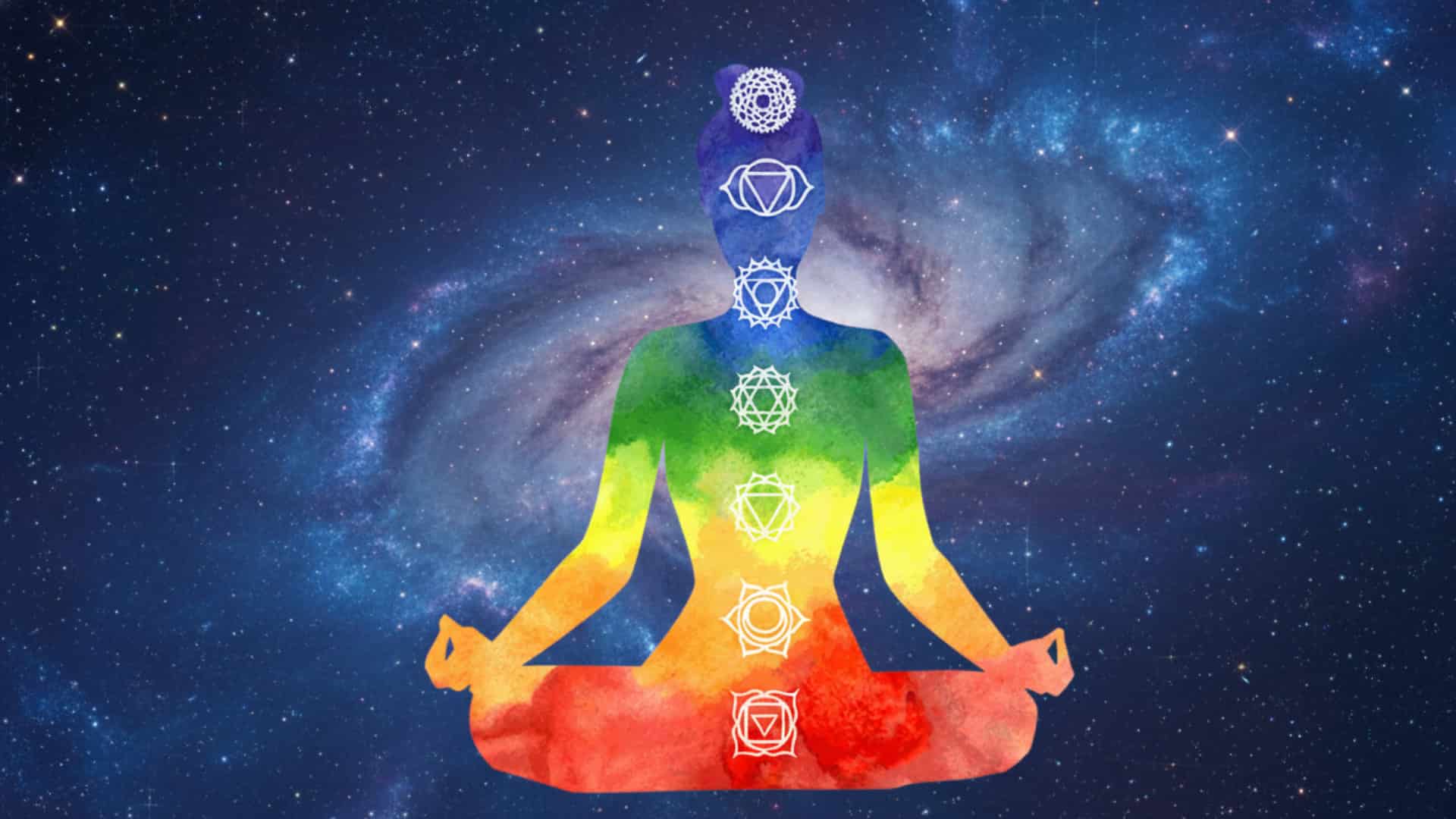
Chakras are energy centers in your body. Each one connects to your emotions, physical health, and mental state. When one is blocked, you feel it. When all of them flow, your body and mind work better together.
Learning how to open chakras does not require years of practice. Simple daily habits can make a real shift.
Here, you will find what chakras are, how blockages show up, 7 methods to clear them, and step-by-step guidance for all.
What Does It Mean to Open a Chakra?
Opening a chakra means removing what is stopping energy from moving through it; think of it like clearing a blocked pipe so water flows freely again.
Each of the 7 chakras sits along your spine and connects to specific emotions, organs, and areas of life. When a chakra is open, energy moves through it without resistance.
When it is blocked, you may feel tension, emotional heaviness, or physical discomfort in that area. Opening a chakra does not force anything; it simply restores what was already meant to flow naturally.
How to Open Chakras: 7 Proven Methods
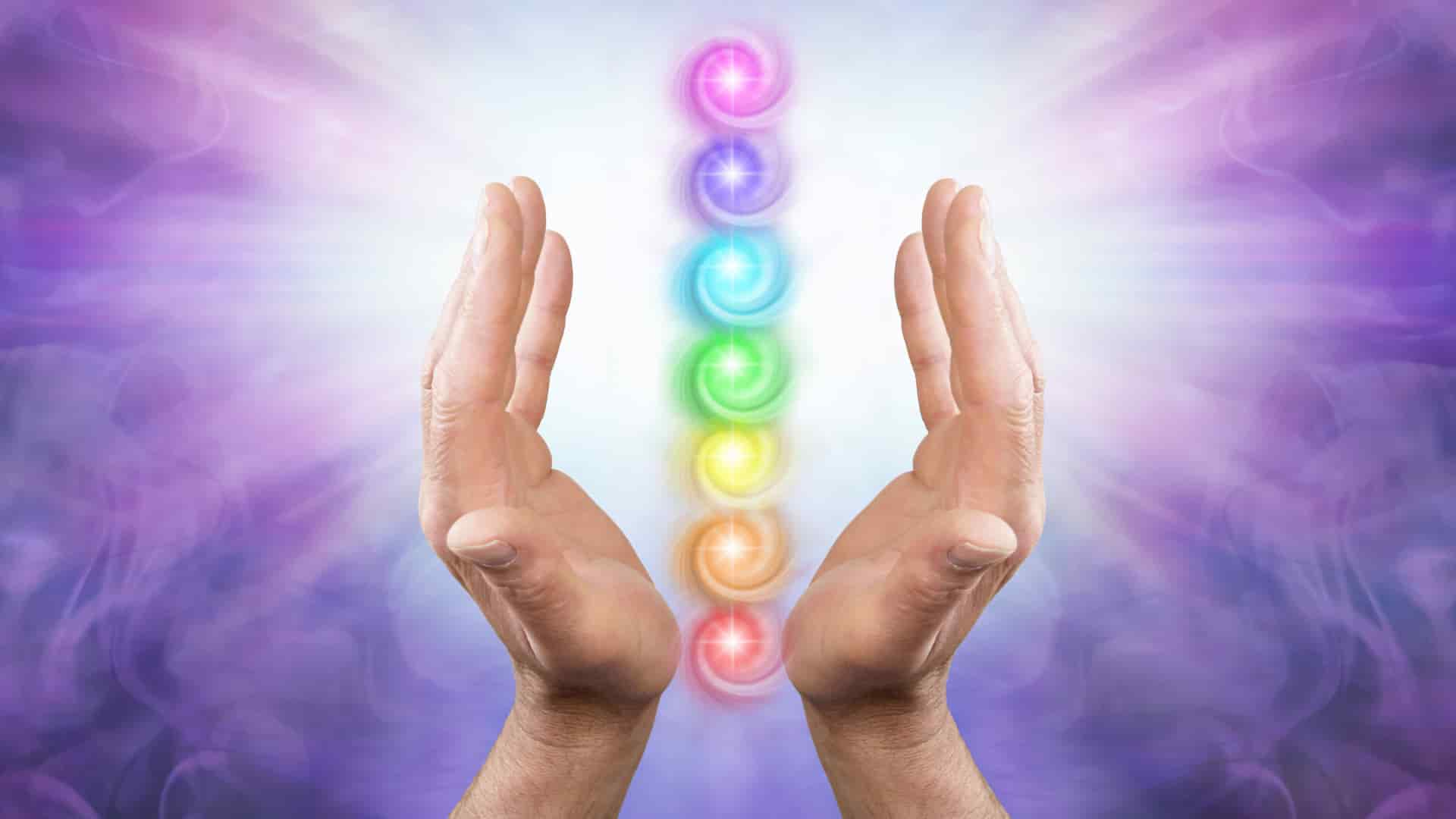
Most people get better results by combining two or three practices rather than relying on just one. Start with what feels most natural and build from there.
1. Breathing Exercises (Pranayama)
Controlled breathing is one of the most direct ways to shift energy in your body. Techniques like diaphragmatic breathing or alternate nostril breathing calm your nervous system and help energy move through areas that feel stuck or tight.
2. Meditation and Visualization
Sitting quietly and focusing your attention on a specific chakra point can activate and clear it over time. Visualize a ball of colored light at that location, spinning freely and growing brighter. Even 10 minutes a day, done consistently, builds real results.
3. Yoga Poses
Yoga stretches and stimulates the body areas associated with each chakra. The camel pose opens the chest and heart chakra. Mountain Pose strengthens your connection to the ground and supports the root. Your physical body and energy body are not separate, they influence each other directly.
4. Sound Healing and Chanting
Every chakra responds to a specific seed mantra, a short sound you repeat during meditation. Chanting LAM for the root chakra or YAM for the heart sends a vibration to that energy center. The sound itself is part of the practice, not just a background element.
5. Crystal Healing
Placing a crystal on the body area linked to a specific chakra adds a passive layer of support to your practice. Rose quartz is commonly used for the heart chakra. Amethyst works well for the third eye. Crystals work best alongside active practices like breathwork or meditation.
6. Affirmations
Each chakra connects to a set of core beliefs. Repeating short, focused statements, like “I am safe” for the root or “I speak my truth” for the throat, helps shift the thought patterns that keep energy blocked. Say them out loud, write them down, or repeat them silently during meditation.
7. Diet and Lifestyle
What you eat, how you sleep, and how much time you spend in nature all affect your body’s energy. Root vegetables support the root chakra. Leafy greens support the heart. Sunlight, rest, and movement are not extras; they are part of how your energy system stays clear and functioning.
How to Open Each of the 7 Chakras: Step-by-Step
Each chakra responds differently. Knowing which one needs attention and which practice suits it best gets you to results faster than applying the same method to all seven.
1. Root Chakra (Muladhara)
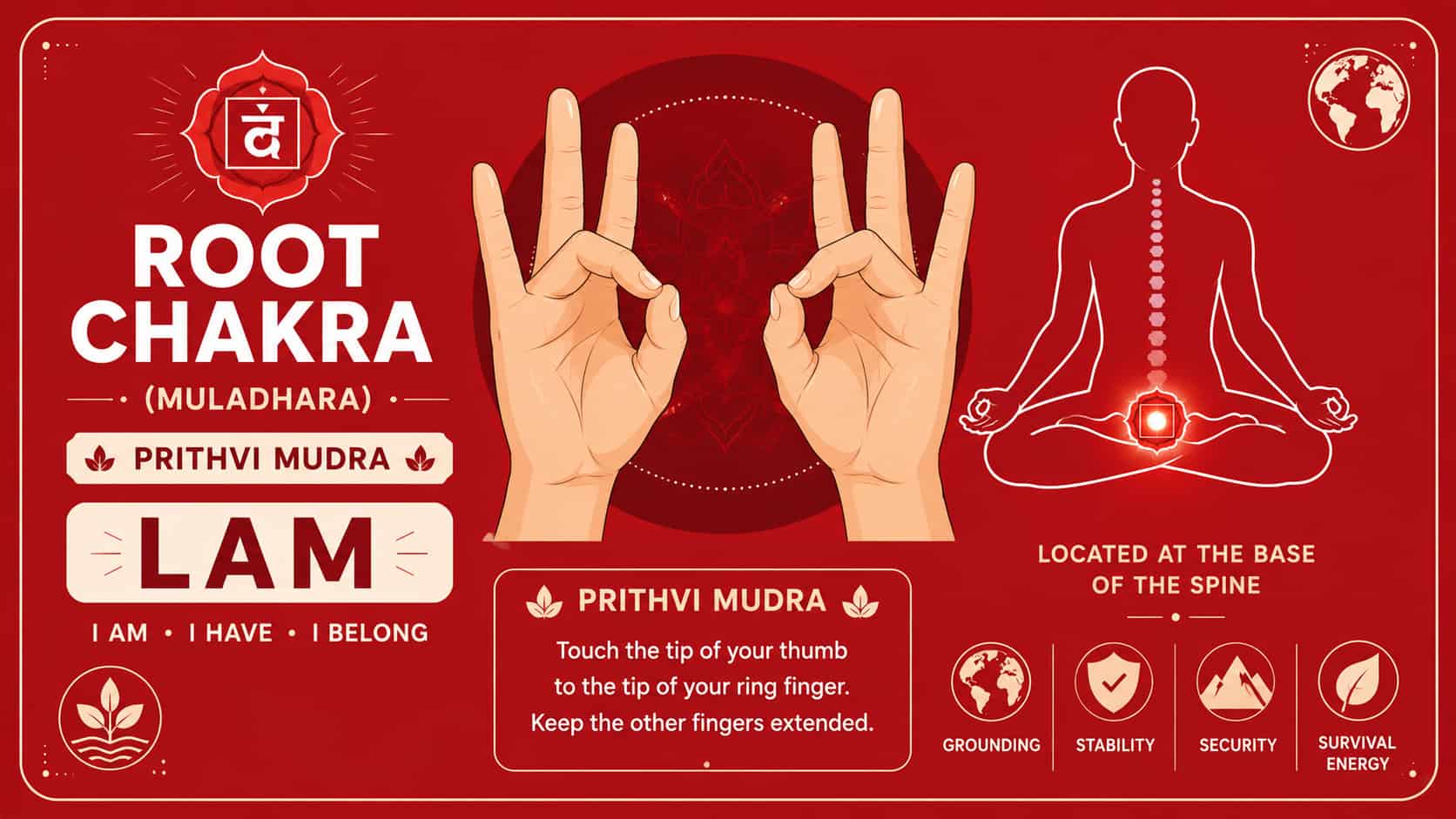
The root chakra sits at the base of your spine and governs your sense of safety, physical stability, and belonging. When it is blocked, anxiety, fear, financial stress, and a constant feeling of being unsettled are common signs to watch for.
- Walk barefoot on grass, soil, or sand for at least 10 minutes daily
- Practice Mountain Pose each morning to build a sense of stability
- Chant “LAM” during seated meditation, focusing on the base of your spine
- Eat red root vegetables like beets, carrots, and red potatoes regularly
- Repeat this affirmation daily: “I am safe. I am grounded. I belong here.”
2. Sacral Chakra (Svadhisthana)
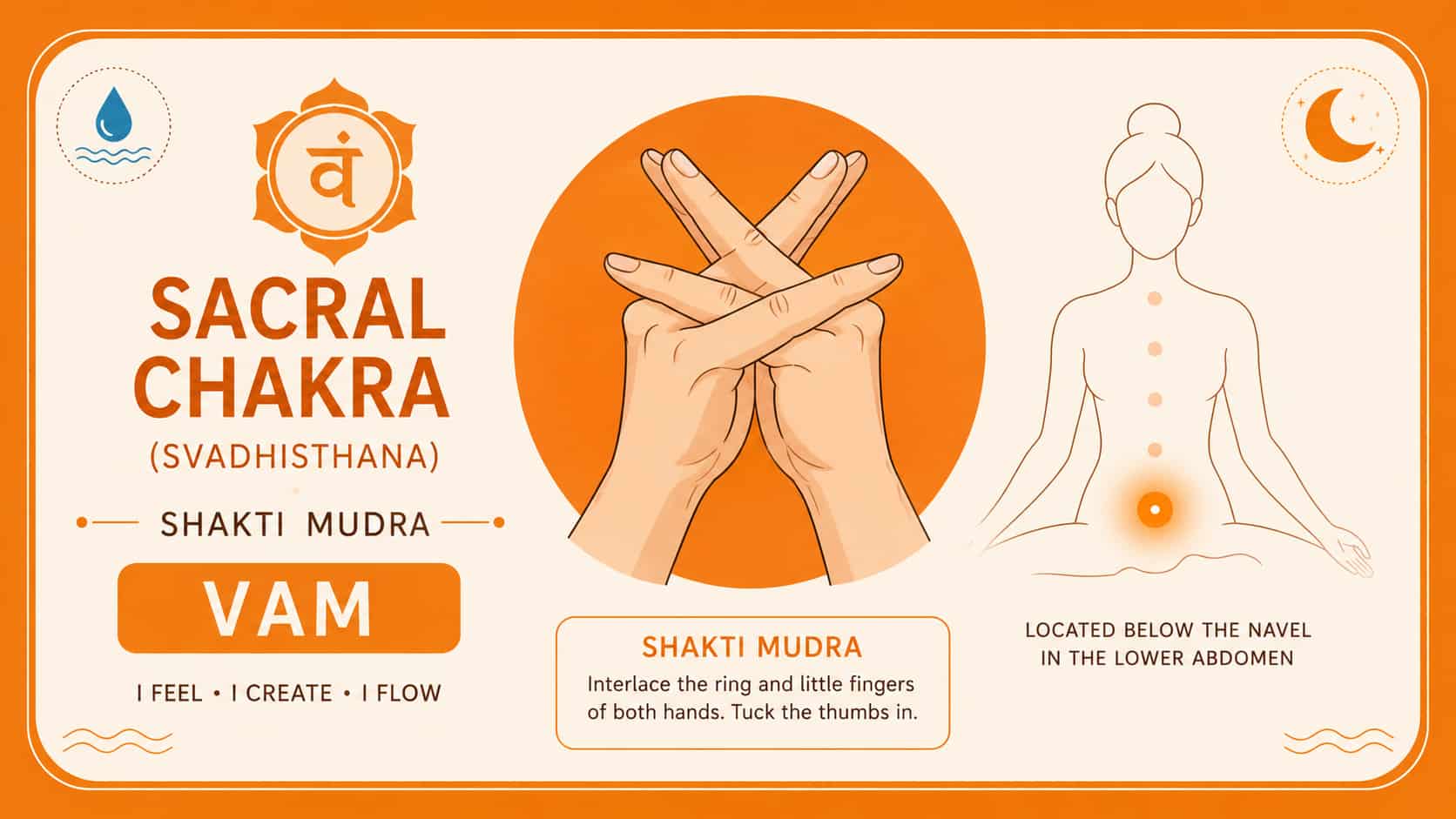
Located about two inches below your navel, the sacral chakra governs creativity, emotional expression, and your capacity for joy. Blockages here often show up as emotional numbness, creative blocks, guilt, or a general sense of disconnection from pleasure and life.
- Practice hip-opening yoga poses like Pigeon Pose or Butterfly Pose
- Spend time near water — a warm bath, a river, or the ocean all work
- Chant “VAM” during meditation while focusing on the area below your navel
- Write freely in a journal each day without editing or filtering yourself
- Do one creative activity daily, drawing, cooking, dancing, or anything that feels expressive
3. Solar Plexus Chakra (Manipura)
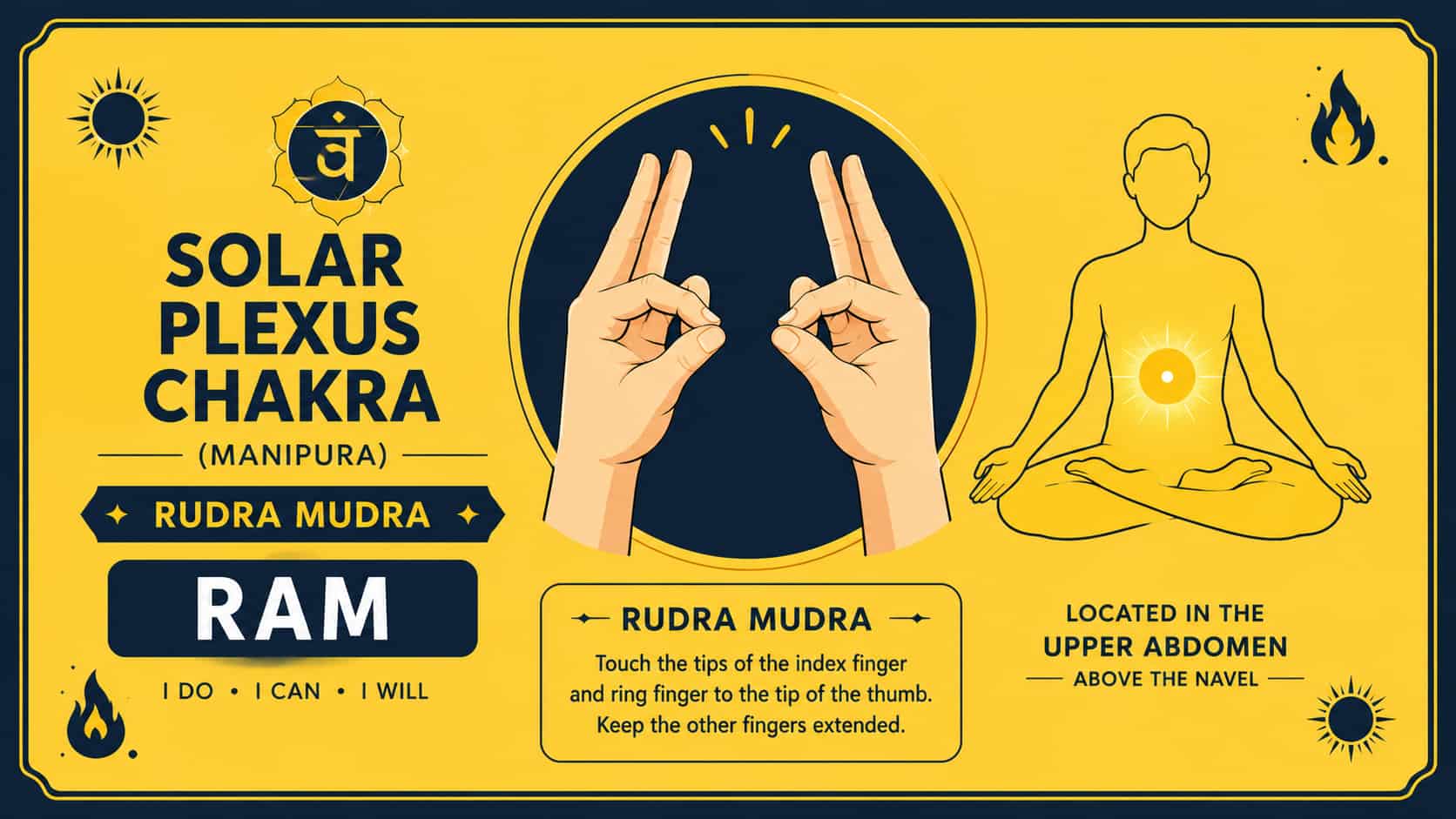
This chakra sits in your upper abdomen and drives your confidence, willpower, and sense of personal identity. When blocked, indecision, low self-worth, a need to please others, and poor digestion are among the most common signs to watch for.
- Practice Boat Pose or Warrior I to build physical and mental strength
- Get at least 10 minutes of direct sunlight daily
- Chant “RAM” during meditation while focusing on your stomach area
- Set one small, specific goal each day and complete it without postponing
- Repeat: “I trust myself. I am in control of my choices.”
4. Heart Chakra (Anahata)
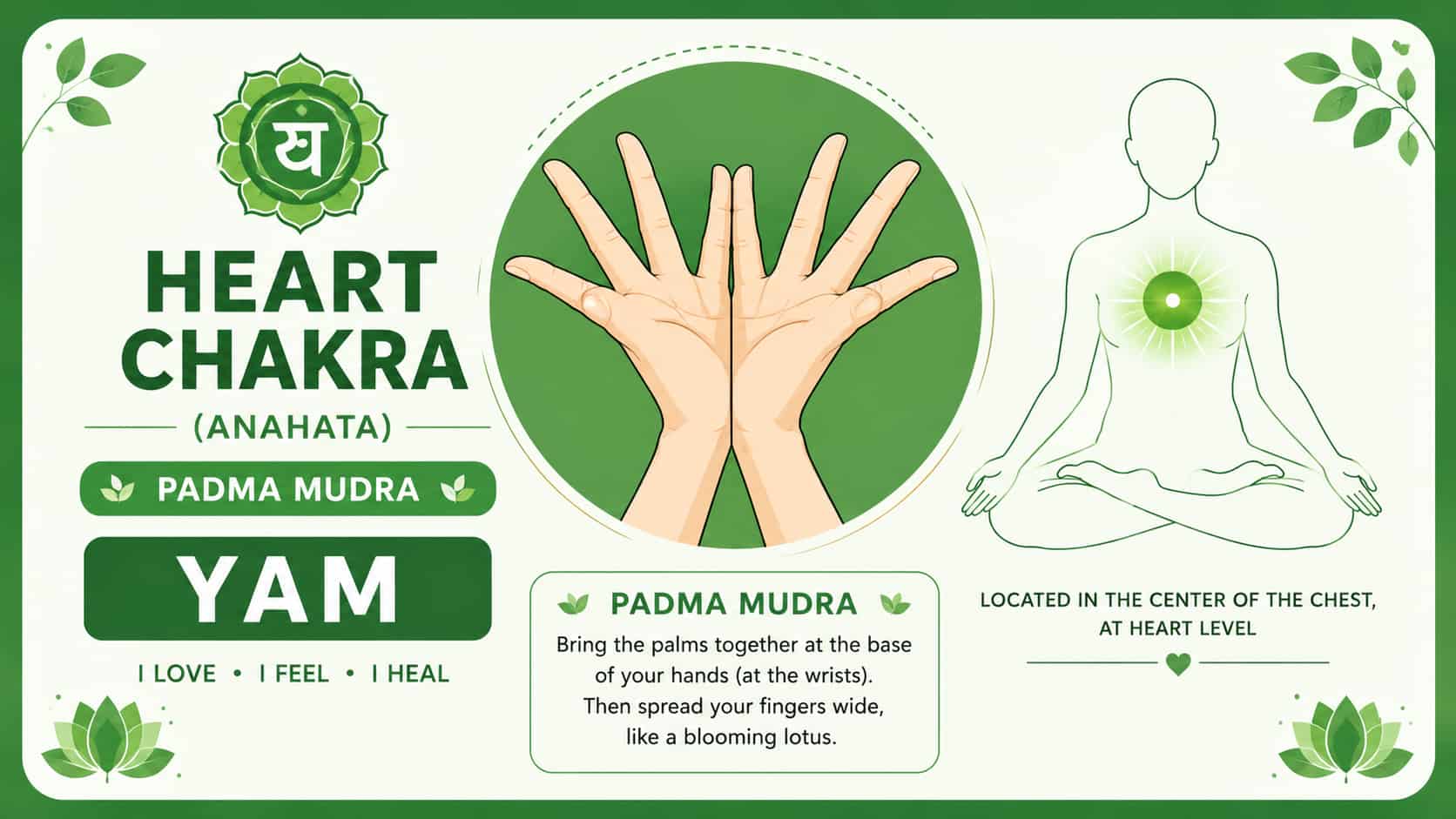
The heart chakra sits at the center of your chest and governs love, compassion, connection, and your ability to forgive. Resentment, fear of closeness, jealousy, and a constant sense of loneliness are signs this chakra needs attention.
- Practice Camel Pose or Cobra Pose to physically open the chest area
- Try a loving-kindness meditation, direct love toward yourself first, then extend it to others
- Chant “YAM” during breathwork while bringing awareness to your chest
- Write a forgiveness letter to someone, or to yourself, without any pressure to send it
- Spend time with people or animals that bring you a feeling of warmth and ease
5. Throat Chakra (Vishuddha)
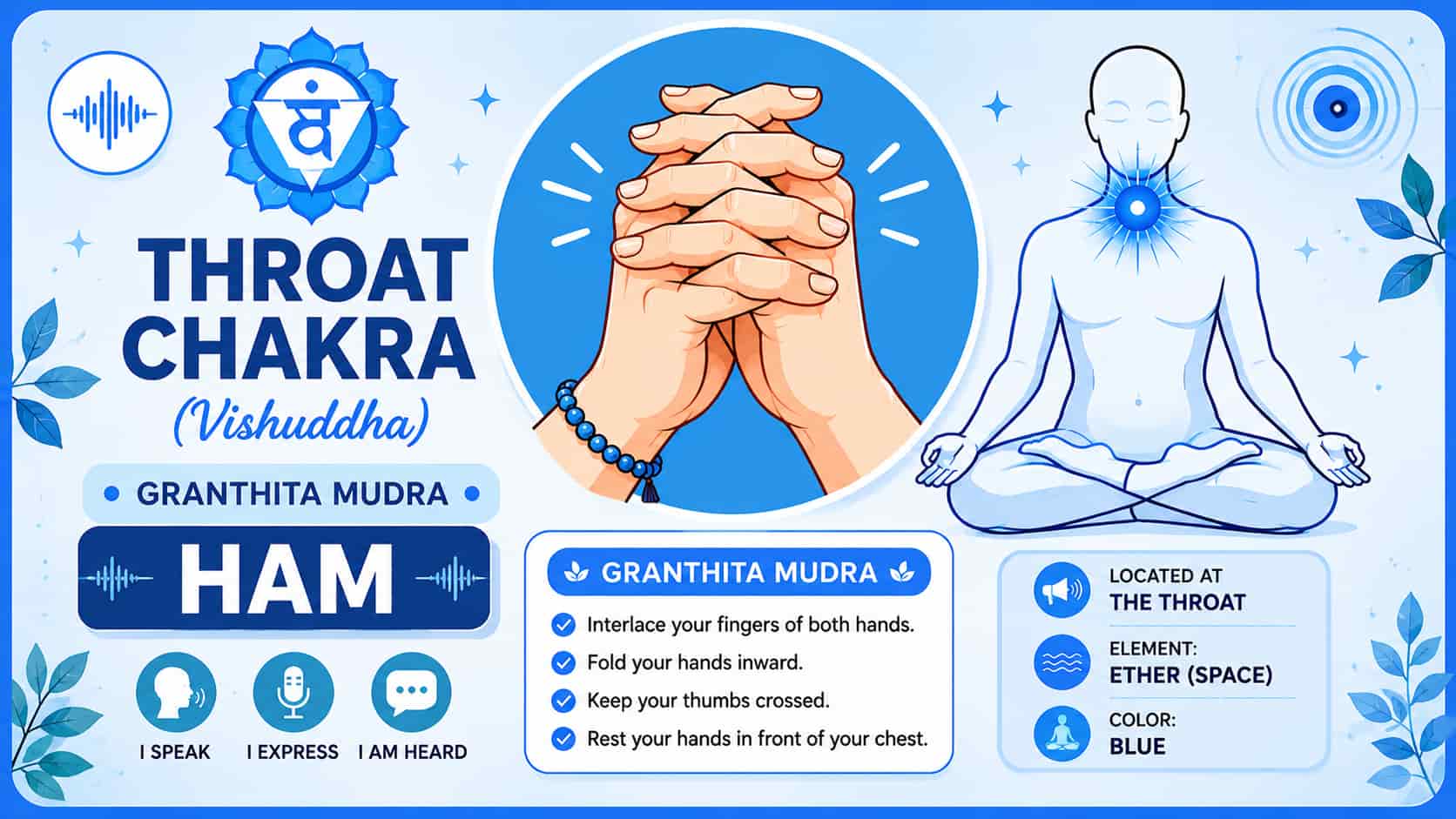
Located at the throat, this chakra governs honest communication, self-expression, and your ability to speak your truth. Holding back your real feelings, saying yes when you mean no, jaw tension, and a chronic sore throat are signs of blockage here.
- Sing or hum daily, volume does not matter, the vibration does
- Practice Fish Pose or Shoulder Stand to stretch and open the throat area
- Chant “HAM” out loud during meditation, feeling the vibration in your throat
- Say one honest thing each day that you would normally keep to yourself
- Drink warm herbal teas like chamomile or ginger to soothe and support the throat area
6. Third Eye Chakra (Ajna)
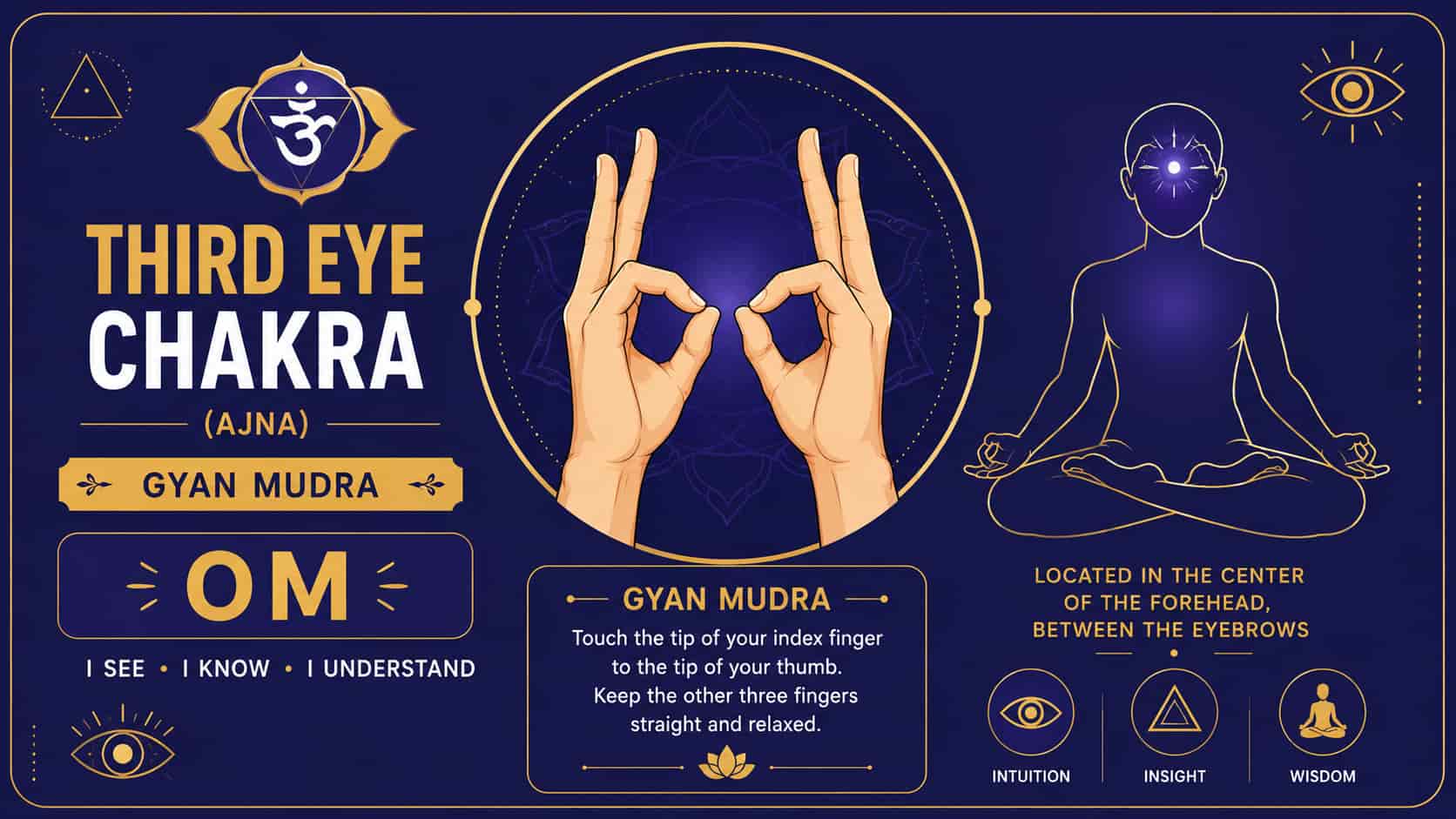
Sitting between your eyebrows, the third eye chakra governs mental clarity, focus, gut instinct, and inner knowing. Brain fog, difficulty making decisions, overthinking, and dismissing your own intuition are clear signs this chakra needs work.
- Practice a 10-minute visualization meditation daily, eyes closed and relaxed
- Keep a dream journal and write in it right after you wake up each morning
- Chant “OM” during meditation while holding your attention between your brows
- Cut screen time in the hour before bed to reduce mental overstimulation
- Eat dark fruits like blueberries, grapes, and figs, and include walnuts in your diet
7. Crown Chakra (Sahasrara)
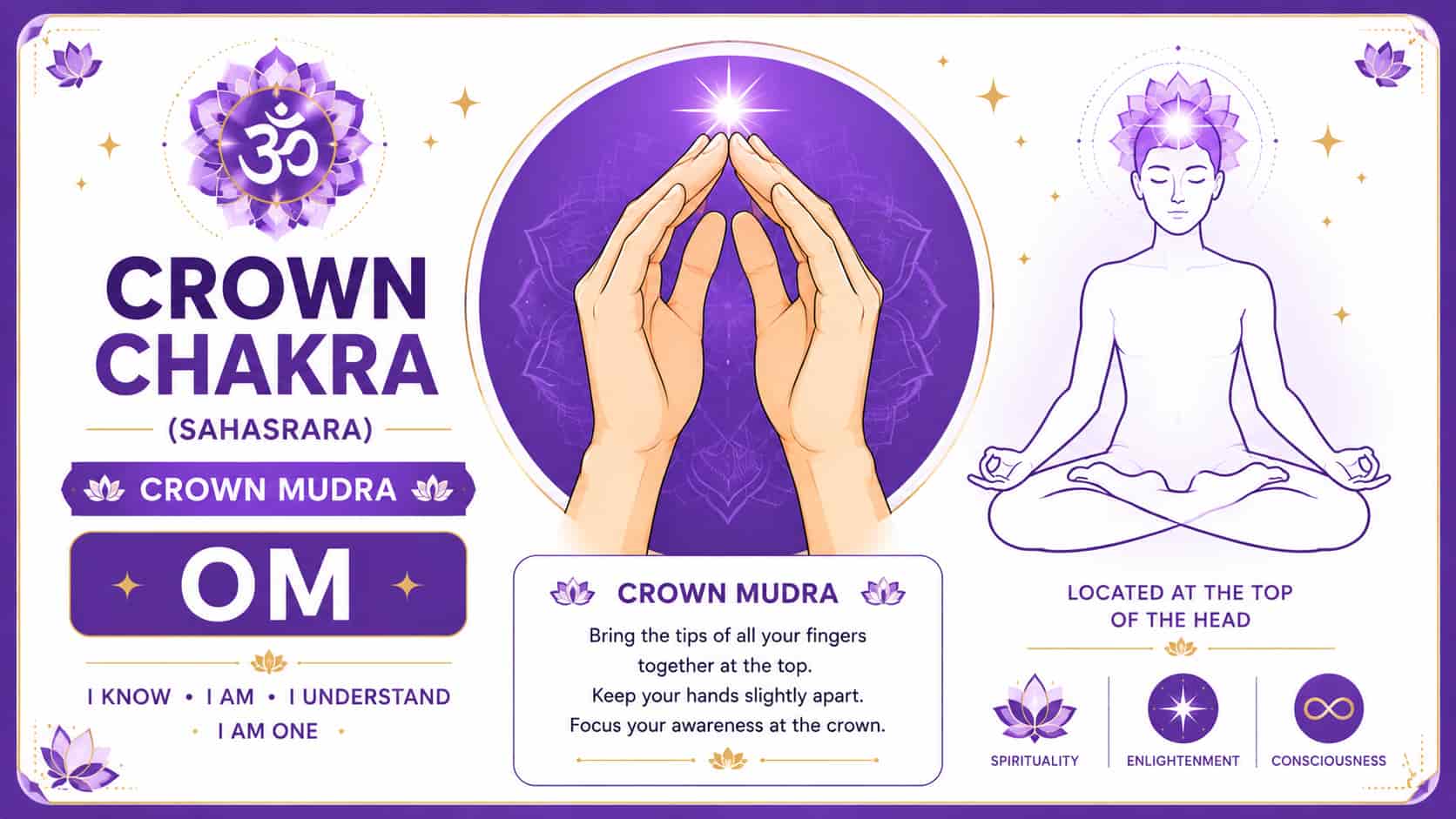
The crown chakra sits at the top of your head and connects you to a larger sense of purpose, meaning, and spiritual awareness. Feeling empty, disconnected from life, rigidly closed to new ideas, or deeply cynical are signs that this chakra is blocked.
- Sit in silent meditation for 10 to 20 minutes with no goal other than stillness
- Spend time outdoors under an open sky, away from noise and screens
- Practice Savasana at the close of every yoga session to allow full integration
- Stay genuinely open to learning, read widely, ask questions, and release fixed thinking
- Repeat: “I am open. I am connected. I trust life.”
Important: Always start with the root chakra and work upward. The crown opens more naturally once the chakras below it are already clear and flowing.
How Long Does It Take to Open a Chakra?
There is no fixed timeline, and the honest answer depends on several factors working together.
How deep the blockage is, how long it has been there, and how consistently you practice all play a role in how quickly you notice change. Someone with a mild blockage who practices daily may feel a real shift in 1 to 3 weeks. A deeper blockage tied to old emotional patterns or long-term stress may take 1 to 3 months of steady, consistent effort to move.
Active practices like yoga and breathwork tend to produce noticeable changes faster than passive methods, such as crystals used on their own.
The most practical approach is to pick one or two methods, stay with them daily, and track how you feel each week. Progress is not always dramatic; sometimes it is a quiet but steady sense that something has shifted.
Conclusion
Learning how to open chakras is not about perfection or achieving some spiritual ideal. It is about paying closer attention to your own body and giving it what it needs to function well.
Start with one chakra. Pick the one that connects most clearly to something you are feeling right now. Choose one method from this guide and practice it daily for 7 days. That is enough to start.
Your energy system is always working. These practices simply help it work better.
Save this guide for later and come back to it whenever you feel stuck. Bookmark it now so you have it ready when you need it most.