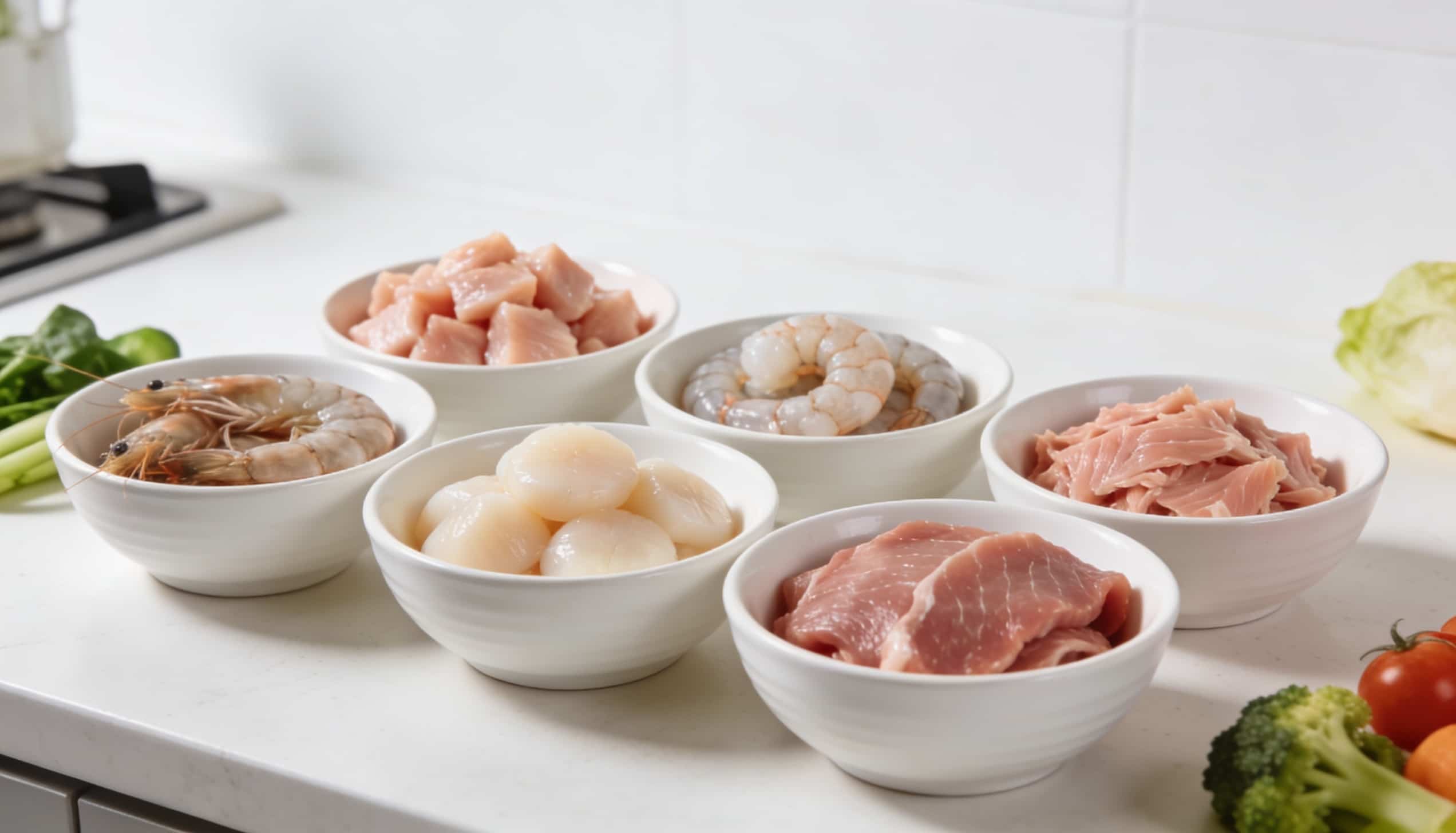
What looks like a lean, healthy cut under the grocery store lights can secretly pack a massive caloric punch, while other options leave your stomach growling an hour later.
As someone who translates dense nutritional research into guidance that actually makes sense for real life, I’ve seen firsthand how easily hidden calorie bombs derail your goals.
If you’re tired of the confusion, this guide is for you. We’re stripping away the nutrition myths to rank the healthiest steak cuts and find out if filet mignon is actually worth the hype.
Let’s eat lean and stay full.
What Makes a Meat “Low Calorie”?
A meat is low in calories when most of its weight comes from water and protein rather than fat.
Fat carries 9 calories per gram, while protein carries only 4. Consequently, cuts with less visible fat and marbling naturally land lower on the calorie scale.
This balance allows you to eat larger, more satisfying portions without overloading your daily energy budget. It makes weight management much easier because you can stay full while hitting your protein goals.
As a general benchmark for grocery shopping and meal tracking, any meat with fewer than 150 calories per 100 grams (raw weight) is officially considered a lean, low-calorie option.
Note: This is for informational purposes only. For medical advice or diagnosis, consult a professional.
16 Best Low-Calorie Meats
Not all lean proteins are equal. Some are better for muscle building, some for heart health, and some just happen to fit perfectly into a calorie-conscious week. Here are low-calorie meats worth adding to your plate, each with the details you actually need.
1. Chicken Breast
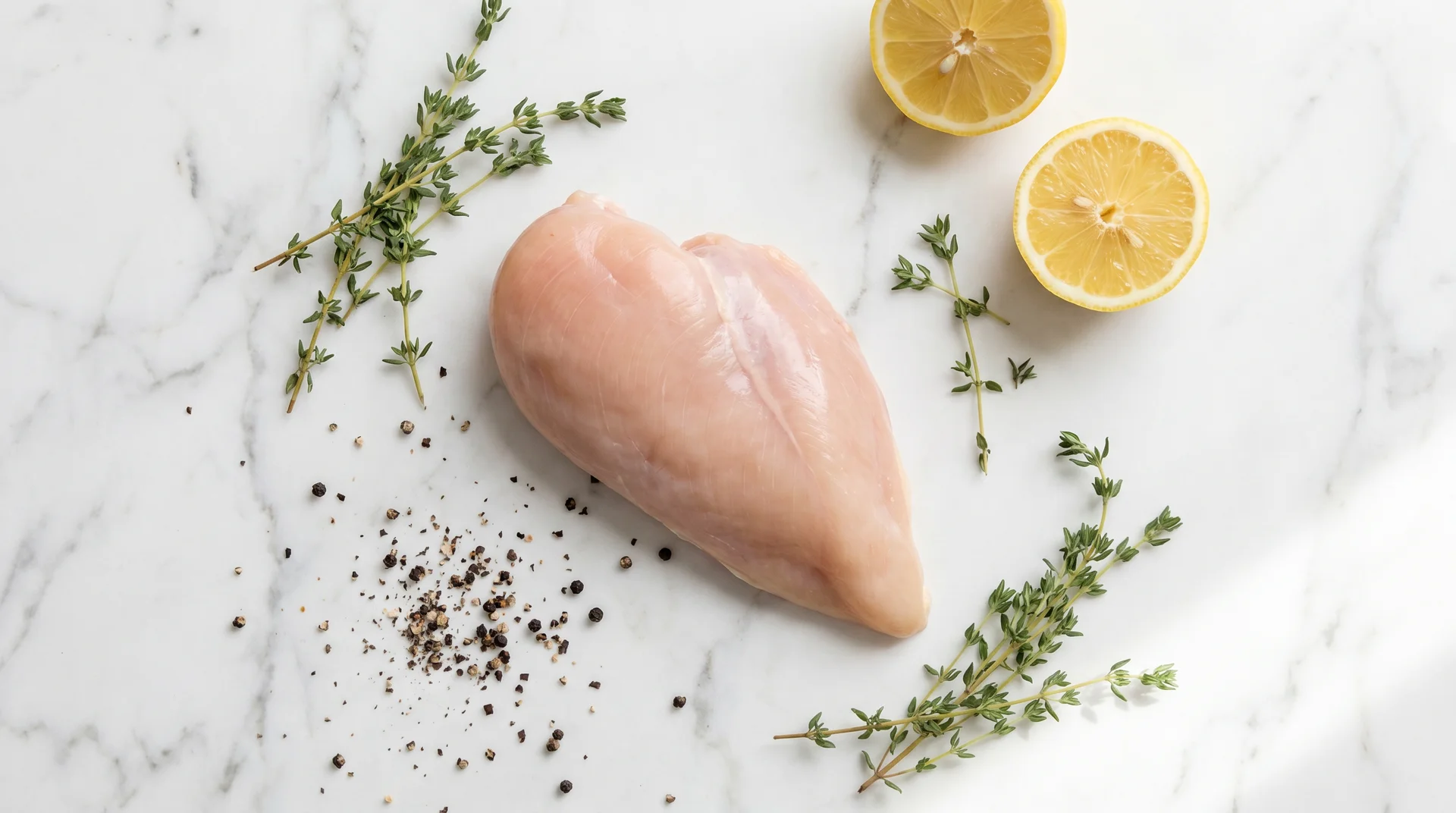
Chicken breast is the most popular low-calorie meat for a reason. It is high in protein, low in fat, and works in almost any meal from salads to stir-fries. Remove the skin before cooking to keep the calorie count honest.
| Nutrient | Per 100g (raw, skinless) |
|---|---|
| Calories | 110 kcal |
| Protein | 23g |
| Fat | 1.2g |
| Saturated Fat | 0.3g |
2. Turkey Breast
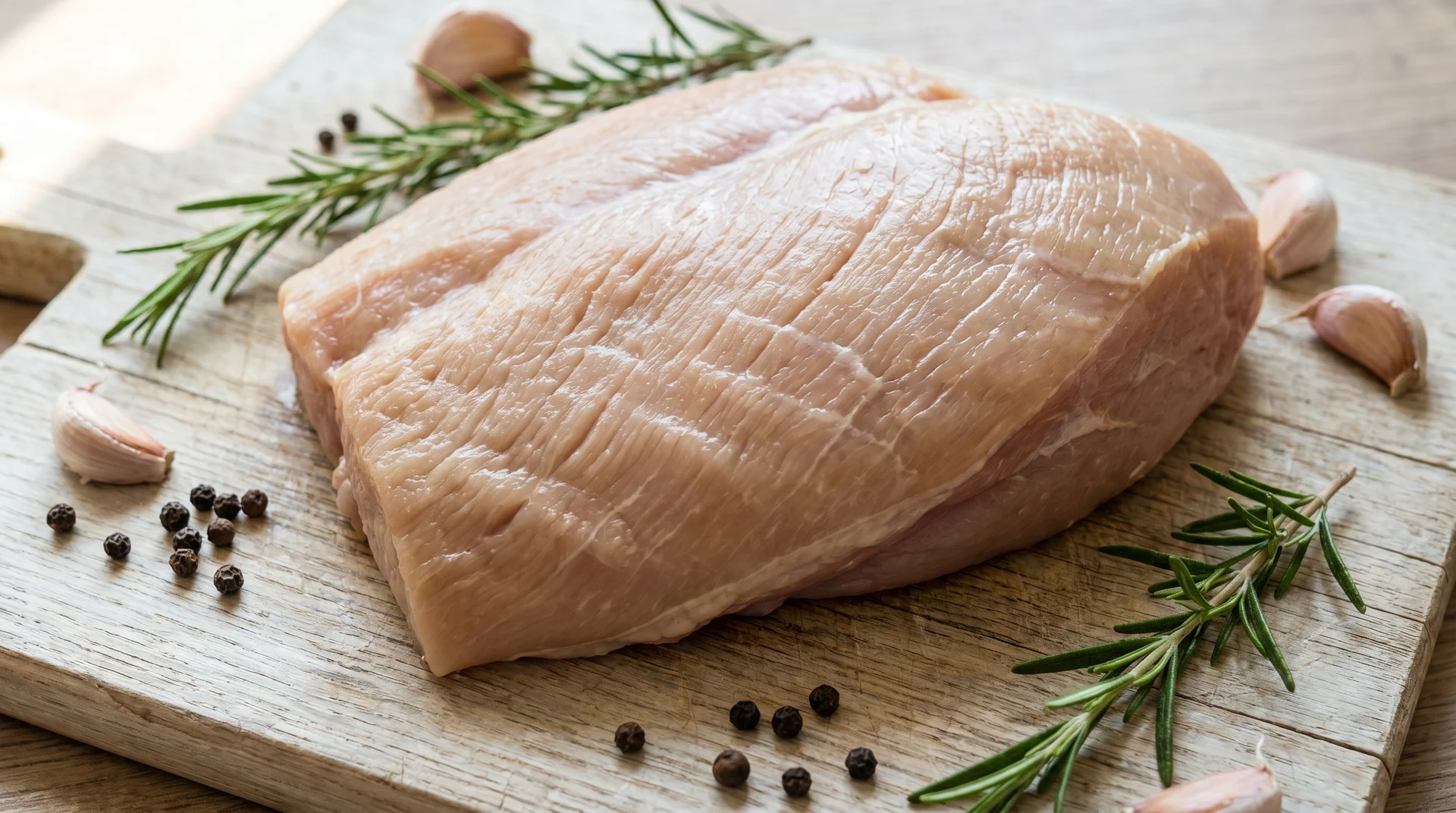
Turkey breast edges out chicken breast in the calorie department by a small margin. It is slightly lower in fat and works just as well for meal prepping. Buy fresh, over-packaged deli turkey. Deli versions often carry high sodium levels that offset the health benefits.
| Nutrient | Per 100g (raw, skinless) |
|---|---|
| Calories | 104 kcal |
| Protein | 22g |
| Fat | 1.0g |
| Saturated Fat | 0.3g |
3. Bison
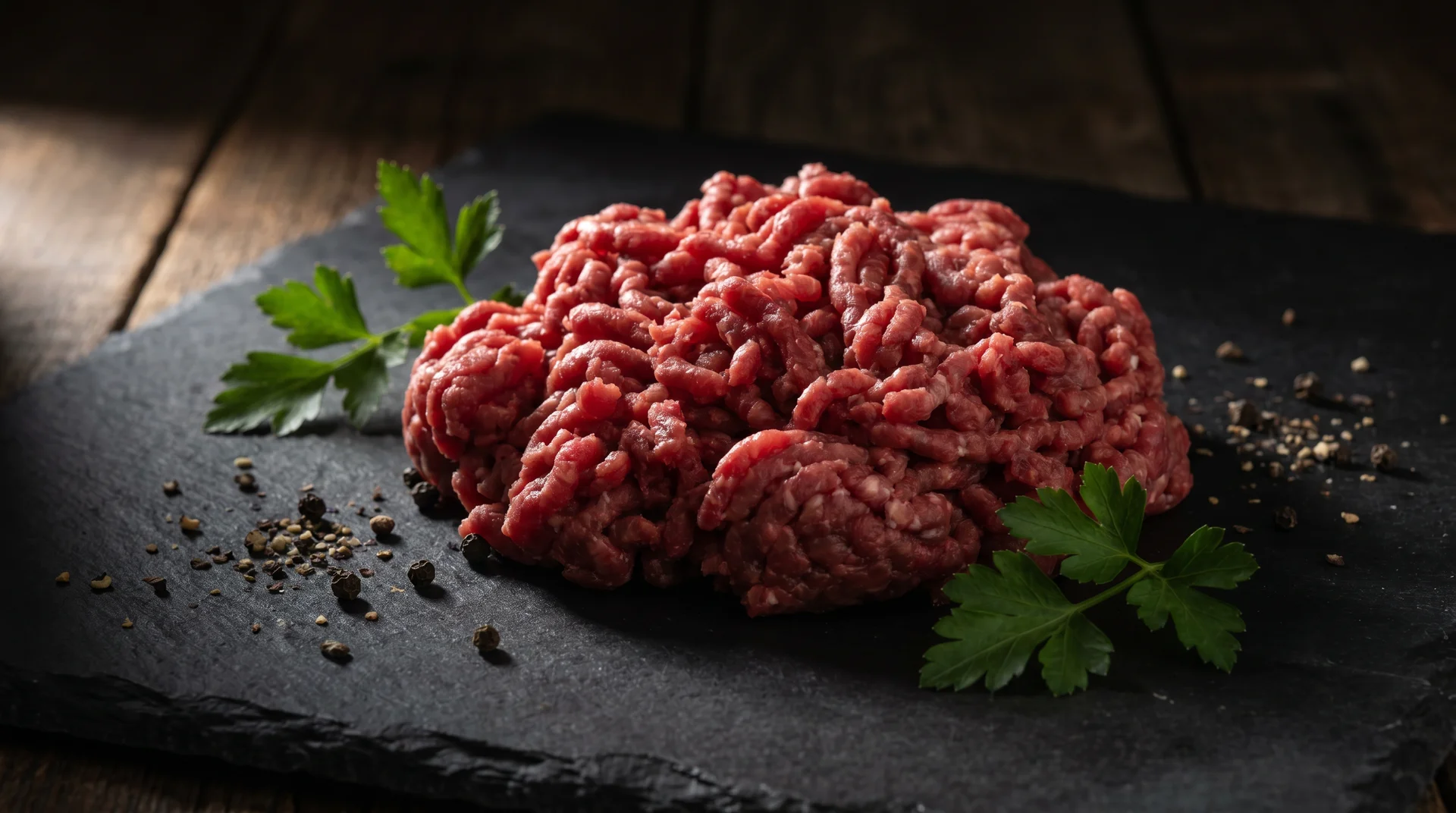
Bison tastes richer than chicken, but sits surprisingly close to it in calories. It is leaner than most ground beef options and higher in iron and omega-3 fatty acids.
A solid swap for anyone who wants red meat without the calorie hit of regular beef. According to the USDA FoodData Central, ground bison contains significantly less total fat than 80/20 ground beef.
| Nutrient | Per 100g (raw, ground) |
|---|---|
| Calories | 109 kcal |
| Protein | 20g |
| Fat | 2.4g |
| Saturated Fat | 0.9g |
4. Venison (Deer Meat)
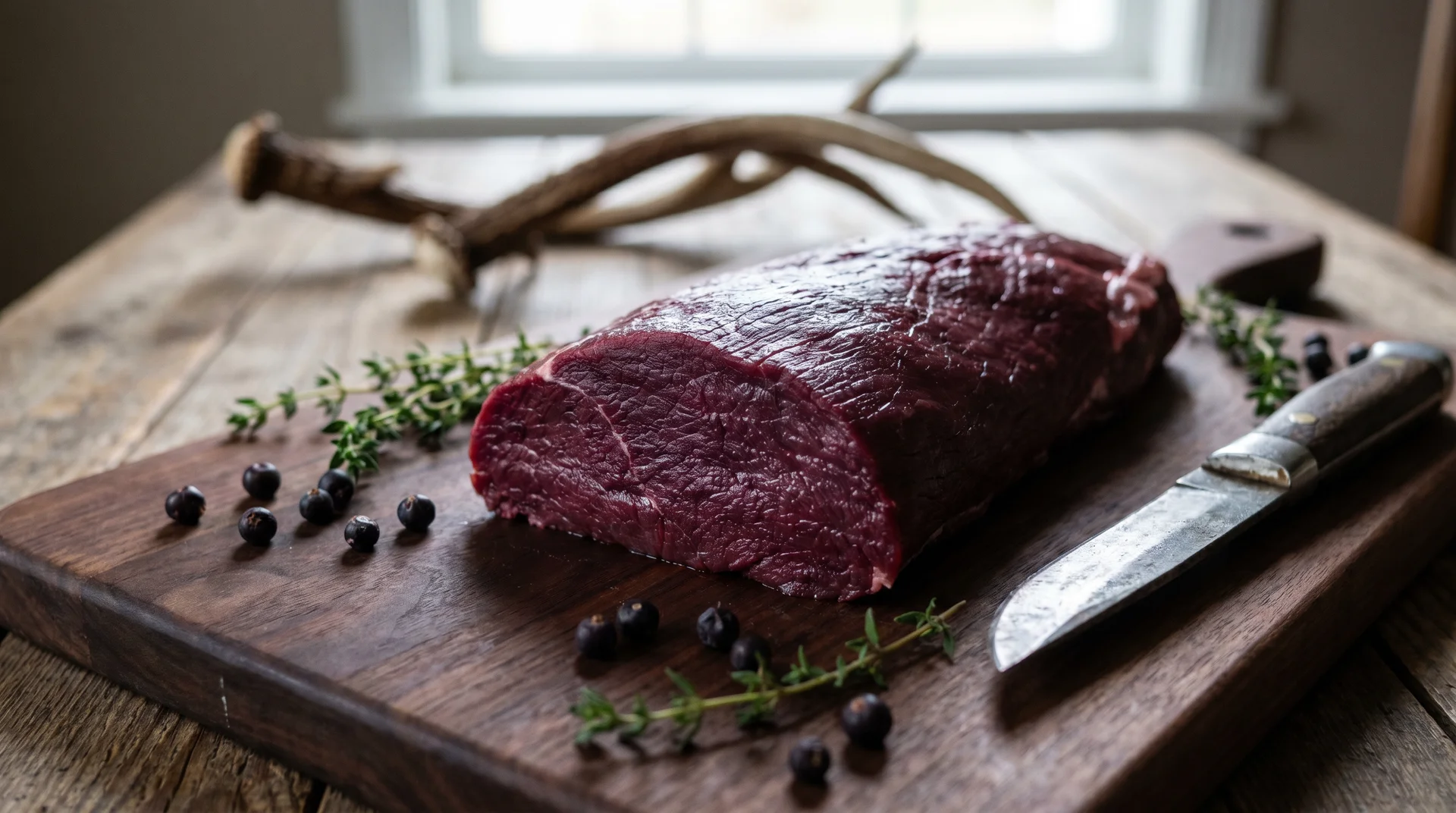
Venison is one of the leanest red meats available. It carries a slightly gamey flavor that works well with bold seasonings. It is high in iron, zinc, and B12. Many people in rural and southern US households eat it regularly, and it is gaining ground in health food circles.
| Nutrient | Per 100g (raw) |
|---|---|
| Calories | 120 kcal |
| Protein | 22g |
| Fat | 2.5g |
| Saturated Fat | 1.0g |
5. Pork Tenderloin
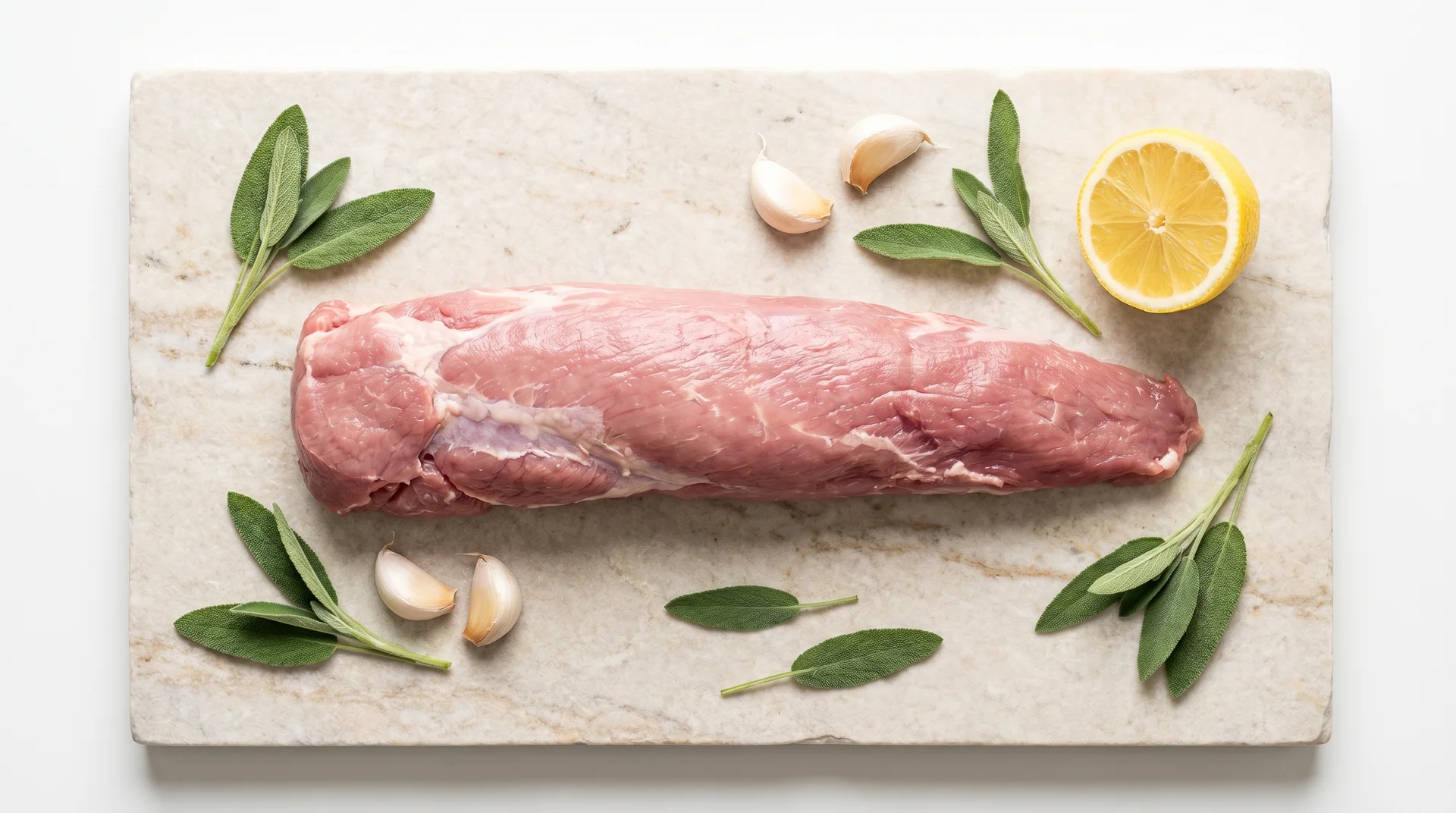
Pork tenderloin is the leanest cut of pork and is often compared directly to chicken breast in terms of fat content. It is soft, easy to cook, and takes marinades well. Avoid confusing it with pork loin chops or pork belly, which are much higher in fat.
| Nutrient | Per 100g (raw) |
|---|---|
| Calories | 109 kcal |
| Protein | 20g |
| Fat | 2.7g |
| Saturated Fat | 1.0g |
6. Rabbit
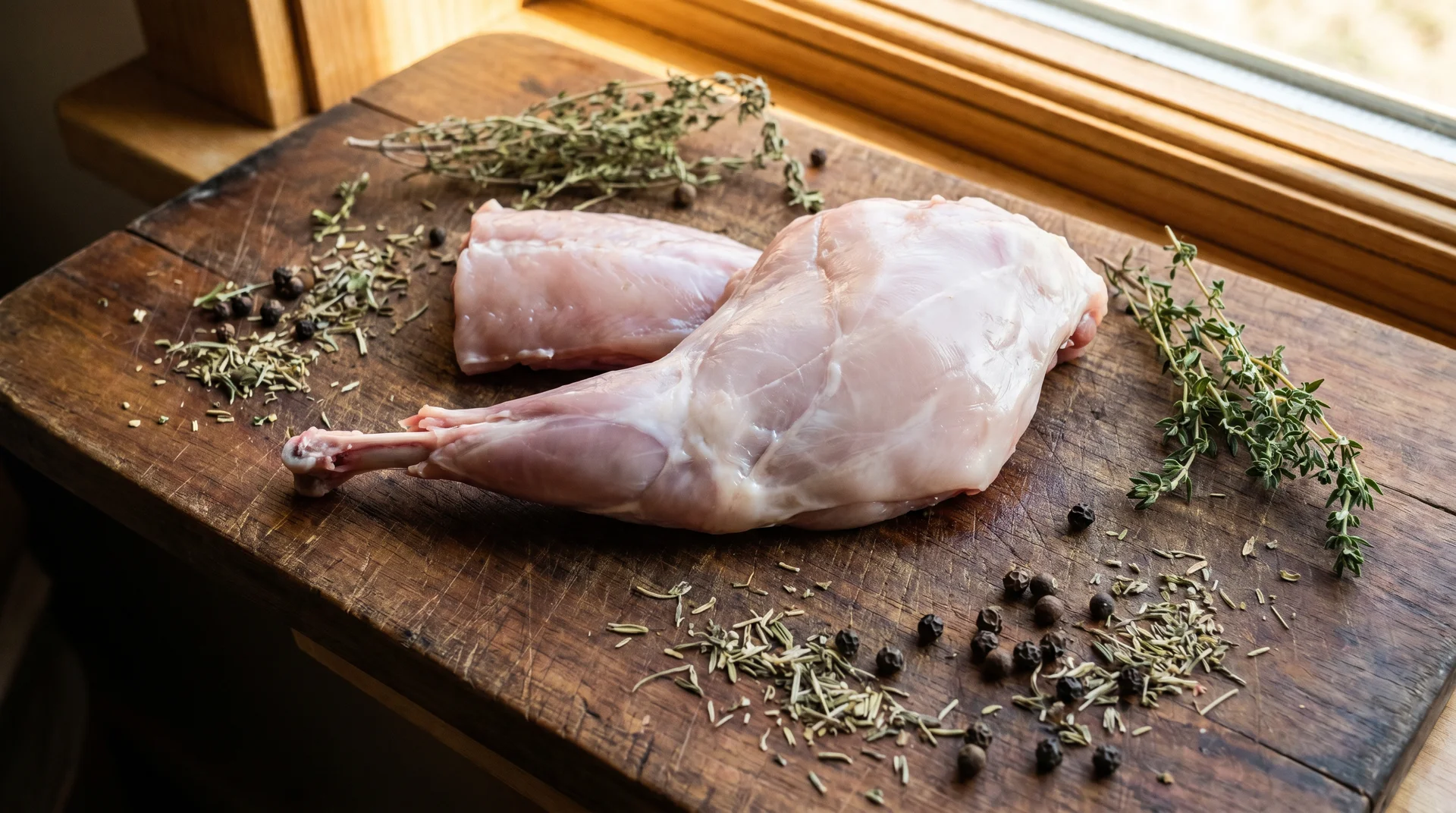
Rabbit meat is rarely talked about, but it is one of the leanest animal proteins you can eat. It has a mild flavor similar to white chicken meat and a calorie profile that rivals turkey. Less common in standard grocery stores, but specialty butchers and farmers’ markets carry it regularly.
| Nutrient | Per 100g (raw) |
|---|---|
| Calories | 114 kcal |
| Protein | 21g |
| Fat | 2.3g |
| Saturated Fat | 0.7g |
7. Filet Mignon
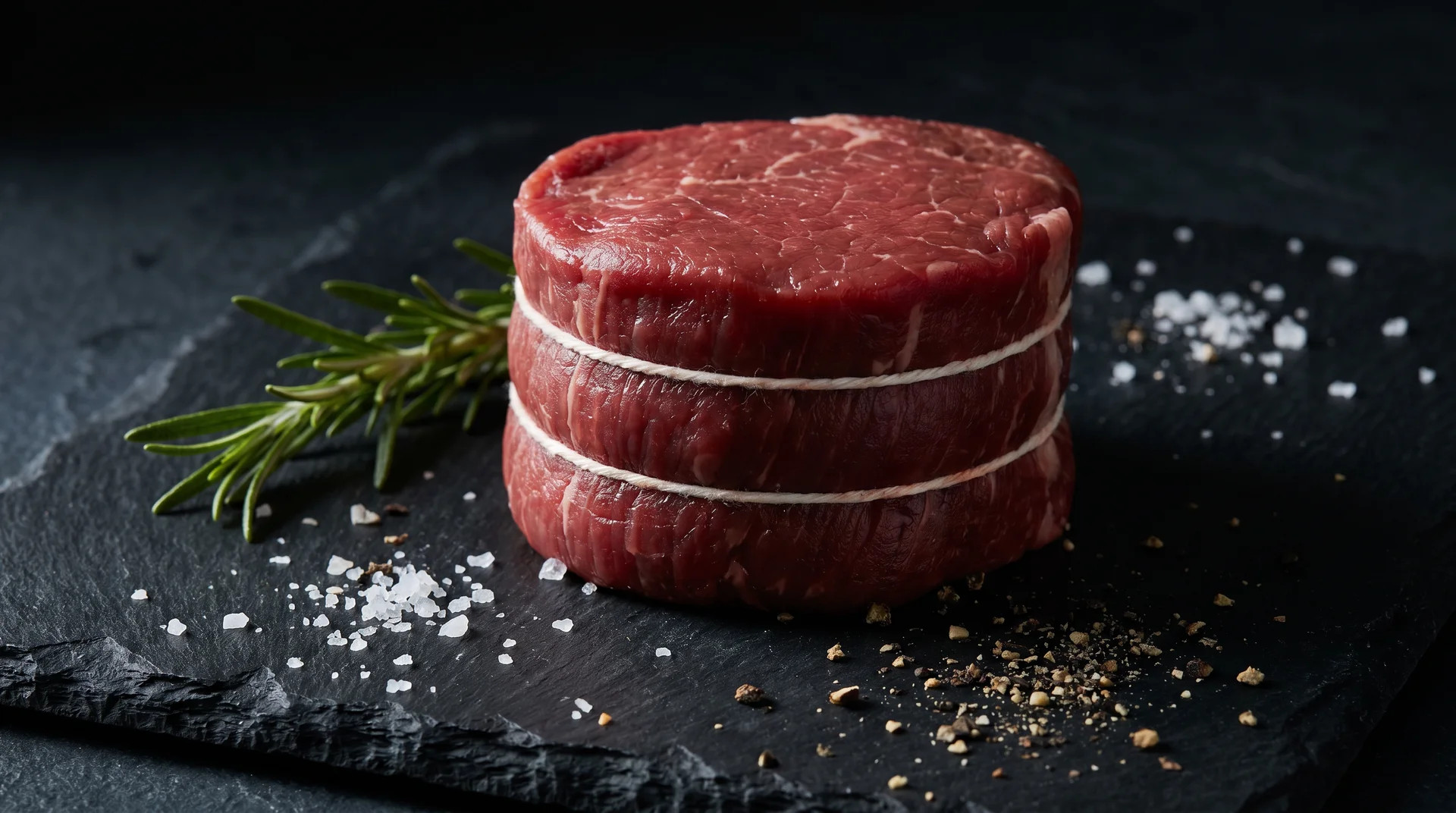
Filet mignon is not the first meat people think of when building a low-calorie diet, but compared to most beef cuts, it earns its spot here. It comes from the tenderloin, a muscle that does very little work, so it has less connective tissue and less fat.
It costs more and carries more calories than white meats, but for someone who wants steak without the fat load of a ribeye, filet mignon is a smarter pick. See the full section below on whether filet mignon is healthy.
| Nutrient | Per 100g (raw) |
|---|---|
| Calories | 185 kcal |
| Protein | 22g |
| Fat | 11g |
| Saturated Fat | 4.2g |
8. Top Round Steak
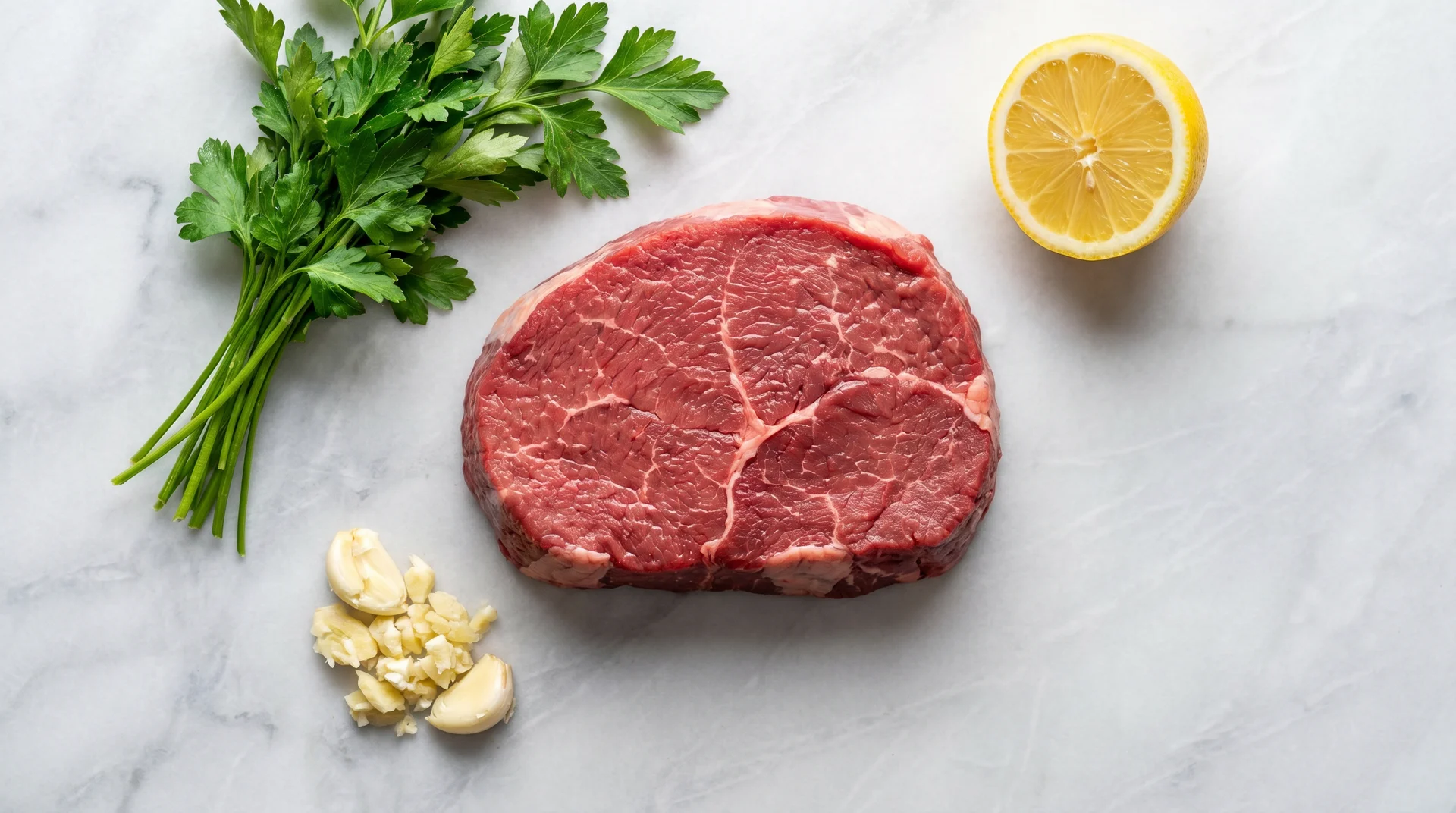
Top round is one of the most affordable cuts of lean beef at the grocery store. It comes from the rear leg of the cow, where the muscle sees a lot of movement, which keeps fat content low. Slice it thin after cooking for the best texture. Tough when overcooked, so aim for medium-rare.
| Nutrient | Per 100g (raw) |
|---|---|
| Calories | 143 kcal |
| Protein | 22g |
| Fat | 4.5g |
| Saturated Fat | 1.5g |
9. Eye of Round
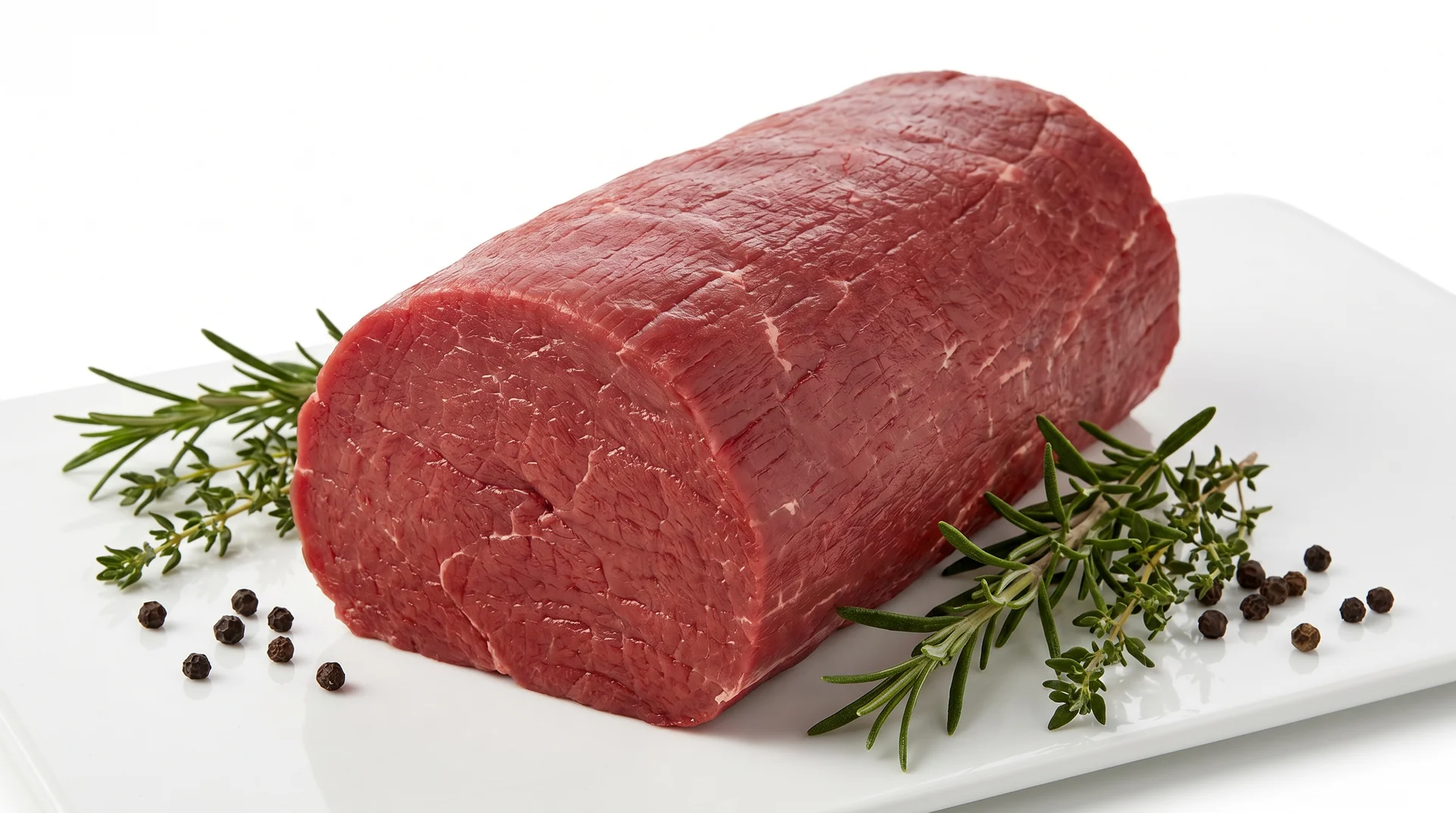
Eye of round is the leanest beef cut on this list. It is a very firm cut that benefits from slow cooking or marinating overnight. The low-fat content means it dries out quickly under direct heat, but when done right, it is a solid weekly protein source at a low-calorie cost.
| Nutrient | Per 100g (raw) |
|---|---|
| Calories | 133 kcal |
| Protein | 22g |
| Fat | 3.4g |
| Saturated Fat | 1.2g |
10. Sirloin
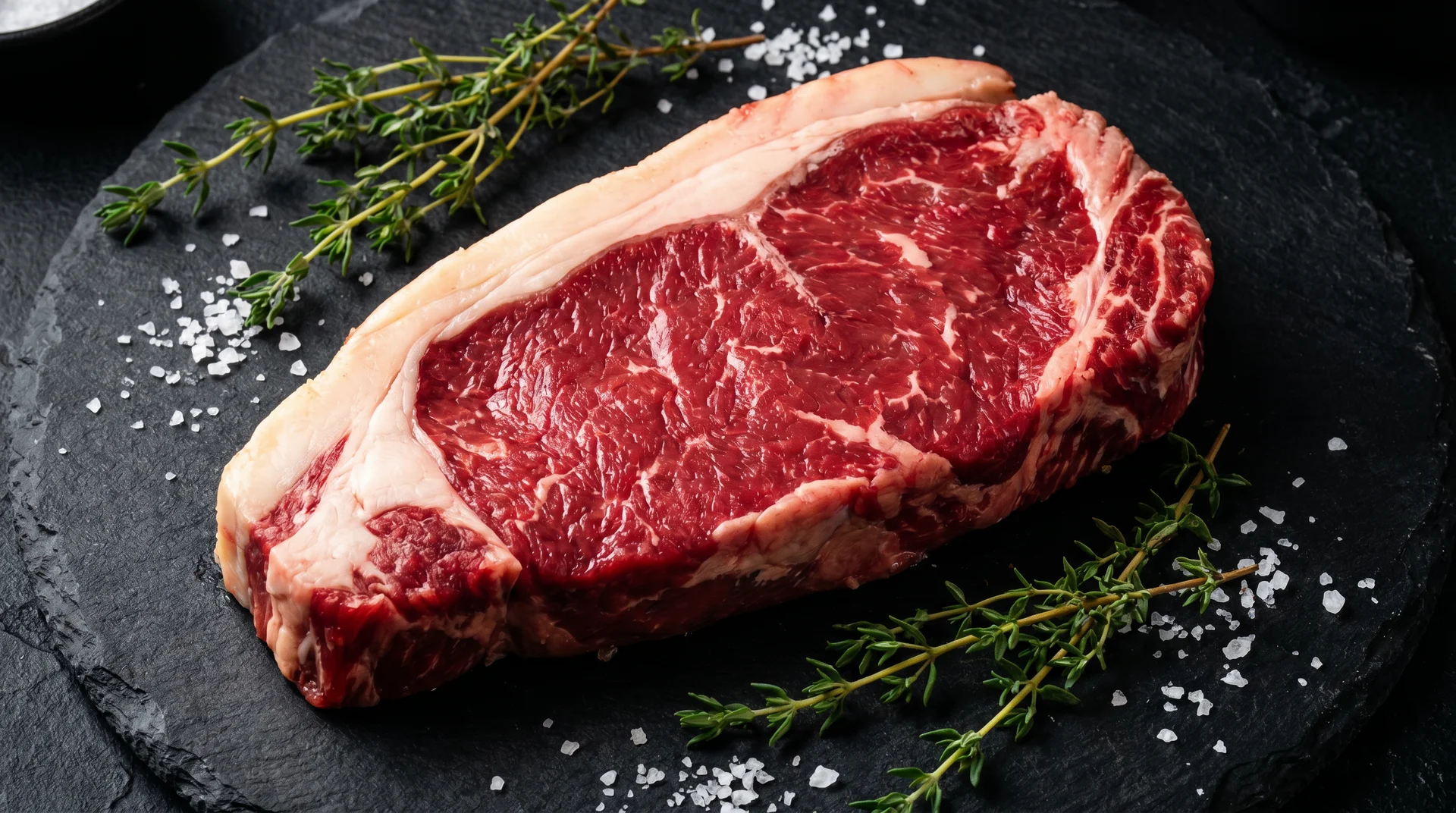
Sirloin offers the best balance of flavor, price, and calorie count among common beef cuts. It has more flavor than eye of round and top round, but fewer calories than ribeye or T-bone. It grills well and needs minimal seasoning. A dependable everyday steak pick for anyone watching calories. This is also one of the top choices among the healthiest steak cuts.
| Nutrient | Per 100g (raw) |
|---|---|
| Calories | 158 kcal |
| Protein | 26g |
| Fat | 5.1g |
| Saturated Fat | 2.0g |
11. Flank Steak
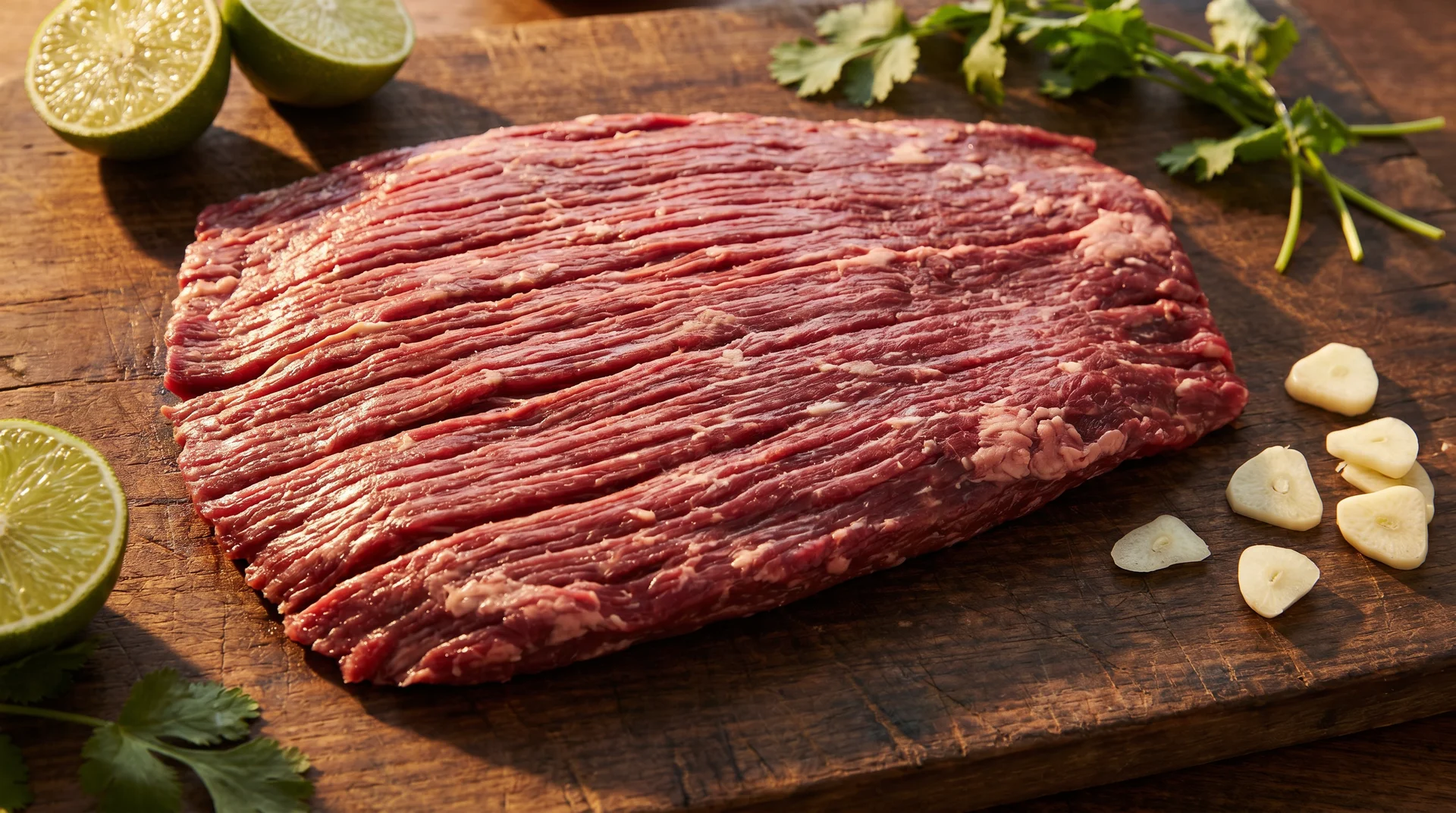
Flank steak is a flat, long cut from the abdominal muscles. It is moderately lean with a strong beefy flavor. The key is slicing against the grain after cooking; it becomes chewy. Works well in fajitas, tacos, and stir-fries, where it gets thinly sliced anyway.
| Nutrient | Per 100g (raw) |
|---|---|
| Calories | 162 kcal |
| Protein | 24g |
| Fat | 6.3g |
| Saturated Fat | 2.7g |
12. Cod
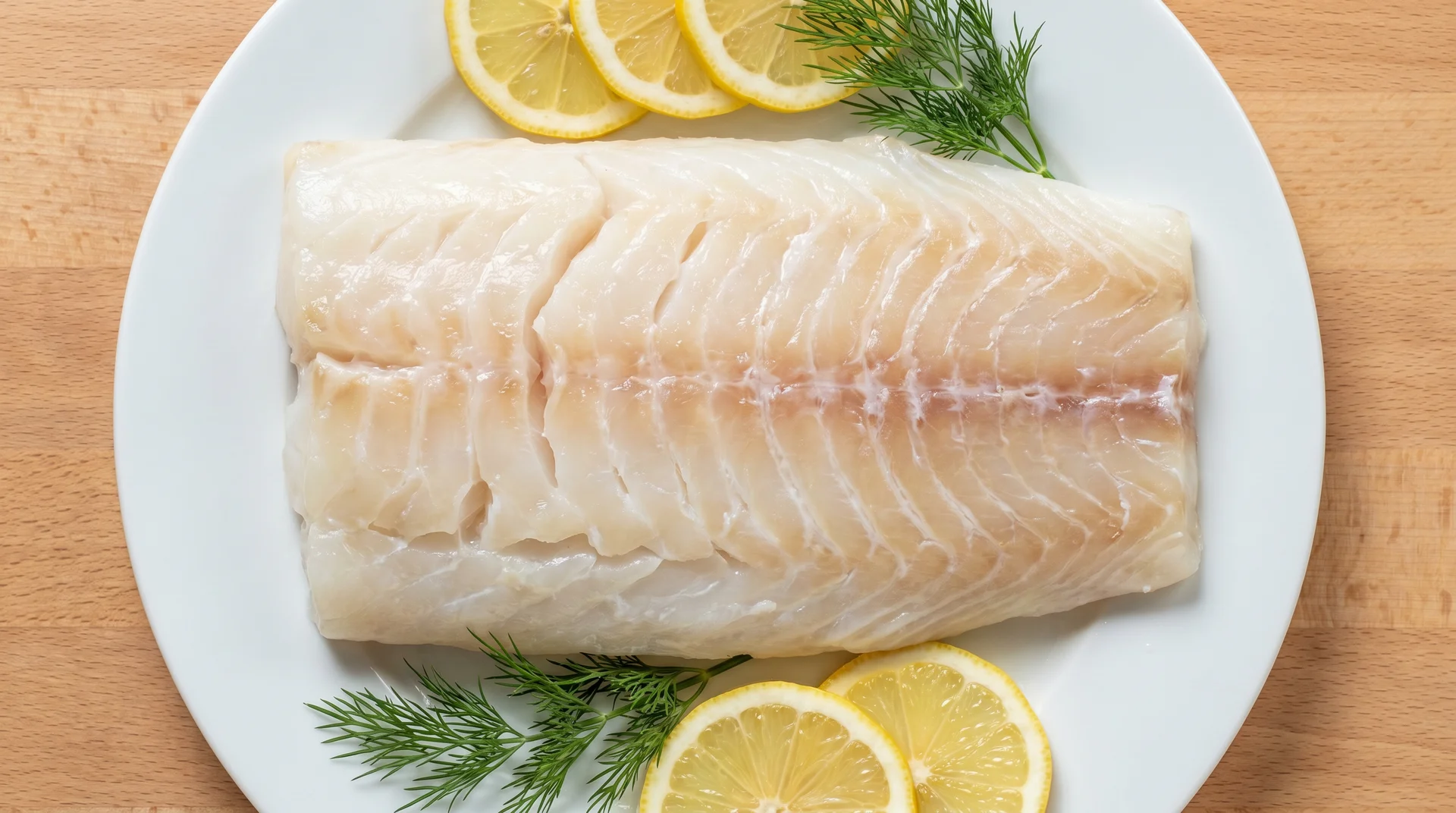
Cod is one of the lowest-calorie animal proteins. It is a white fish with a mild taste that absorbs seasoning well. Baked or pan-seared cod is filling despite its low calorie count thanks to its high protein content. Avoid battered and fried versions, which add several hundred extra calories.
| Nutrient | Per 100g (raw) |
|---|---|
| Calories | 82 kcal |
| Protein | 18g |
| Fat | 0.7g |
| Saturated Fat | 0.1g |
13. Tilapia
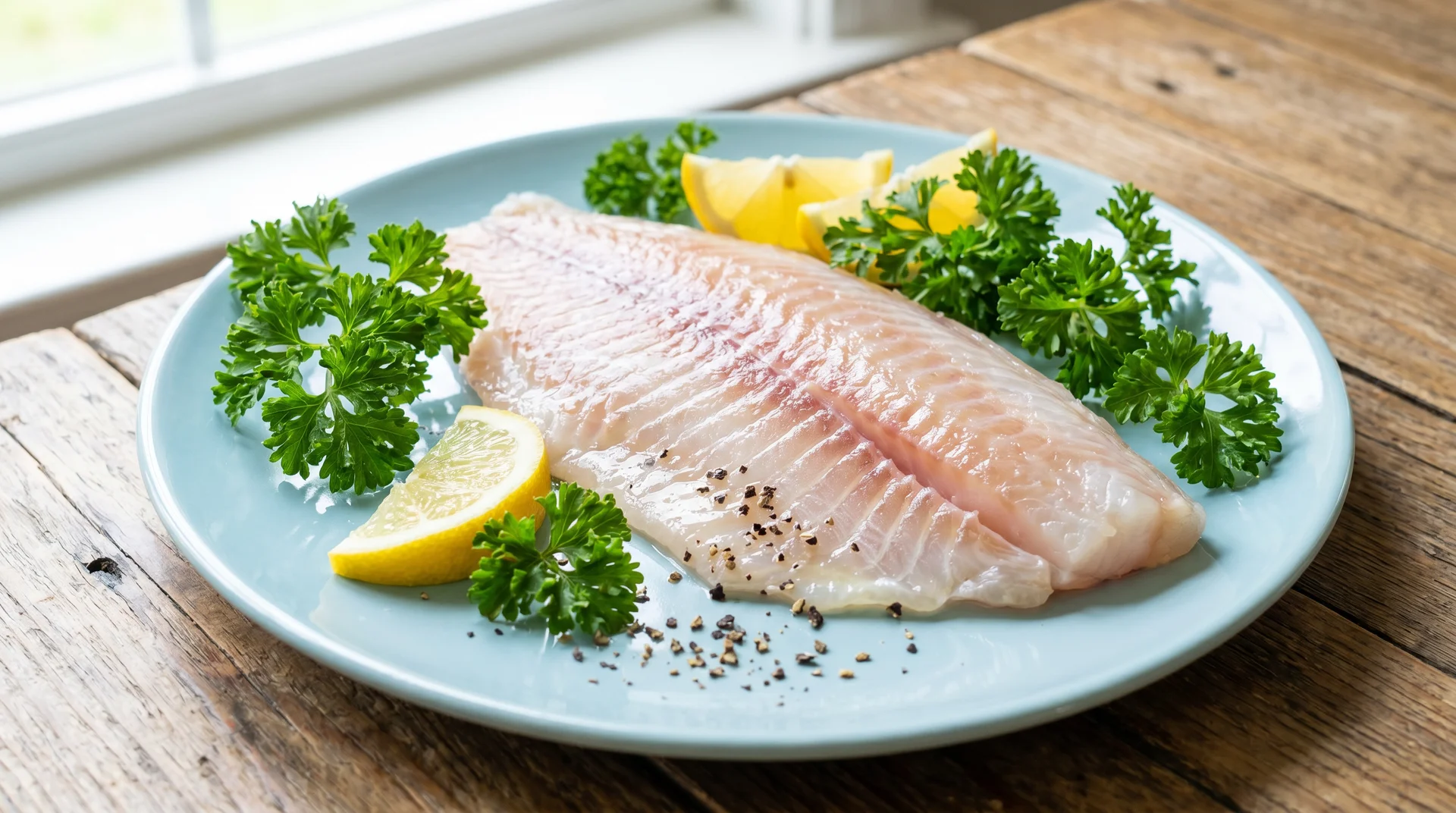
Tilapia is the budget-friendly option on this list. It is widely available, affordable, and very lean. The flavor is mild to the point of being bland, so seasoning matters here. Season it well and pair with vegetables for a complete, low-calorie meal that costs very little to make.
| Nutrient | Per 100g (raw) |
|---|---|
| Calories | 96 kcal |
| Protein | 20g |
| Fat | 1.7g |
| Saturated Fat | 0.6g |
14. Shrimp
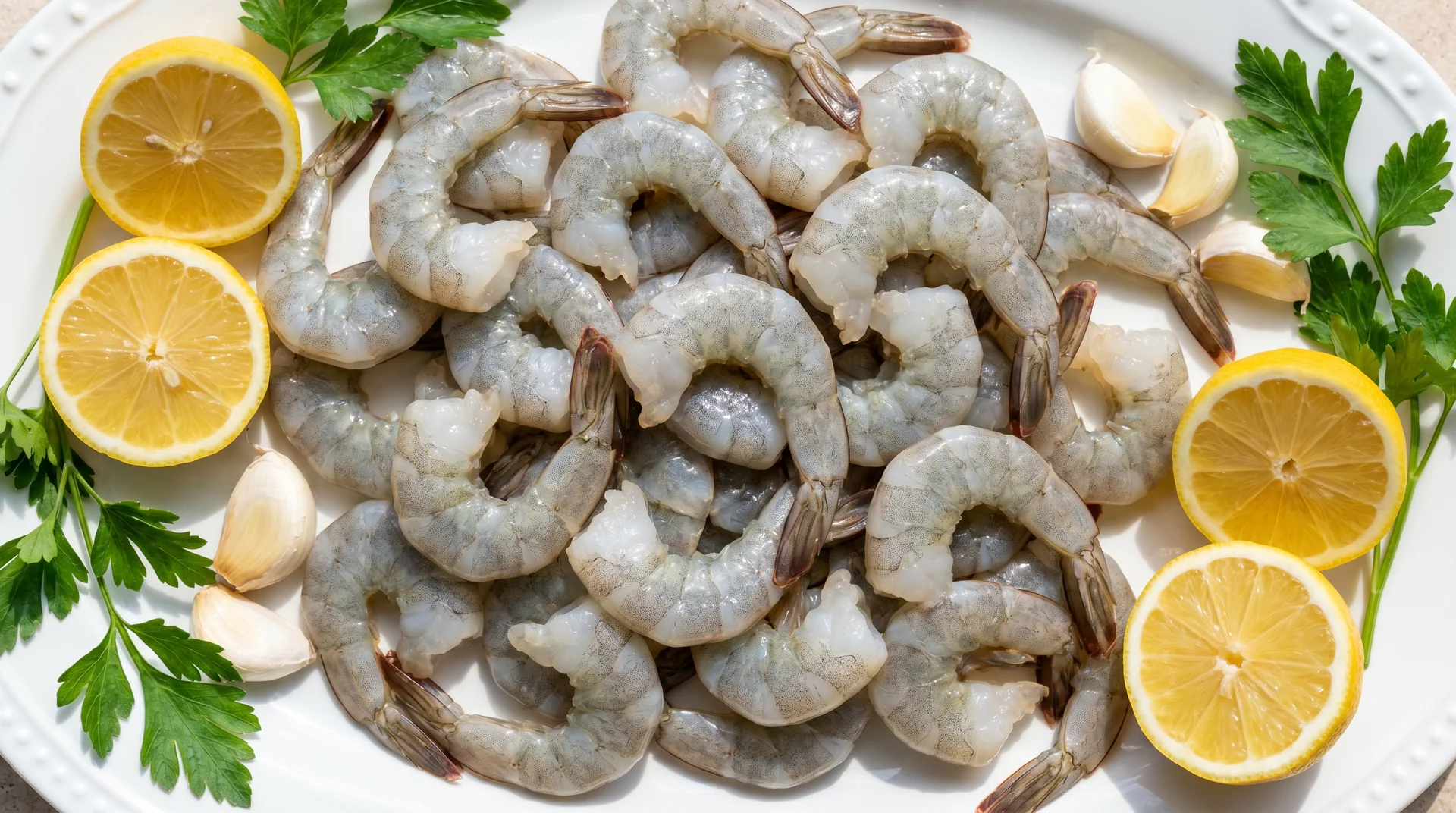
Shrimp packs more protein per calorie than almost any other meat on this list. The fat content is minimal, making it one of the top choices for anyone cutting calories aggressively. Pre-seasoned or pre-marinated frozen shrimp can carry extra sodium, so check the label before buying.
| Nutrient | Per 100g (raw) |
|---|---|
| Calories | 99 kcal |
| Protein | 24g |
| Fat | 0.3g |
| Saturated Fat | 0.1g |
15. Scallops
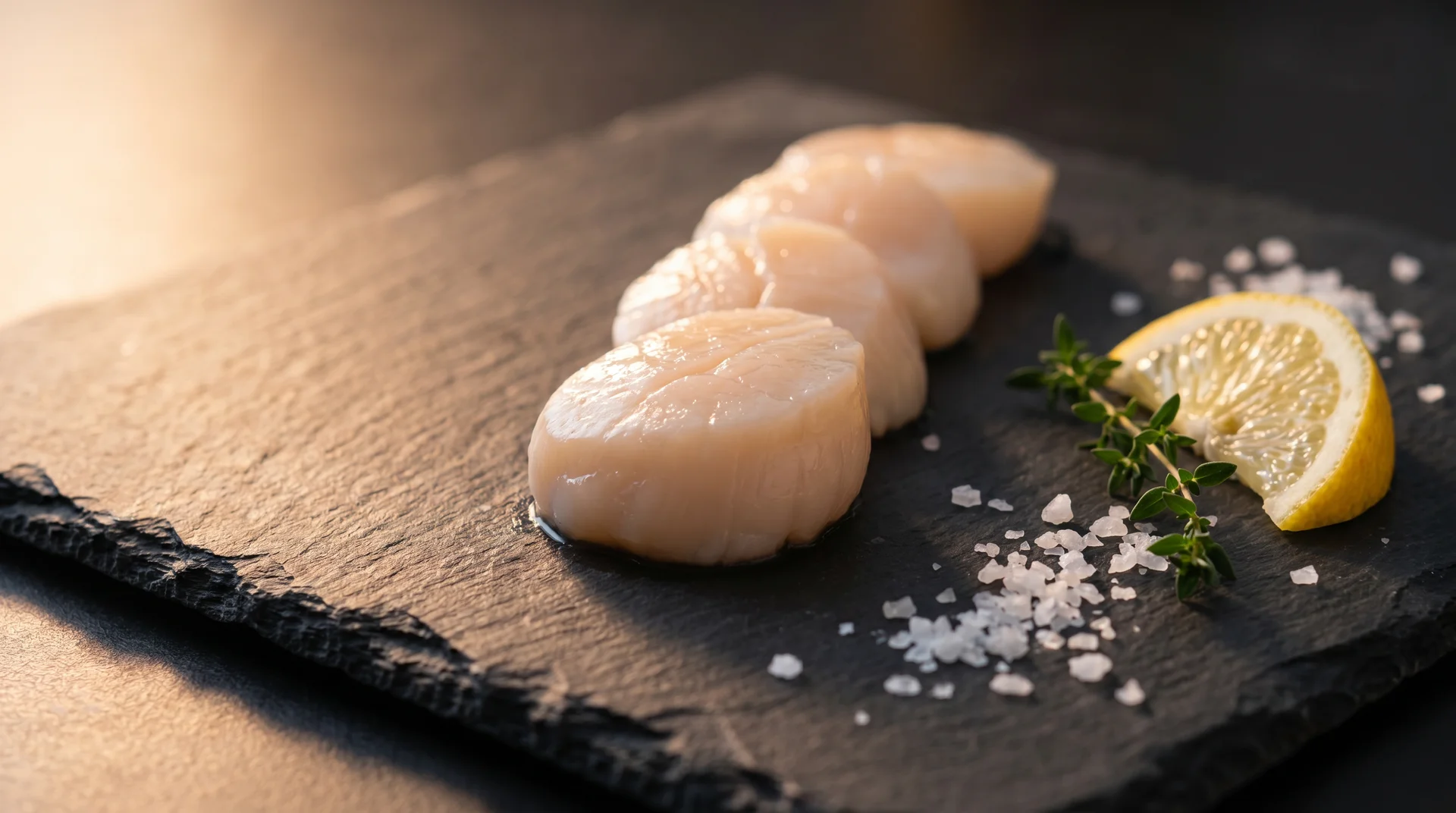
Scallops are often forgotten in low-calorie meat conversations. They are soft, naturally sweet, and very lean. A hot, dry pan gives them a golden crust in under two minutes per side. Do not overcook them. Overcooked scallops turn rubbery and lose their appeal entirely.
| Nutrient | Per 100g (raw) |
|---|---|
| Calories | 88 kcal |
| Protein | 15g |
| Fat | 0.8g |
| Saturated Fat | 0.1g |
16. Canned Tuna (in Water)
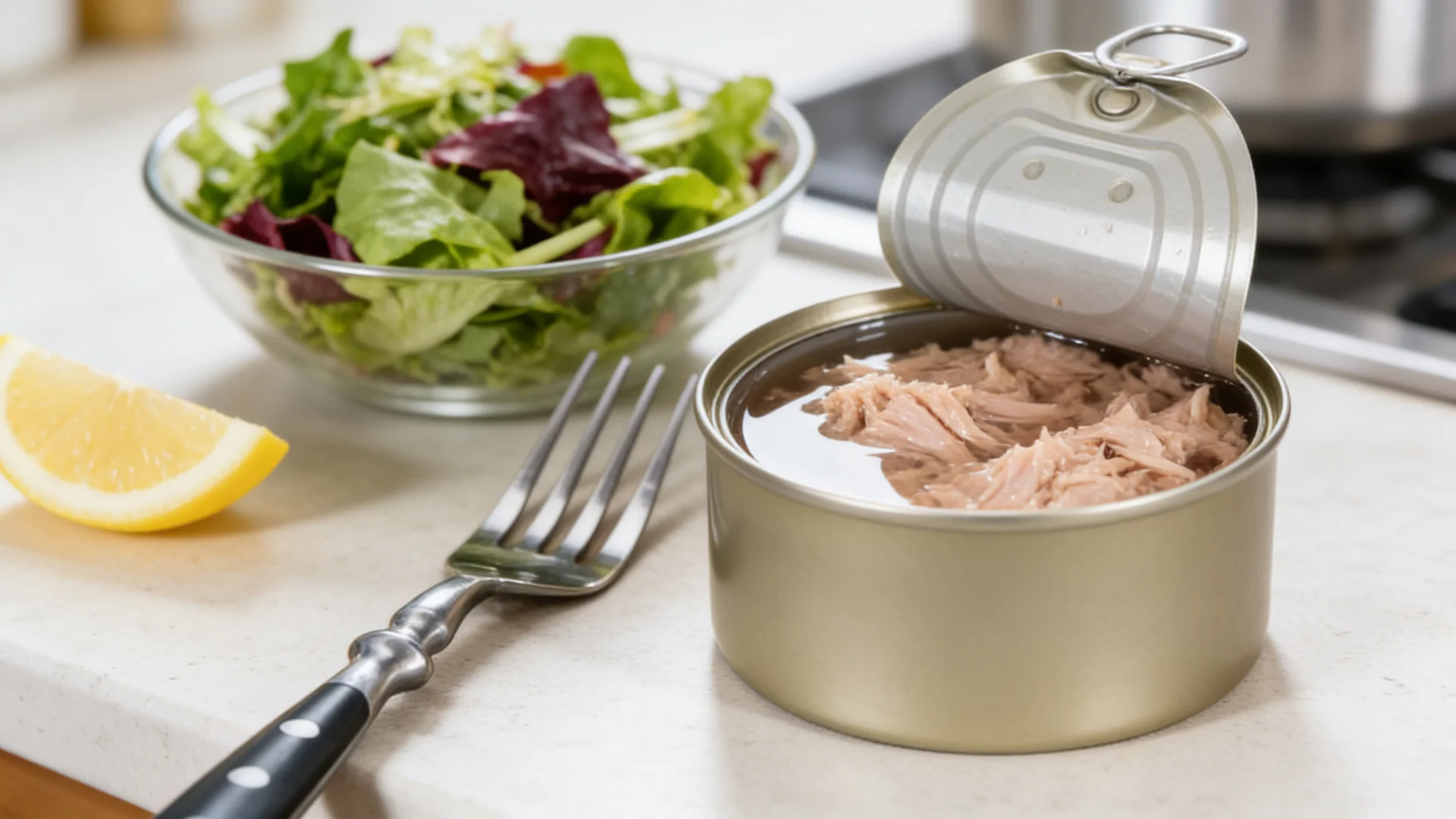
Canned tuna in water is the most practical low-calorie meat on this list. Open the can, drain it, and eat it with minimal prep. It has a high protein-to-calorie ratio and stays good in your pantry for months. Always buy in water, not oil. Oil-packed tuna adds about 60-80 extra calories per can, with no additional nutritional benefit.
| Nutrient | Per 100g (drained) |
|---|---|
| Calories | 109 kcal |
| Protein | 25g |
| Fat | 2.5g |
| Saturated Fat | 0.7g |
Is Filet Mignon Healthy?
Yes, filet mignon is one of the healthiest steak options compared with other common beef cuts. It comes from the tenderloin muscle, which sits along the spine and does very little physical work.
Because that muscle is inactive, it accumulates very little fat relative to cuts like ribeye or T-bone. At around 185 calories and 11 grams of fat per 100g, it is not in the same category as chicken breast, but for a beef steak, that is a lean result. It also delivers about 22 grams of protein per 100g, making it a solid protein source.
The bigger concern with filet mignon is portion size and what gets added during cooking. Restaurant servings often run 6 to 8 ounces, and sauces like Béarnaise or compound butter can add 200 or more calories on top of the steak itself. Order it plain, watch your portion, and filet mignon fits comfortably into a health-conscious diet.
Healthiest Steak Cuts Ranked
When it comes to beef, the cut makes all the difference in calorie and fat count. These rankings are based on fat content per 100g of raw meat.
- Eye of Round: The leanest beef cut available. Only 3.4g of fat per 100g, making it the top pick for anyone prioritizing low-fat beef.
- Top Round: Close second with 4.5g of fat per 100g. Affordable and widely available at most grocery stores.
- Sirloin Tip: Around 5g of fat per 100g. A versatile cut that works well roasted or grilled.
- Filet Mignon: About 11g of fat per 100g, but still far leaner than premium cuts like ribeye. Best choice when flavor and leanness both matter.
- Sirloin: Around 5.1g of fat per 100g with a strong flavor. The best everyday steak for someone tracking calories.
- Flank Steak: 6.3g of fat per 100g. Moderately lean with bold flavor. Better than T-bone or ribeye by a wide margin.
- New York Strip: Around 10g of fat per 100g, depending on the grade. Decent option if you trim visible fat before cooking.
- T-Bone: Combines two cuts, one of which is a fatty strip. Higher in calories and saturated fat than the cuts above.
- Ribeye: The most marbled common steak cut. Around 29g of fat per 100g. The least suitable option for a low-calorie approach.
Who Should Focus on Low-Calorie Meats?
Low-calorie meats are not just for people on strict diets. A wider range of people benefits from choosing leaner protein sources. Here is a quick breakdown of who gains the most from making this swap.
| Group | Why Low-Calorie Meats Help |
|---|---|
| People in a calorie deficit | Lean meats provide protein without using up a large portion of the daily calorie budget |
| Athletes and active individuals | High protein supports muscle repair and recovery while keeping fat intake in check |
| People managing heart health | Less saturated fat from lean cuts reduces cardiovascular strain over time |
| Those with high cholesterol | Replacing fatty meats with lean options can support healthier LDL levels |
| People with type 2 diabetes | Lean protein stabilizes blood sugar better than high-fat meals |
| Older adults | Higher protein from lean meats helps slow muscle loss that comes naturally with age |
| People on a budget | Lean cuts like canned tuna, chicken breast, and tilapia are among the most affordable proteins |
| Anyone managing weight long-term | Eating lean meats regularly makes it easier to stay full without overshooting calories |
How to Cook Low-Calorie Meats Without Adding Extra Calories
The meat itself is only half the story. Grilling, baking, poaching, and air frying are the cooking methods that keep calories in check because they use little to no added fat.
Grilling is particularly effective since fat drips away from the meat during cooking rather than sitting in it. Baking and roasting work well for chicken, turkey, and lean beef cuts when you add herbs and spices instead of butter or cream-based marinades.
Poaching in low-sodium broth adds flavor with virtually no extra calories and keeps lean cuts like chicken breast from drying out. Air frying is a practical everyday option that produces a crisp texture without submerging the meat in oil.
Where people go wrong is in the extras: breading adds 100 or more calories per serving, butter basting adds saturated fat quickly, and store-bought marinades often contain hidden sugar and sodium.
Seasoning with citrus, mustard, garlic, cumin, or fresh herbs gives you bold flavors while keeping the calorie count exactly where you left it.
Conclusion
Low-calorie meats give you a genuine path to eating more protein without pushing your calorie count past your goal.
From the ultra-lean cod and shrimp to smarter beef choices like sirloin and eye of round, the options are wider than most people realize. Steak lovers are not left out either.
The healthiest steak cuts, including filet mignon and top round, sit well within a balanced diet when portioned right. The cooking method matters as much as the cut itself.
Ready to cut calories without sacrificing protein? Start with one of these options today.
Frequently Asked Questions
What meat is best for weight loss?
Chicken breast, turkey breast, and shrimp are the top choices. All three are high in protein, very low in fat, and under 115 calories per 100g, making it easy to stay full within a calorie deficit.
What is the best meat for heart disease?
Skinless chicken breast, cod, and eye of round beef are the safest options. They are low in saturated fat, which is the main dietary driver of LDL cholesterol. The American Heart Association recommends choosing lean meats and limiting red meat with high saturated fat.
What meats are best for diabetics?
Lean meats like chicken breast, turkey, fish, and shrimp are the best choices for people with diabetes. They do not spike blood sugar and provide steady protein that supports blood sugar control throughout the day.
Which meat is not good for weight loss?
Ribeye, pork belly, processed sausages, and fried chicken are the worst options for weight loss. These cuts are high in saturated fat and calories, making it difficult to stay within a calorie target while eating satisfying portions.