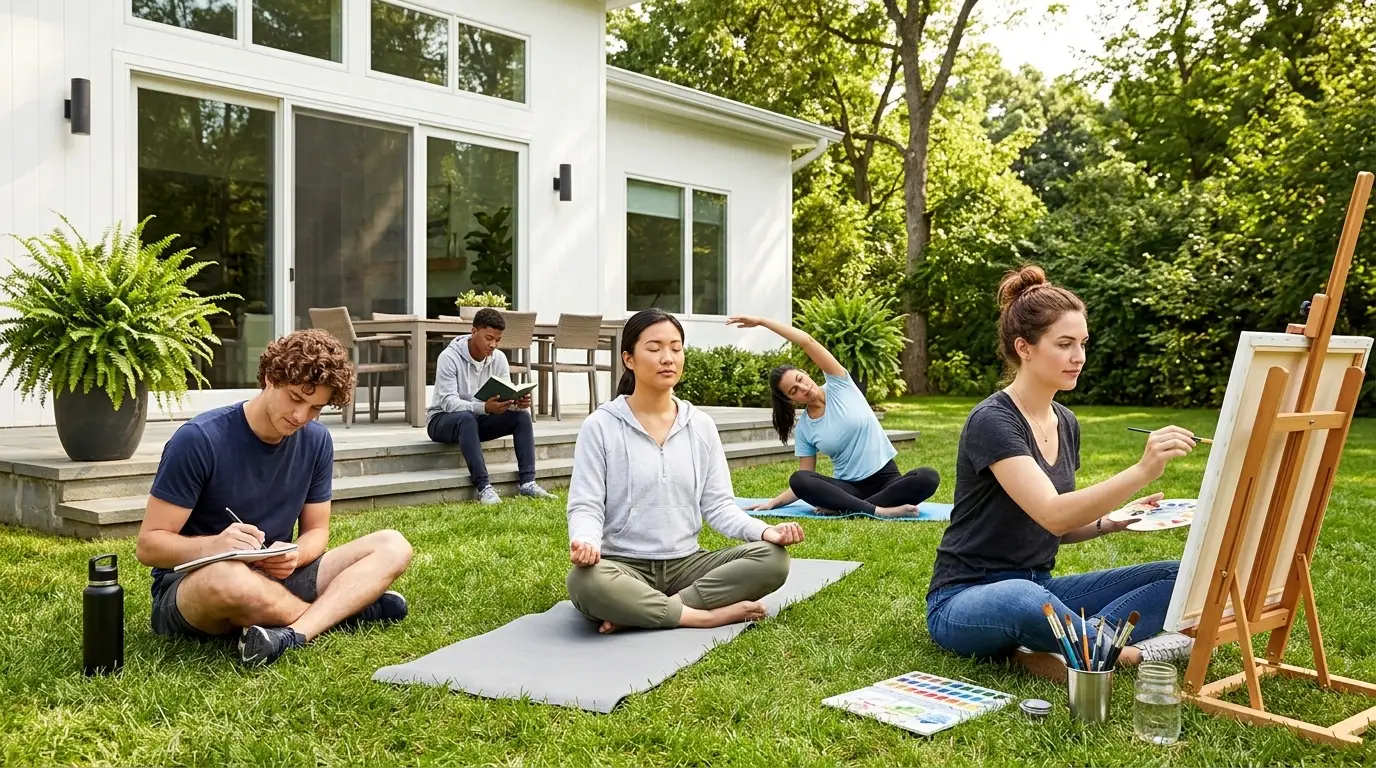
Mudras are commonly practiced alongside yoga, meditation, and breathing exercises to promote concentration, relaxation, and mindfulness.
Different hand positions are associated with different intentions, ranging from calming the mind to supporting focus during meditation.
These gestures have remained an important part of traditional wellness practices for centuries and continue to be used in modern yoga sessions today.
In this article, you’ll learn about common mudra hand signs, their traditional uses, how yoga mudras are believed to work, and simple ways to incorporate them into your daily routine.
What Is the Meaning of Mudras?
A mudra is a symbolic gesture made with the hands, fingers, or body, used in yoga, meditation, and spiritual practices to direct the flow of energy and focus the mind.
The word “mudra” comes from Sanskrit, where it means “seal,” “mark,” or “gesture.” Each mudra creates a specific circuit in the body by connecting different fingers or positioning the hands in a certain way, and in traditional practice, each gesture carries its own meaning, purpose, and energy.
The History and Origins of Mudras
Mudras are not a modern invention. They have deep roots in ancient India and have spread across several spiritual and cultural traditions over thousands of years.
The earliest recorded references to mudras appear in the Vedic texts, some of the oldest scriptures in human history, dating back over 3,000 years. They were used in Hindu rituals, worship, and temple ceremonies long before yoga became a global practice.
Here is how mudras developed across different periods and traditions:
- In Hindu tradition, mudras were used in temple worship and religious rituals. Deities in sculptures and paintings are almost always shown with specific mudras, each one communicating a quality, blessing, or action.
- Buddhist tradition: As Buddhism spread from India into Tibet, China, Japan, and Southeast Asia, mudras traveled with it. Buddhist monks and practitioners used specific hand gestures during prayer, chanting, and meditation. Each gesture represented a quality of the Buddha, such as courage, generosity, or enlightenment. These are often referred to as Buddhist hand signs in modern literature.
- Classical Indian dance: Dance forms such as Bharatanatyam use hand gestures, called hasta mudras, to tell stories, express emotions, and communicate with the audience. These are closely related to the mudras used in yoga but serve a performance-based purpose.
- Over centuries, mudras became a central part of yoga and Ayurvedic practice. Traditional texts such as the Hatha Yoga Pradipika and the Gheranda Samhita documented mudras as tools for controlling prana, or life energy, within the body.
Today, mudras are practiced worldwide, not just in religious settings but in yoga studios, meditation sessions, and wellness spaces. Their meaning and purpose have remained largely consistent across traditions.
Types of Mudras and Their Meanings
Not all mudras look the same or work the same way. They are grouped into different categories based on which part of the body they involve. Here is a breakdown of the main types, starting with the ones you are most likely to encounter.
Hand Mudras (Hasta Mudras)
Hand mudras are the most common type used in yoga and meditation. They involve specific finger placements or hand positions, and they are what most people mean when they talk about yoga mudra practices.
In traditional practice, each finger represents one of the five natural elements:
- Thumb → Fire (Agni)
- Index finger → Air (Vayu)
- Middle finger → Space or Ether (Akash)
- Ring finger → Earth (Prithvi)
- Little finger → Water (Jal)
When you touch or press different fingers together, you are thought to create a connection between those elements, which directs energy in a particular way.
The most widely practiced hand mudras include:
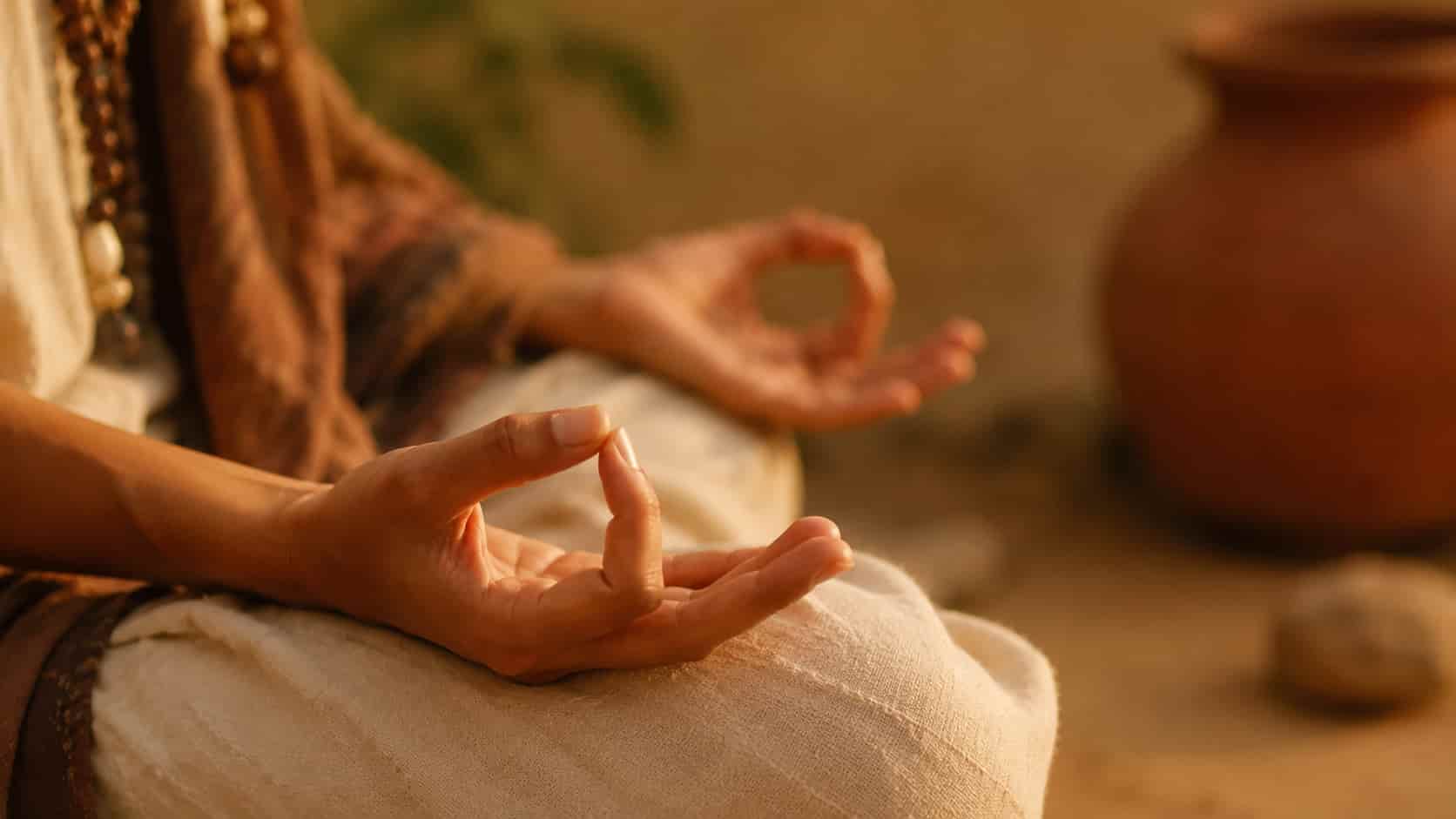
1. Gyan Mudra (Mudra of Knowledge)
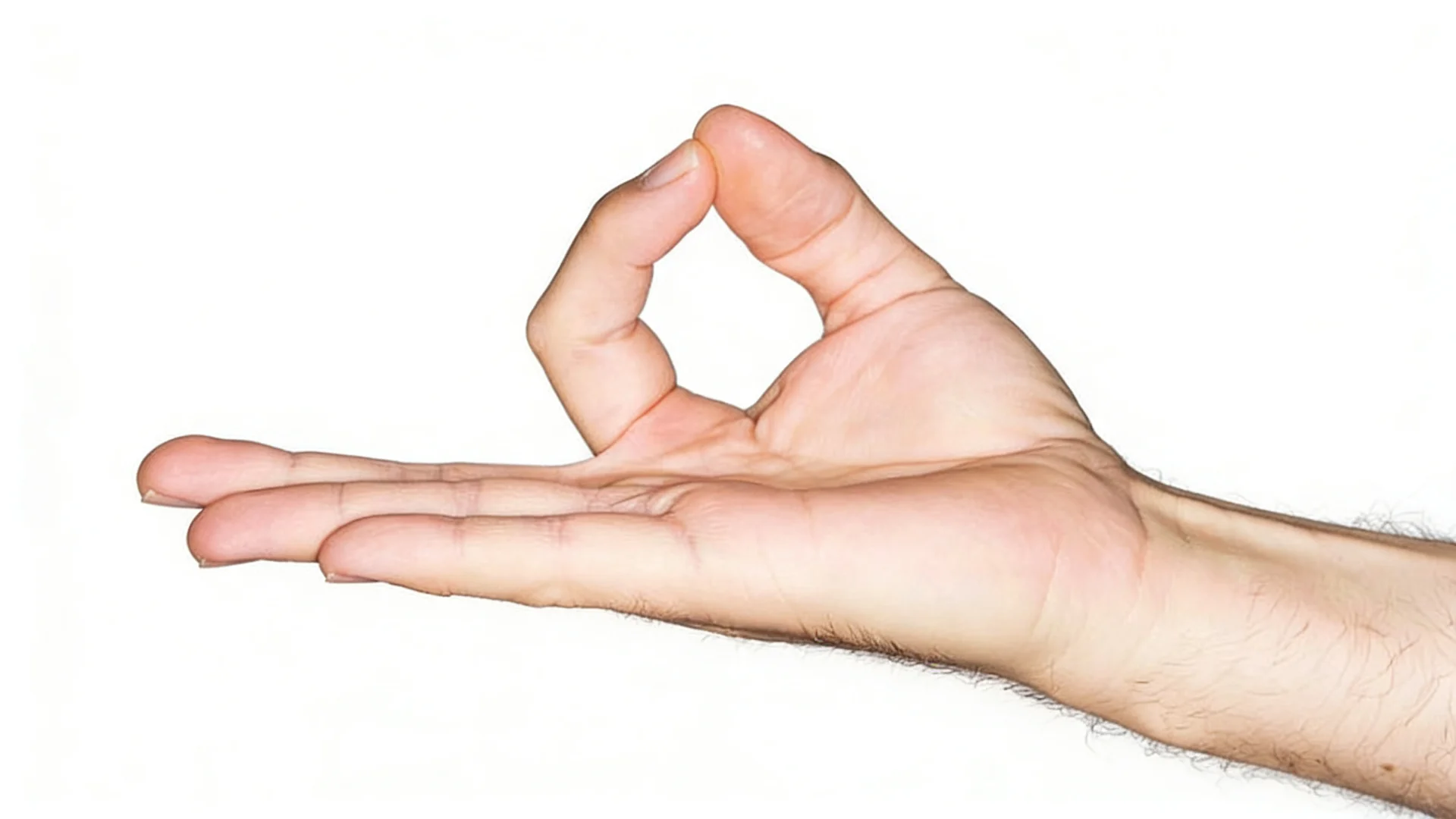
Touch the tip of your index finger to the tip of your thumb. Keep the other three fingers extended but relaxed. This is one of the most recognized mudras in yoga.
It is traditionally associated with knowledge, clarity, and mental focus. You will most often see it used during seated meditation and pranayama (breathing practices).
2. Chin Mudra
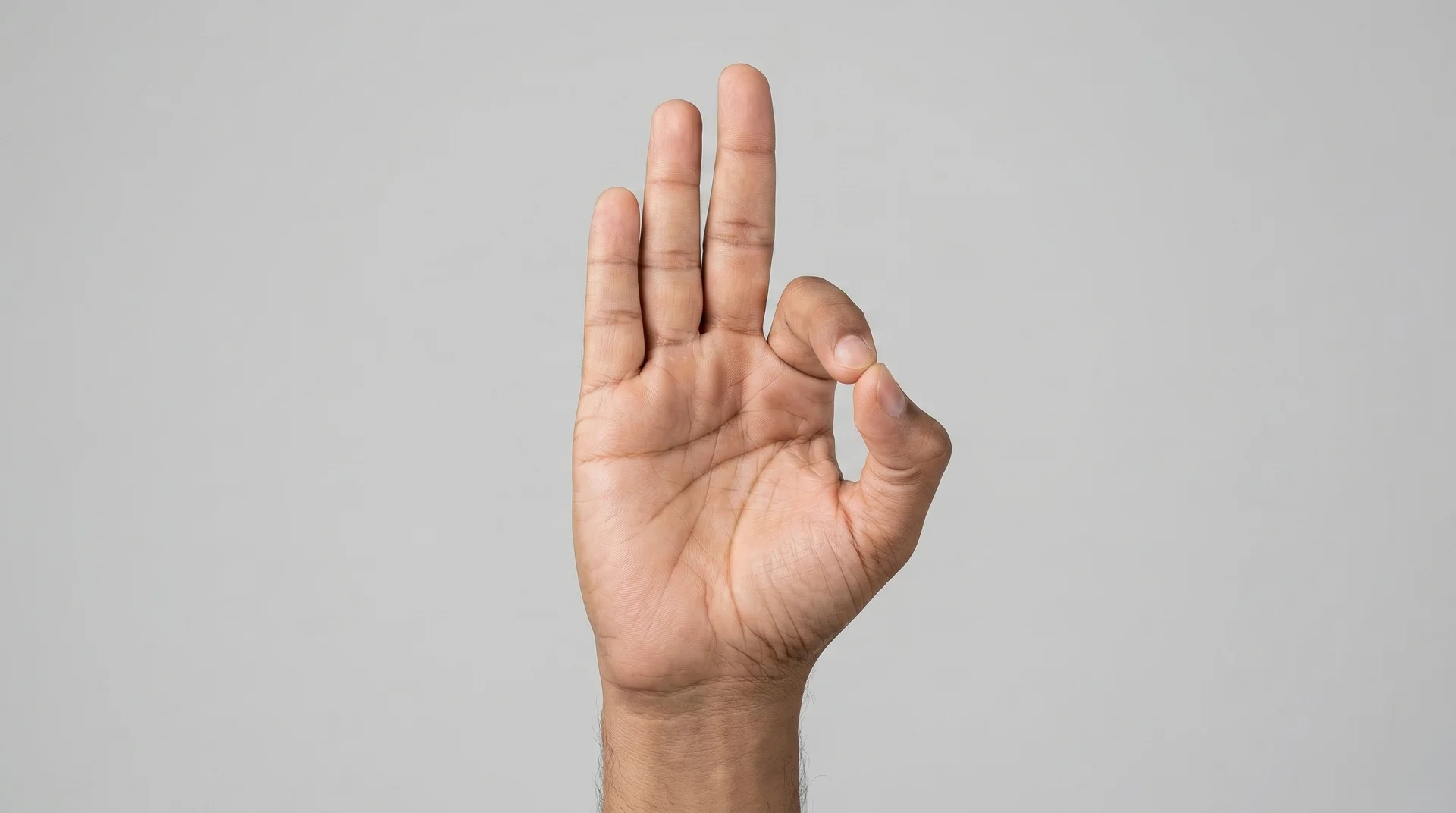
Chin mudra looks almost identical to Gyan mudra, index finger touches the thumb, but the palm faces upward instead of resting downward. This small difference carries meaning in traditional yoga.
The Chin mudra is associated with openness and receptivity, while the Gyan mudra is seen as more inward and reflective.
3. Anjali Mudra (Prayer Position)
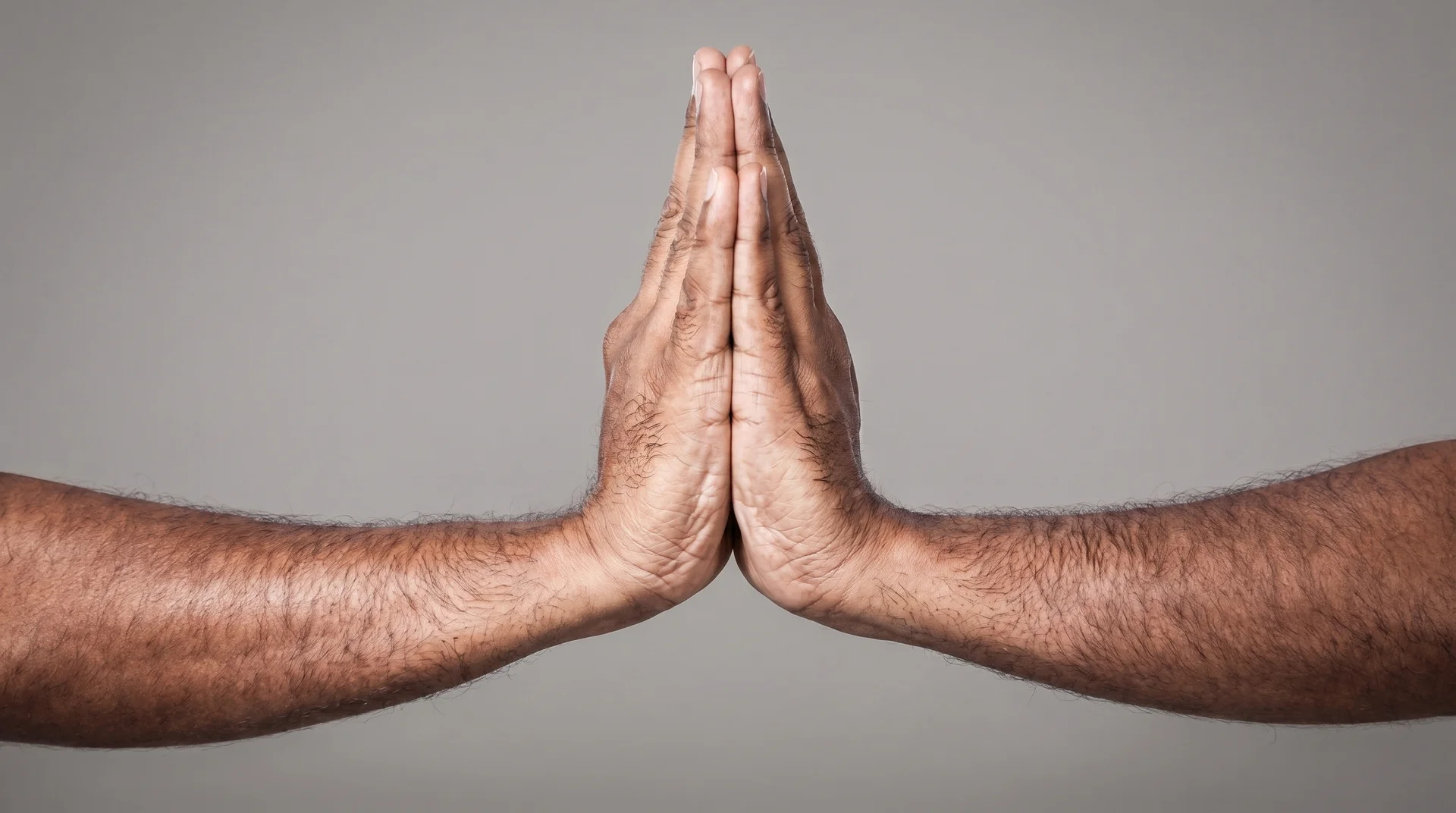
Press both palms together at the center of your chest, fingers pointing upward. You already know this one. It is the universal gesture of greeting, gratitude, and respect, used at the beginning and end of yoga classes and in religious settings across South Asia.
Its meaning centers on honor, balance, and the connection between the individual and the wider world.
4. Dhyana Mudra (Meditation Gesture)
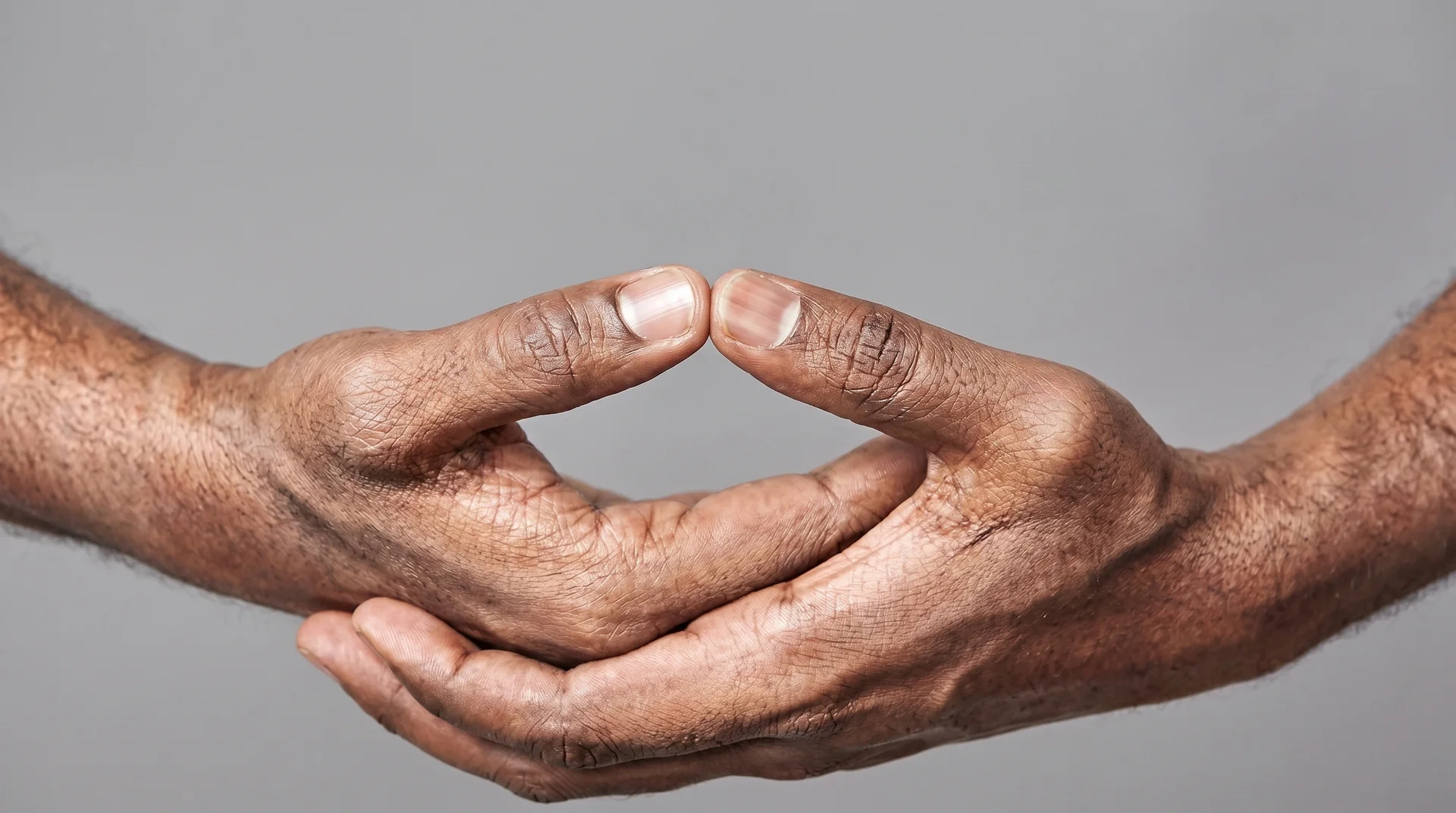
Rest both hands in your lap, right hand on top of left, with both palms facing upward and thumbs lightly touching. This is the classic meditation hand sign most associated with the seated Buddha.
If you have ever seen a Buddhist statue in meditation, this is the position. Dhyana mudra is used to settle the mind and support deeper concentration during meditation.
5. Abhaya Mudra

Raise one hand to about shoulder height with the palm facing outward and fingers pointing upward. This gesture appears constantly in Hindu and Buddhist art and iconography.
Its traditional meaning is reassurance and protection, a signal that communicates calm and safety. You see this mudra on statues and paintings across India, Thailand, Japan, and Tibet.
6. Prana Mudra
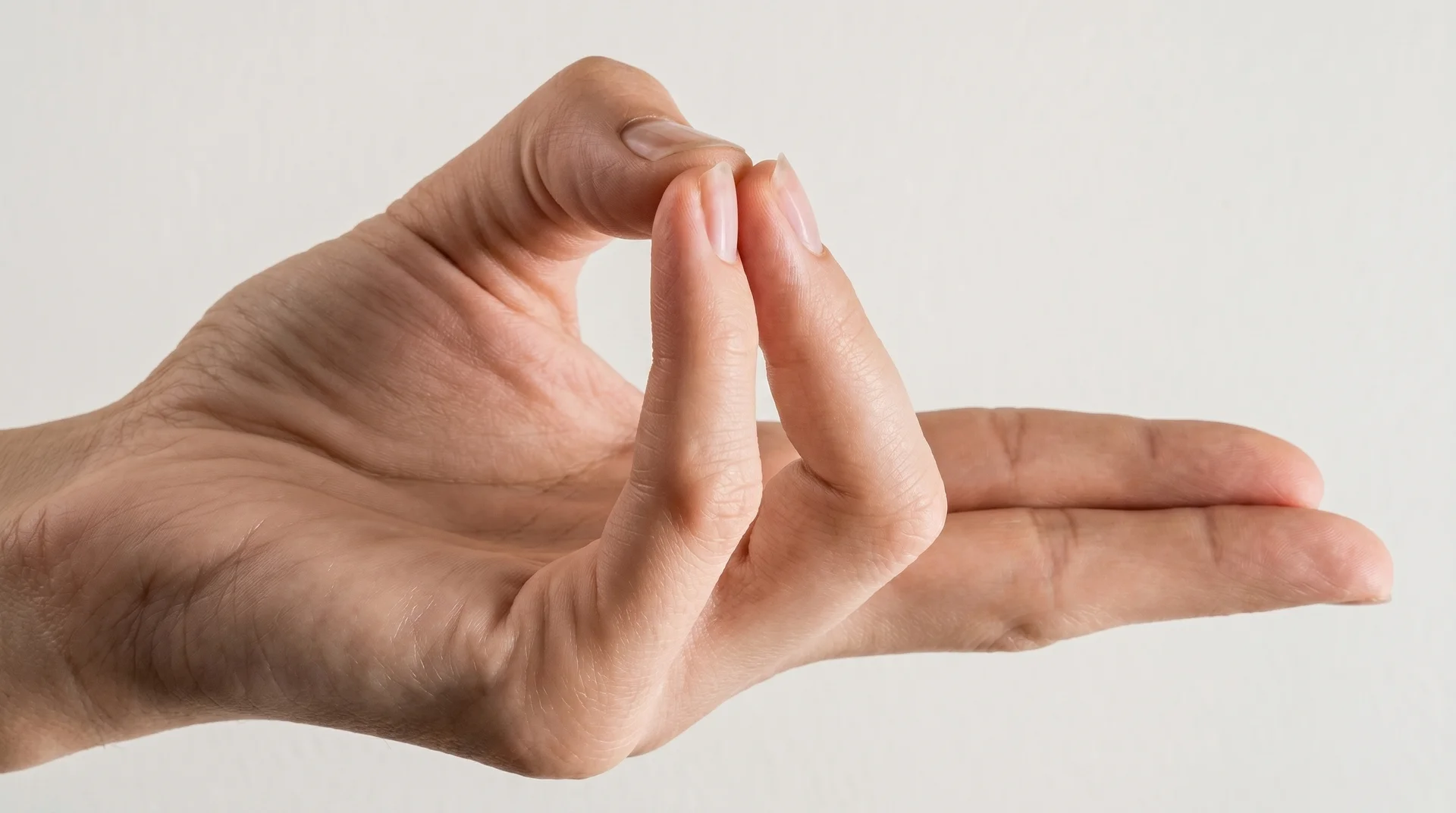
Fold the ring finger and little finger to touch the tip of the thumb. Keep the index and middle fingers extended. This mudra is traditionally linked to life energy (prana) and is said to support vitality and inner strength. It is used during meditation and breathing exercises.
7. Shuni Mudra
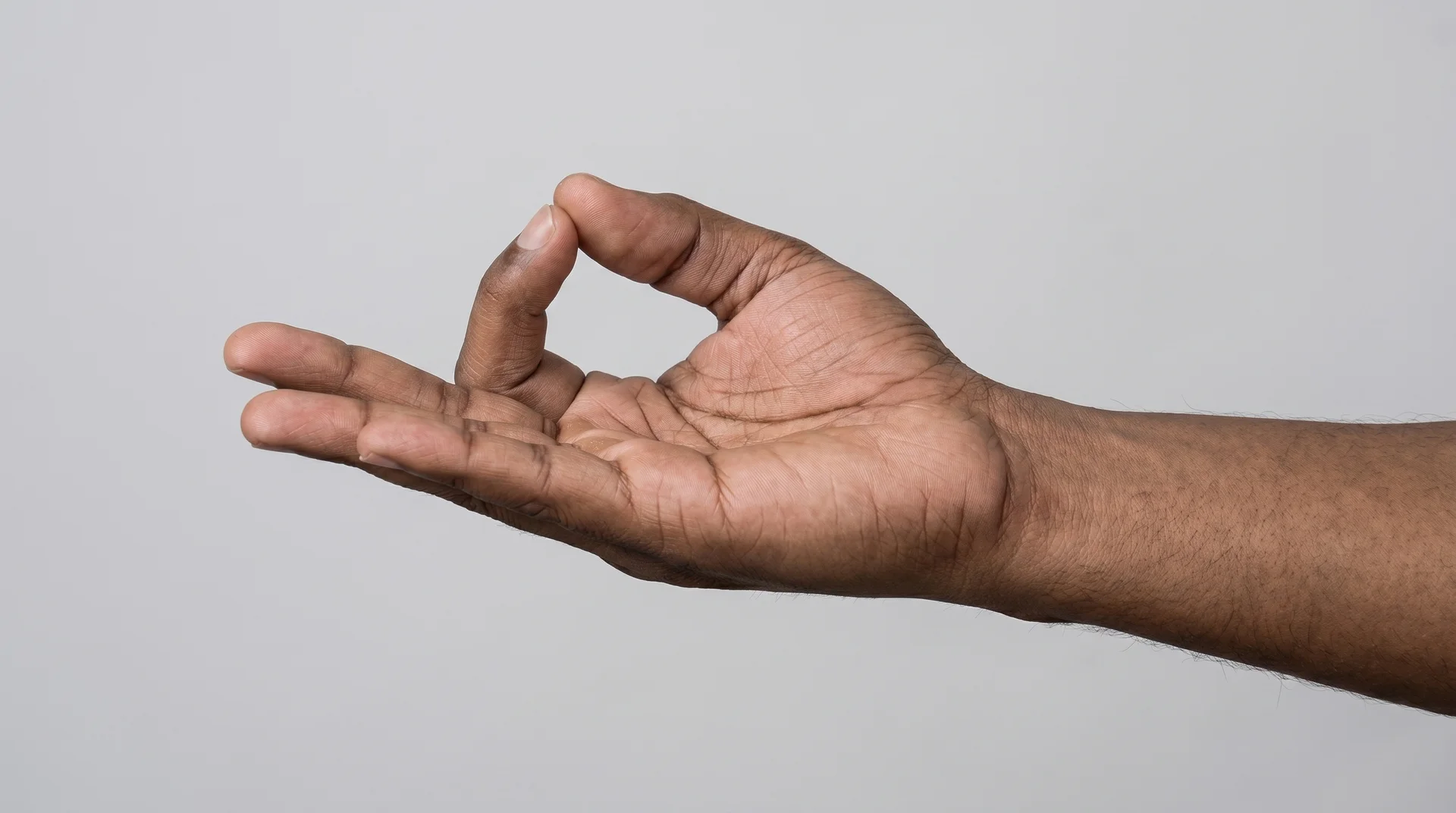
Touch the tip of the middle finger to the tip of the thumb, keeping the other fingers gently extended. Shuni mudra is traditionally associated with patience, focus, and inner discipline. It is used during longer meditation sessions when the mind tends to wander.
8. Surya Mudra
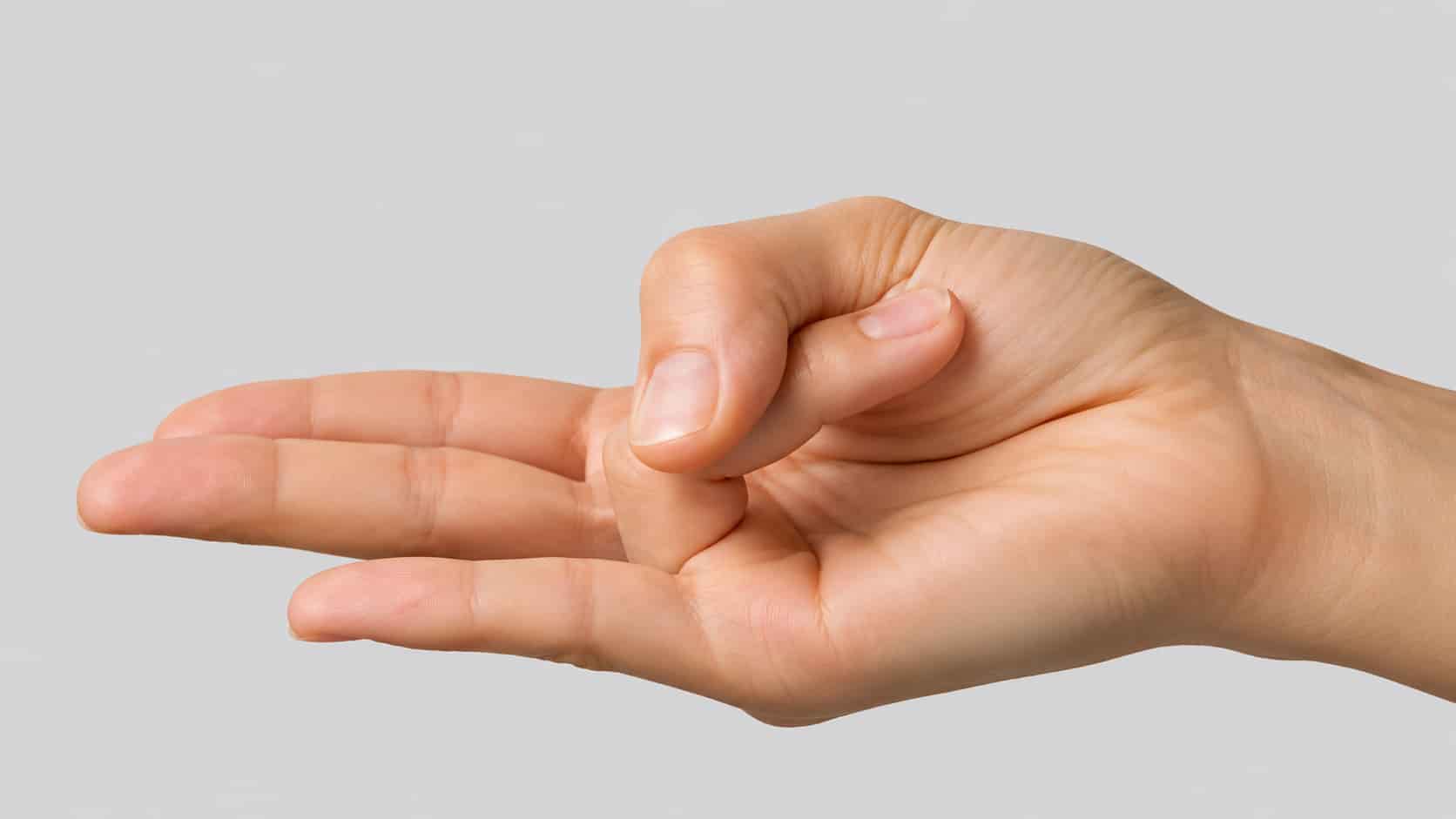
Fold the ring finger down so its tip touches the base of the thumb, then press the thumb gently over the ring finger. This mudra is linked to the fire element and is traditionally associated with warmth and energy. It is one of the more commonly practiced mudras in Ayurvedic wellness.
9. Apana Mudra
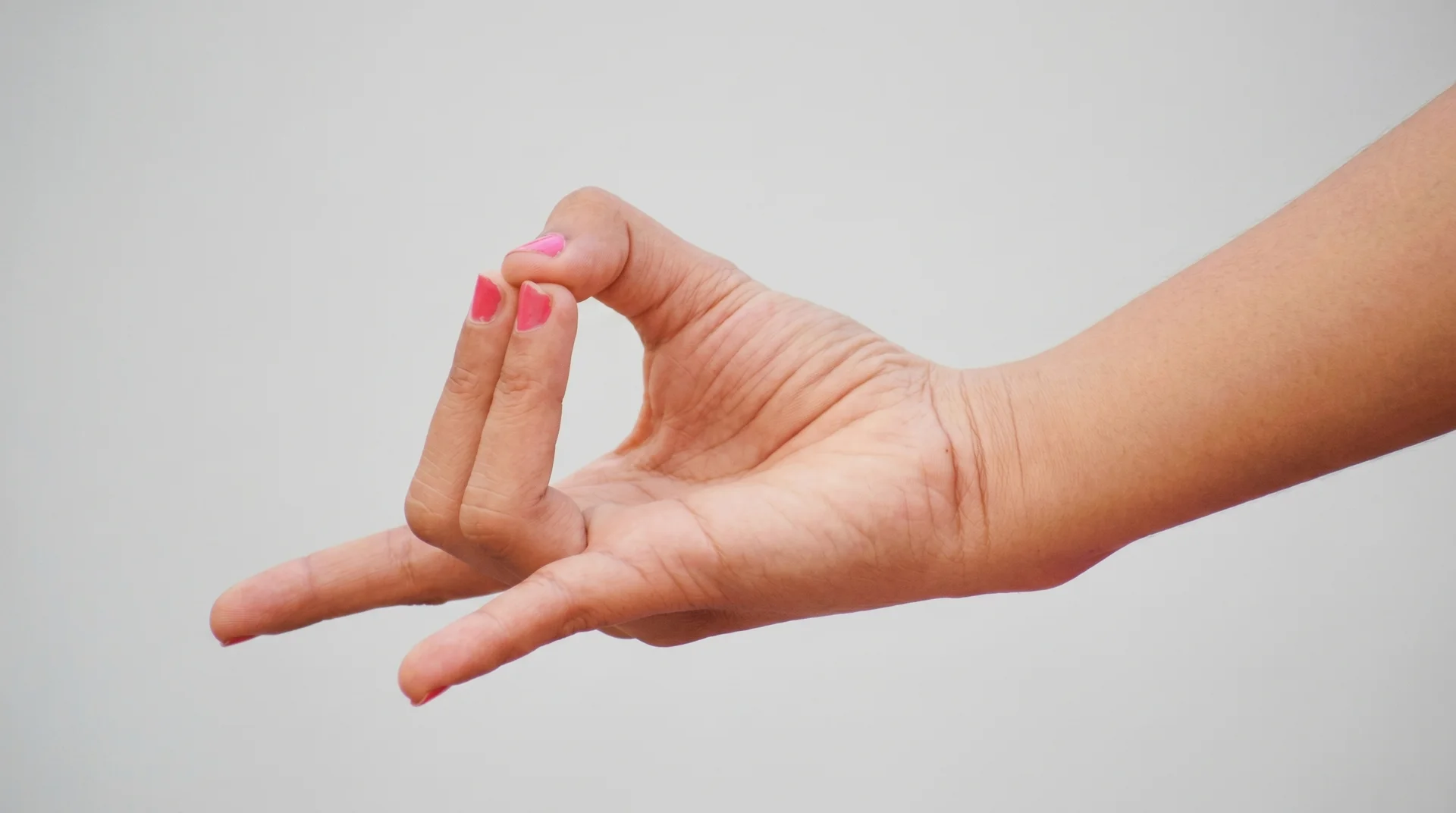
Touch the tips of the middle finger and ring finger to the tip of the thumb, keeping the index and little fingers extended. Apana mudra is traditionally linked to the downward flow of energy in the body and is associated with releasing what is no longer needed, physically and mentally.
10. Vayu Mudra
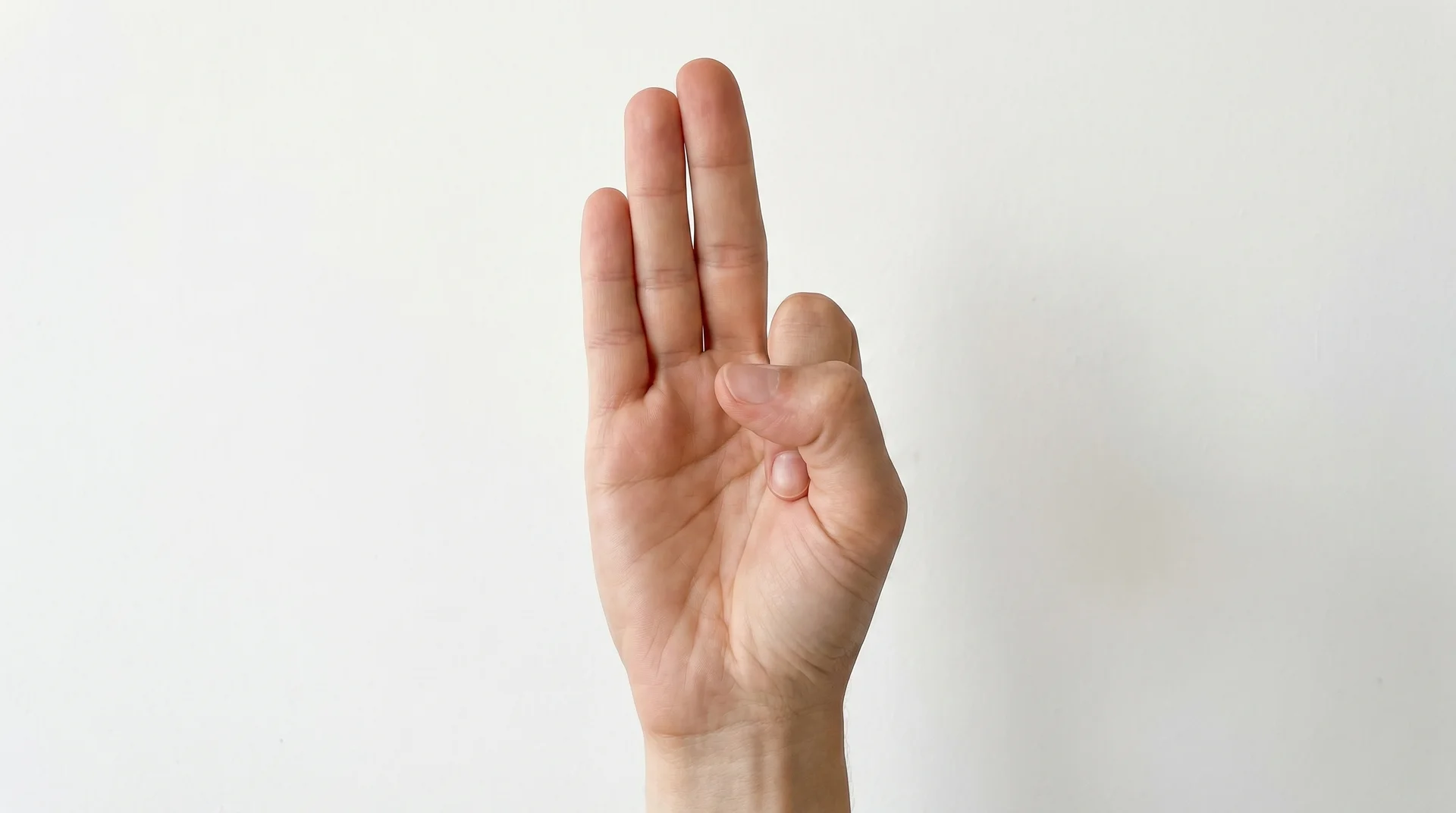
Fold the index finger down to touch the base of the thumb, then press the thumb gently over the index finger. Vayu means air, and this mudra is traditionally used to calm an overactive mind or restless energy.
Body Mudras (Kaya Mudras)
Body mudras involve postures and movements of the whole body, not just the hands. They are more advanced and are typically practiced within specific yoga sequences or advanced pranayama techniques.
Two well-known examples are Viparita Karani (legs-up-the-wall posture used as a mudra) and Yoga Mudra (a forward fold with hands clasped behind the back). These are less commonly taught to beginners.
Head and Eye Mudras (Mana Mudras)
These mudras involve the face, eyes, ears, tongue, or gaze. They are used primarily in concentration practices and techniques that involve withdrawing the senses inward. Shambhavi Mudra, where the gaze is directed upward toward the space between the eyebrows, is one example. These are typically introduced after a student has a solid foundation in seated meditation.
How to Use Yoga Mudras in Your Practice
Using yoga mudras is simple. You sit comfortably, rest your hands on your knees or in your lap, form the mudra of your choice, and hold it while you breathe or meditate.
The key is to keep the hand position steady but relaxed, no straining or gripping. Most teachers recommend holding a mudra for at least five minutes to allow the body to settle into it, though longer holds of 15 to 30 minutes are common in more structured practices.
You do not need to know Sanskrit or have years of experience. Start with one mudra, use it consistently for a week, and notice how it affects your focus and energy during practice.
When to use mudras:
- During seated meditation sessions
- During pranayama (breathing exercises)
- During yoga poses where your hands are free and resting
- During Savasana (final rest pose) at the end of a yoga class
- During any quiet, focused activity where you want to anchor your attention
Step-by-step: How to start practicing a mudra
- Sit in a comfortable position, on the floor or in a chair.
- Rest your hands on your thighs, palms facing up or down depending on the mudra.
- Choose one mudra to begin with. Gyan mudra is a good first choice.
- Form the hand position slowly, without forcing any fingers.
- Close your eyes and focus on your breath.
- Hold the mudra for 5 to 15 minutes.
- Release the position gently and sit quietly for a moment before continuing.
Pro Tip: Do not switch between multiple mudras in one session when you are starting out. Pick one and stay with it. Consistency gives you a clearer sense of what each mudra feels like.
Final Thoughts
Mudras’ meaning goes far beyond a simple hand position. Each gesture carries centuries of tradition, practical wisdom, and focused intention.
From ancient Vedic rituals to modern yoga studios, mudra hand signs have remained a consistent and accessible part of human practice.
Starting with just one mudra, Gyan, Anjali, or Dhyana, and using it regularly during meditation or yoga is enough to begin.
The value is not in doing all of them. It is in doing one of them with full attention. Try it today and see what shifts.
Frequently Asked Questions
Which mudra is so powerful?
Gyan mudra is widely regarded as one of the most powerful mudras for the mind. It is used in nearly every yoga and meditation tradition to support focus, clarity, and calm awareness.
What is the main purpose of mudras?
The main purpose of mudras is to direct the flow of energy in the body and focus the mind during yoga, meditation, and breathing practices.
Which mudra is best for the pituitary gland?
Shambhavi mudra, which involves directing the gaze upward toward the space between the eyebrows, is traditionally associated in yoga texts with stimulating the area linked to the pituitary gland.
What are the signs of a bad pituitary gland?
Common signs of pituitary gland dysfunction include unexplained fatigue, hormonal imbalances, headaches, vision changes, and unusual weight shifts. These are medical symptoms; consult a doctor if you experience them.