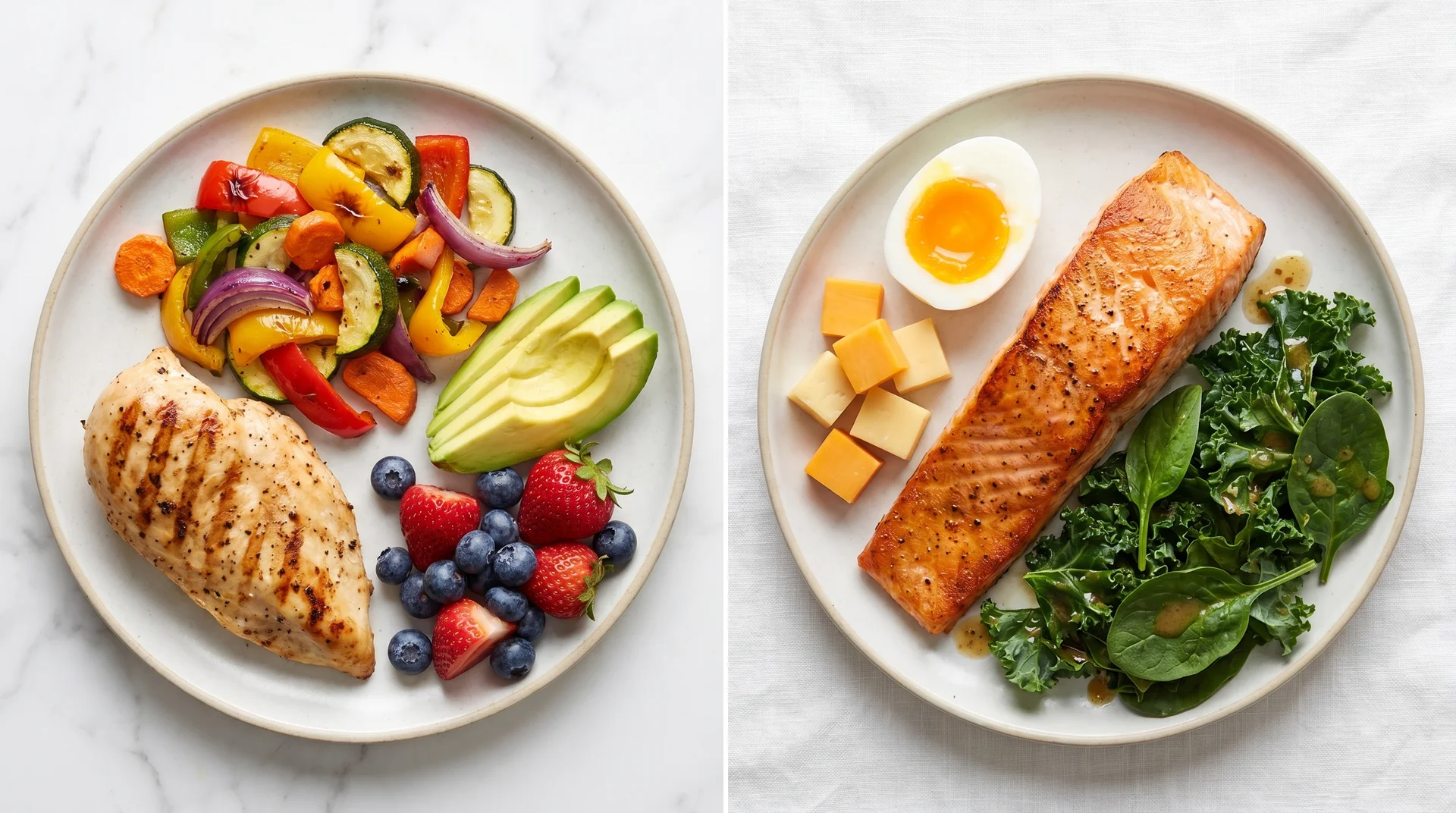
You have probably heard both names thrown around at the gym, on nutrition podcasts, and across every fitness forum on the internet.
The paleo vs. keto debate is one of the most-searched diet comparisons online, and for good reason.
Both cut out processed food, both claim to help with weight loss, and both have real science behind them. Yet they work in very different ways and suit very different people.
Before you commit to one, it helps to understand exactly what sets them apart, where they overlap, and which one actually matches your goals and your lifestyle.
What Is the Paleo Diet?
The paleo diet is built around one core idea: eat the way early humans ate before farming, processing, and packaged food existed. That means meat, fish, eggs, vegetables, fruits, nuts, and natural fats, and nothing that came from a factory or a grain field.
There is no calorie counting, no macro tracking, and no strict daily limit on carbohydrates. The focus is entirely on food quality rather than food quantity.
| Who Can Eat Paleo | Who Should Be Cautious |
|---|---|
| People who want to cut processed food without strict tracking | Anyone relying heavily on dairy for calcium intake |
| Those with dairy sensitivity or lactose intolerance | People on a tight budget (grass-fed meats and organic produce cost more) |
| Active individuals and athletes who need natural carb sources | Those with conditions requiring precise macro management |
| Anyone looking for a long-term, flexible eating pattern | People who depend on legumes as their main protein source |
| Those focused on reducing inflammation through whole foods | Anyone with a medical condition who has not consulted a doctor first |
What Is the Keto Diet?
The ketogenic diet is a very low-carbohydrate, high-fat, moderate-protein eating plan designed to shift the body into a metabolic state called ketosis, where fat, not glucose, becomes the primary fuel source.
Originally developed in the 1920s as a clinical treatment for epilepsy at Johns Hopkins Medicine, it has since become one of the most popular diets for weight loss and blood sugar management.
Unlike paleo, keto requires strict daily macro tracking. Carbs must stay under 20 to 50 grams per day, consistently, to maintain ketosis.
| Who Can Eat Keto | Who Should Be Cautious |
|---|---|
| People with type 2 diabetes seeking faster blood sugar control (with doctor’s guidance) | Individuals with kidney or liver conditions |
| Those who respond well to structure and daily tracking | People with a history of disordered eating |
| Anyone seeking faster, early weight loss results | Those who eat out often or travel frequently |
| Individuals with epilepsy or certain neurological conditions (under medical supervision) | Anyone who finds extreme carb restriction socially or mentally difficult |
| People who enjoy dairy-heavy foods like cheese, butter, and cream | Those who cannot consistently monitor their macronutrient intake |
Paleo or Keto: Comparing the Two Diets
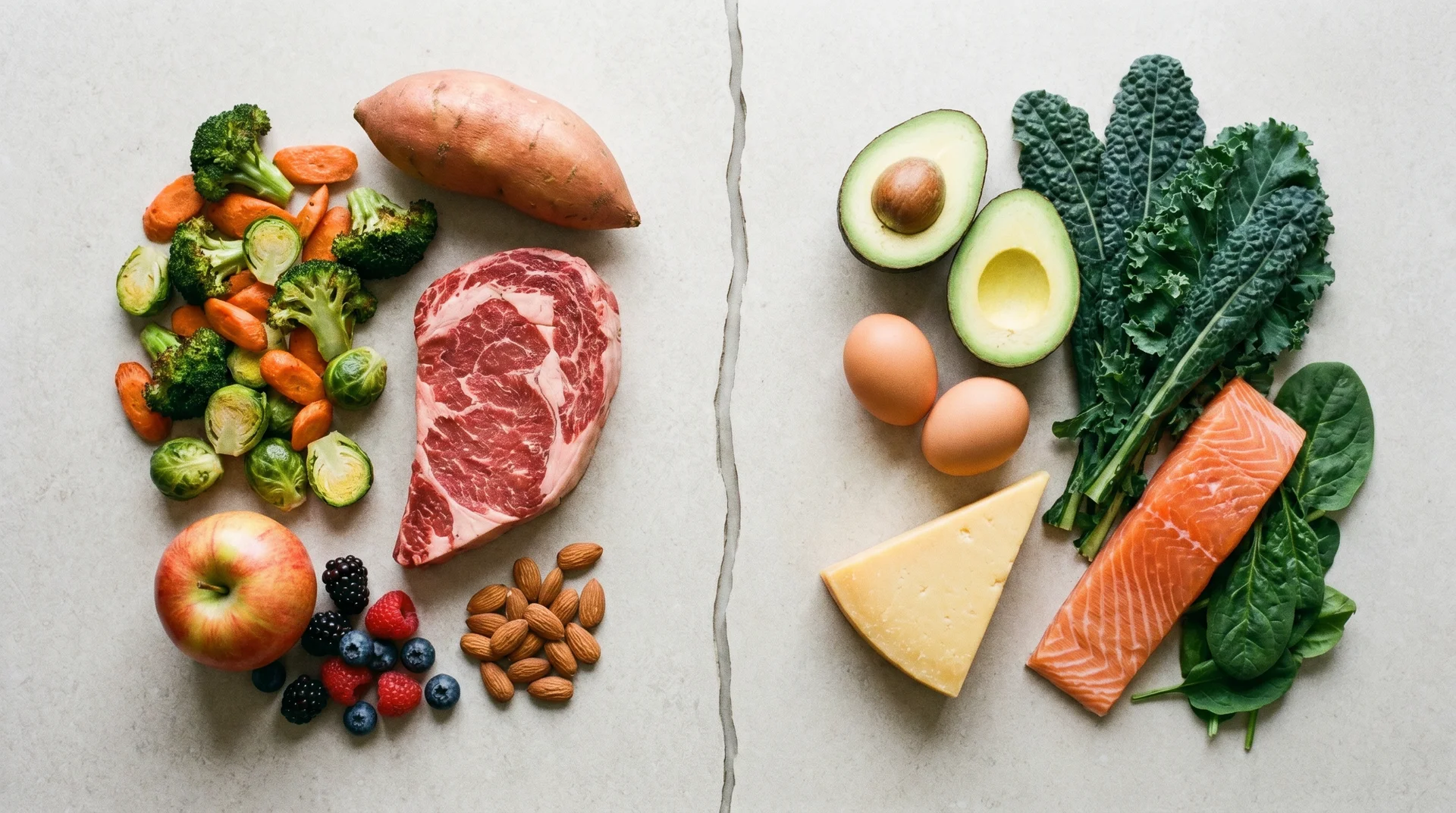
Knowing the definition of each diet is one thing. Seeing them side by side is where the real differences become clear. Here is how paleo and keto compare across the factors that matter most.
1. Food Rules and What You Can Actually Eat
Paleo restricts foods based on whether early humans could have eaten them; if they could not, it is off the table. Keto restricts based on carbohydrate content; a food is allowed as long as it fits your daily carb budget, regardless of how processed it is. A slice of processed cheese is acceptable on keto. It is not acceptable on paleo.
A sweet potato is perfectly fine on paleo. On keto, it has too many carbs to fit. This is the core philosophical split: paleo cares about where your food comes from, and keto cares about what it does to your macros.
2. Macronutrient Ratios
On keto, roughly 70% of your daily calories must come from fat, 20 to 25% from protein, and only 5 to 10% from carbohydrates, and these numbers need to be tracked consistently.
According to Gene Food, the paleo diet sits at around 35% fat, with significantly more room for protein and natural carbohydrates from fruits and vegetables.
Paleo does not require you to track anything. Keto absolutely does; missing your carb target by even 20 to 30 grams can pull you out of ketosis and restart the adaptation period.
3. Carbohydrate Limits
Keto caps carbs at 20-50 grams per day. That is roughly the carb content of one medium banana. Paleo has no specific carb ceiling; you can eat fruit, root vegetables, and sweet potatoes without guilt.
This makes paleo significantly more accessible for active people, athletes, and anyone who needs carbohydrates for workout recovery and sustained physical output.
4. Dairy and Legumes: The Biggest Dividing Line
This is where the two diets split most sharply.
- Dairy: Keto encourages dairy because it is high in fat and very low in carbs. Paleo eliminates all dairy, milk, cheese, butter, and yogurt, because they were not part of the ancestral food supply. Some versions of paleo make an exception for grass-fed butter, but this is not universal.
- Legumes: Paleo cuts out all legumes (beans, lentils, chickpeas, peanuts) because they were not eaten in the Paleolithic era. Keto also excludes most legumes, but for a different reason: they carry too many carbs to fit the macro requirement.
- Soy: Paleo eliminates soy entirely. Keto permits some soy products, such as tofu and tempeh, provided they fit within the daily carb limit. As noted by U.S. News Health, this is one of the clearest distinctions between the two approaches.
5. Weight Loss
Keto produces faster early results. Ketosis suppresses appetite and pushes the body to burn stored fat, often delivering noticeable changes within two to three weeks. Paleo works more gradually, by removing processed food, it naturally lowers calorie intake without any tracking.
A 2015 meta-analysis in the American Journal of Clinical Nutrition linked paleo to measurable reductions in BMI and waist size over time. Keto wins short-term. Paleo tends to hold up longer.
6. Blood Sugar and Diabetes
Keto cuts carbs to under 50 grams per day, which can drop blood glucose quickly. A two-year clinical trial published by Virta Health, involving 349 participants, found an average 10% weight loss, improved insulin sensitivity, and reduced diabetes medication use on a keto diet.
The same 2015 meta-analysis found that paleo also lowers fasting blood sugar and triglycerides, just at a steadier pace and with a lower risk of sharp glucose drops.
If you are on diabetes medication, keto’s aggressive carb restriction can push blood sugar too low without dosage adjustment. Paleo carries less of that risk.
Benefits and Drawbacks: Paleo and Keto Side by Side
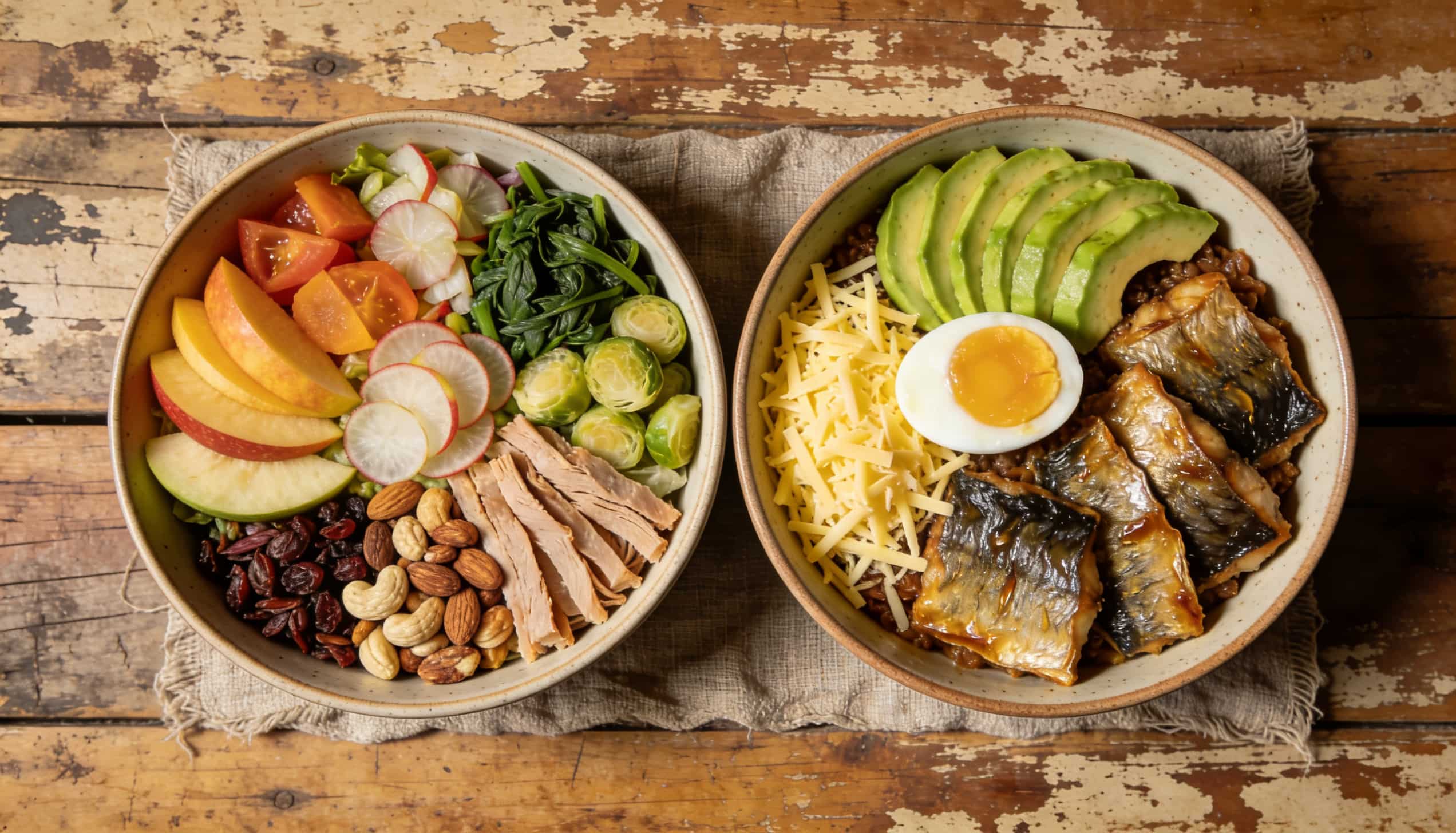
Rather than treating each diet separately, here is a direct look at what each one genuinely offers and where each one falls short.
Benefits of the Paleo Diet
Paleo earns its reputation not from a single dramatic effect but from a consistent pattern of real improvements when it is followed properly.
- Reduces processed food intake: The paleo framework eliminates refined ingredients by design, not by willpower.
- Supports steady weight loss: Studies show reduced BMI and waist circumference among people who consistently follow paleo.
- Lowers triglycerides: The 2015 meta-analysis found measurable reductions in triglycerides on a paleo diet.
- Reduces blood pressure: The same research linked paleo to lower blood pressure across multiple study populations.
- Supports gut health: A diet heavy in vegetables, lean meats, and natural fats can improve gut microbiome diversity.
- No macro tracking required: This alone makes paleo more accessible for people who find calorie or macro counting stressful or unsustainable.
- More food variety: You can eat a wide range of fruits, vegetables, proteins, and healthy fats without hitting a ceiling.
- May reduce inflammation: Paleo’s focus on whole foods and its elimination of grains and processed ingredients is associated with lower inflammatory markers in some research.
Drawbacks of the Paleo Diet
Paleo has real limitations. Being honest about them is the only way to know if it is right for you.
- It can be expensive: Grass-fed meat, wild-caught fish, and organic produce carry a higher price tag than standard grocery options.
- Nutrient gaps are possible: Cutting dairy removes a major source of calcium. Cutting grains removes B vitamins and certain minerals. Planning is required.
- Eliminating legumes cuts a healthy food group: Beans and lentils are genuine sources of plant protein and fiber; removing them is not without cost.
- Long-term research is still limited: The American Heart Association has noted that both paleo and keto lack long-term clinical data to confirm their safety and effectiveness over decades.
- Social eating is harder: Paleo rules eliminate most restaurant bread baskets, desserts, and grain-based sides, which can make dining out more complicated.
- Higher saturated fat, lower fiber: The AHA flagged that both diets are high in saturated fat and relatively low in dietary fiber, two factors associated with cardiovascular risk when sustained long term.
Benefits of the Keto Diet
Keto’s appeal goes beyond weight loss. When followed correctly, the metabolic shift it produces has documented clinical value.
- Fast early weight loss: Ketosis suppresses appetite and directly promotes fat burning, producing measurable results in the first few weeks.
- Significant blood sugar reduction: Very low-carb intake lowers blood glucose levels quickly and improves insulin sensitivity in people with type 2 diabetes.
- Reduces seizure frequency: The keto diet was developed as a medical tool for epilepsy and remains clinically recommended for drug-resistant cases by Johns Hopkins Medicine.
- Increases HDL cholesterol: Research shows keto can raise good cholesterol levels while reducing triglycerides and blood pressure.
- Appetite control: High-fat intake signals fullness more effectively than carbohydrate-heavy meals, which naturally reduces overall calorie consumption.
- May support neurological health: Emerging research suggests potential benefits for conditions such as Parkinson’s disease, though this area is still in its early stages.
Drawbacks of the Keto Diet
Keto is one of the more demanding diets to do correctly. Its downsides are real and worth understanding before you start.
- Keto flu is real: The first one to two weeks on keto often bring fatigue, headaches, brain fog, and digestive discomfort as the body adjusts to burning fat instead of carbs.
- Strict daily tracking: Missing your macro targets, even slightly, can break ketosis. This requires daily vigilance that many people find exhausting over time.
- Nutrient deficiencies are common: Cutting most fruits, grains, and legumes reduces fiber intake and lowers key micronutrient levels, including magnesium, selenium, phosphorus, and vitamins B and C.
- Harder on the liver and kidneys: Metabolizing high levels of dietary fat puts an additional load on the liver. High protein intake over time can stress the kidneys.
- Difficult to sustain socially: The American Heart Association has described keto as “highly restrictive and difficult for most people to stick with long term”, and that difficulty is amplified in social eating situations.
- Not appropriate for everyone: People with kidney disease, liver conditions, or a history of disordered eating should not follow keto without direct medical supervision.
Which Diet Is Easier to Stick To?
Paleo wins this comparison for the majority of people, and the reason is straightforward: it gives you more to eat.
You can have fruit, starchy vegetables, and a wide range of proteins without hitting a hard daily ceiling. You can eat at a restaurant and find something that works. You are not restarting your progress every time a dinner party involves bread. Keto, on the other hand, demands precision.
Even one high-carb meal can knock you out of ketosis and require several days to re-enter fat-burning mode. The American Heart Association’s 2023 diet ranking, published in the journal Circulation, rated both diets as “highly restrictive,” but keto was noted as especially difficult to maintain long term.
Adherence is everything. The best diet is the one you can keep following six months from now, not just this week.
Can You Combine Paleo and Keto?
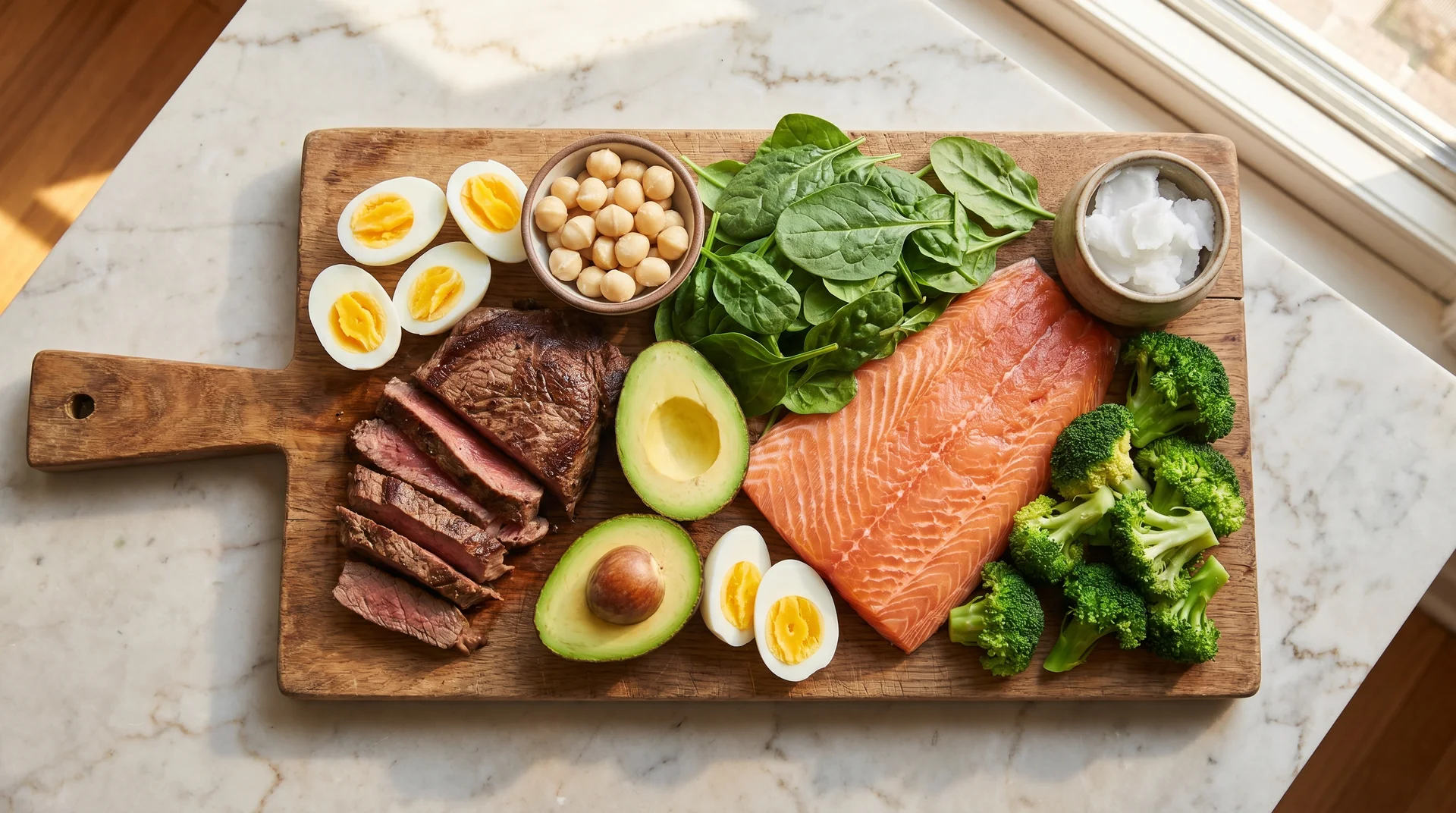
Yes, and the combined approach is often called “keto-paleo.” The idea is straightforward: you follow keto’s macro structure, very low-carb, high-fat, while applying paleo’s food-quality rules. In practice, that means:
- Grass-fed and pasture-raised meats only
- Wild-caught fish and seafood
- Eggs, avocados, nuts, seeds, and coconut oil
- Non-starchy vegetables as your main carb source
- No dairy, no grains, no legumes, no processed foods, and still under 50 grams of carbs per day
This is the strictest version of either diet. It excludes the most common keto foods (cheese, cream, butter) yet still requires full macro tracking. That said, it suits people who want the metabolic effects of ketosis without the processed-food shortcuts that some keto followers lean on.
If you are already dairy-free on keto, you are essentially doing a version of this already. The key trade-off is that keto-paleo requires more planning, more food prep, and a higher grocery budget than either diet alone.
Who Should Choose Paleo? Who Should Choose Keto?
Paleo is a better fit if you want a flexible, whole-food eating pattern that you can follow without daily tracking, that works in social situations, and that supports long-term health without extreme restriction.
It suits people who are active, need natural carb sources for physical performance, are dairy-sensitive, or simply want to stop eating processed food without having to build their lives around a spreadsheet.
Keto makes more sense if you are chasing faster, measurable metabolic results, particularly for blood sugar management or early weight loss, and you are prepared to track your food, manage your electrolytes, navigate social eating with discipline, and commit to a strict daily structure. Neither diet is better in absolute terms.
The right choice depends entirely on what you can realistically maintain, your specific health goals, and whether you have medical conditions that should be discussed with a doctor or registered dietitian before you change your eating habits.
Final Verdict
When it comes to the paleo diet vs. keto, neither one holds a universal advantage. Paleo offers flexibility, variety, and a sustainable, long-term approach to eating well.
Keto provides a structured, metabolically precise approach that can deliver faster results, especially for blood sugar control and early weight loss. Both require planning, and neither is nutritionally complete without some thought.
Your lifestyle, health history, and ability to stay consistent matter more than which diet looks better on paper. If you want to keep building on this, check out our nutrition guides on The Fitness Explorer.