Most sports feel too demanding once you reach your 60s or 70s. Your joints need care. Your body needs real time to recover.
Finding a sport that keeps you moving without putting you at risk feels harder than it should be.
Pickleball for seniors is the answer most older adults are looking for.
It is low-impact, social, and genuinely good for your heart, muscles, and balance. Research backs the benefits, and local clubs are more accessible than most people think.
This post walks you through what the sport is, what it does for your body, and how to start playing.
What Is Pickleball?
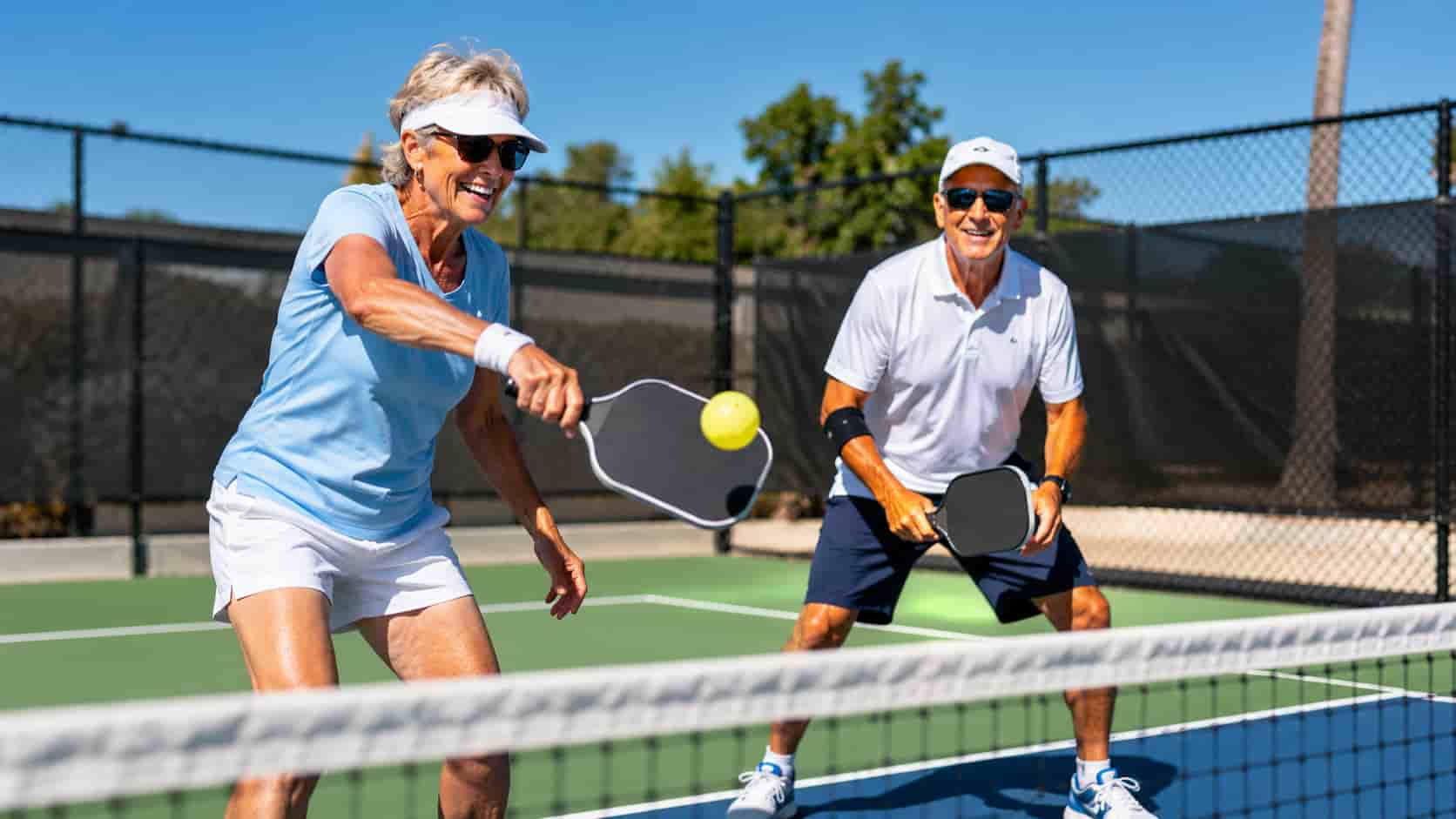
Pickleball is a paddle sport that combines elements of tennis, badminton, and ping-pong, played on a court roughly one-quarter the size of a standard tennis court.
Players use a solid paddle and a perforated plastic ball. The ball is similar to a wiffle ball, and the net sits slightly lower than a tennis net. Games run to 11 points, won by at least 2, and can be played as singles or doubles. Doubles is by far the most popular format, especially among older players.
The sport was created in 1965 on Bainbridge Island, Washington. It has since grown to more than 4.8 million active players across the United States, according to USA Pickleball.
Is Pickleball Good Exercise for Seniors?
Pickleball is a great workout for seniors, and the numbers back that up. A 30-minute session burns between 250 and 350 calories, depending on body weight and pace of play. The sport keeps your heart at a moderate-intensity pace.
This fits directly into the American Heart Association’s recommendation of 150 minutes of moderate activity per week for adults. Each game works the legs, arms, and core through repeated rallies, lateral steps, and paddle swings.
For seniors seeking consistent physical activity without the punishing demands of high-impact sports, pickleball delivers real results.
Health Benefits of Pickleball for Seniors
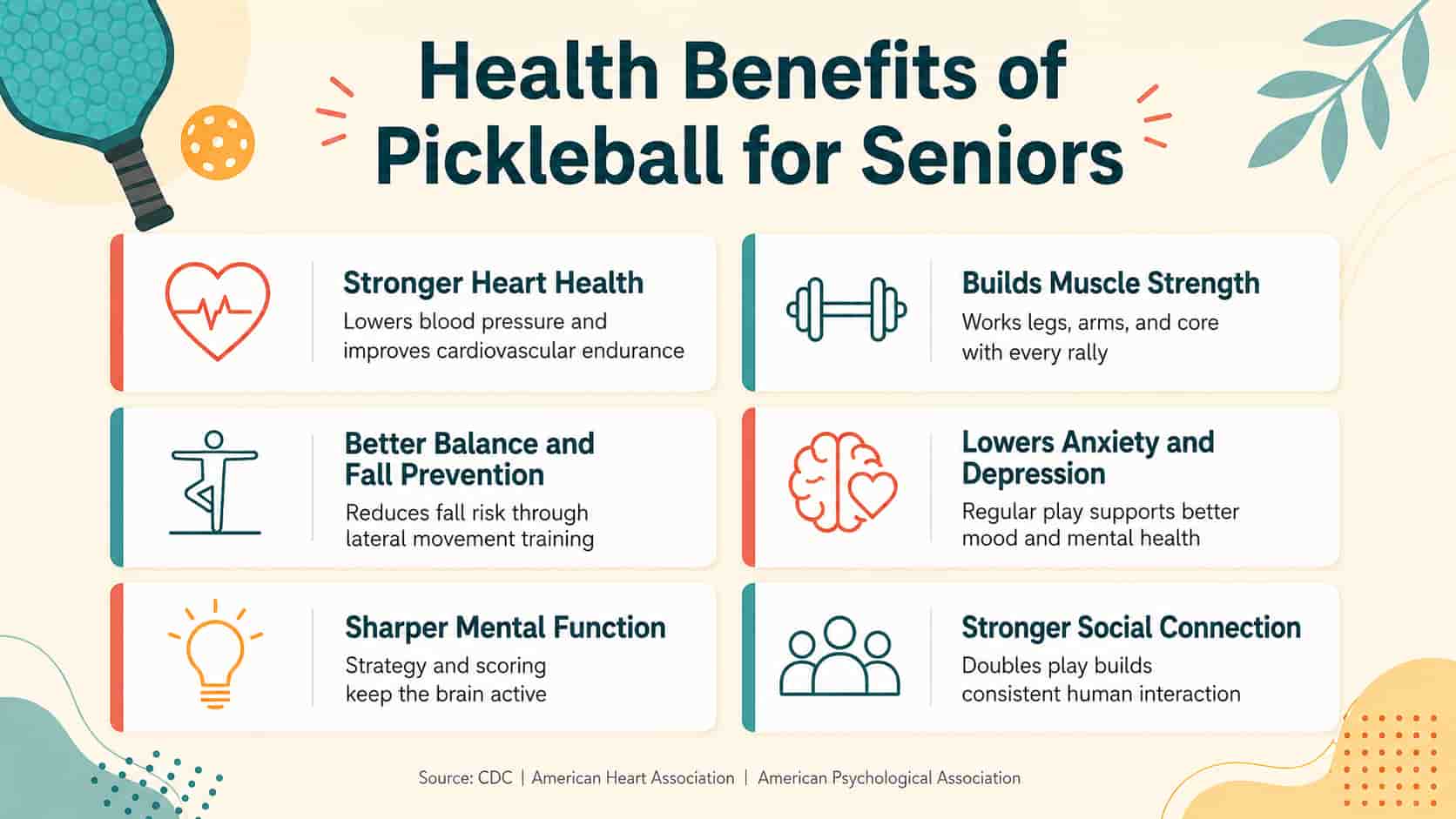
Pickleball does more for your body than most people expect from a sport played on a compact court. Here is what older adults actually gain from regular play.
- Stronger heart health: Regular sessions keep the heart at a healthy, sustained pace and can lower resting blood pressure over time.
- Increased muscle strength: Footwork, paddle swings, and lateral movement build strength in the legs, core, and arms without overloading joints.
- Better balance and fall prevention: Constant direction changes and weight shifts train the body’s balance response, reducing fall risk, a top priority for adults 65 and older, according to the CDC.
- Lower anxiety and depression: The American Psychological Association links consistent physical activity to measurable drops in depression and anxiety symptoms.
- Sharper mental function: Reading opponents, tracking scores, and adjusting strategy mid-game keep the brain active in ways that matter as you age.
- Stronger social connection: Regular doubles play and local leagues build consistent human contact, which research ties to better emotional and cognitive health in older adults.
Is Pickleball Safe for Seniors?
Pickleball is generally safe for older adults, and its injury rate sits well below that of tennis or racquetball. The smaller court reduces the amount of running required.
The slower ball speed gives players more time to react and position themselves. Most injuries, such as wrist strains and ankle sprains, can be reduced with proper court shoes and a lightweight paddle. A five-minute warm-up before each session also helps.
Seniors with heart conditions, joint replacements, or chronic balance issues should check with their doctor before starting. Most people in average health, including those with mild arthritis, can play at their own pace with minimal risk.
Pickleball vs. Other Popular Sports for Seniors
Picking the right sport in your later years is a real decision. Here is how pickleball compares to the sports most commonly played by older adults.
| Factor | Pickleball | Tennis | Golf | Swimming |
|---|---|---|---|---|
| Court or space size | Small (20×44 ft) | Large (78×36 ft) | Large outdoor course | Pool required |
| Running required | Low | Moderate to high | Low (walking) | None |
| Joint impact | Low | Moderate to high | Low | Very low |
| Learning curve | Short (a few sessions) | Longer | Long | Moderate |
| Cardio benefit | Moderate to high | High | Low to moderate | High |
| Social interaction | High (doubles) | Low to moderate | Moderate | Very low |
| Equipment cost | Low ($30 to $120) | Moderate | High | Low to moderate |
What Equipment Do Seniors Need to Play Pickleball?
Getting the right gear from the start improves the experience and reduces the risk of early injuries. You do not need much, but what you choose does matter.
1. The Paddle
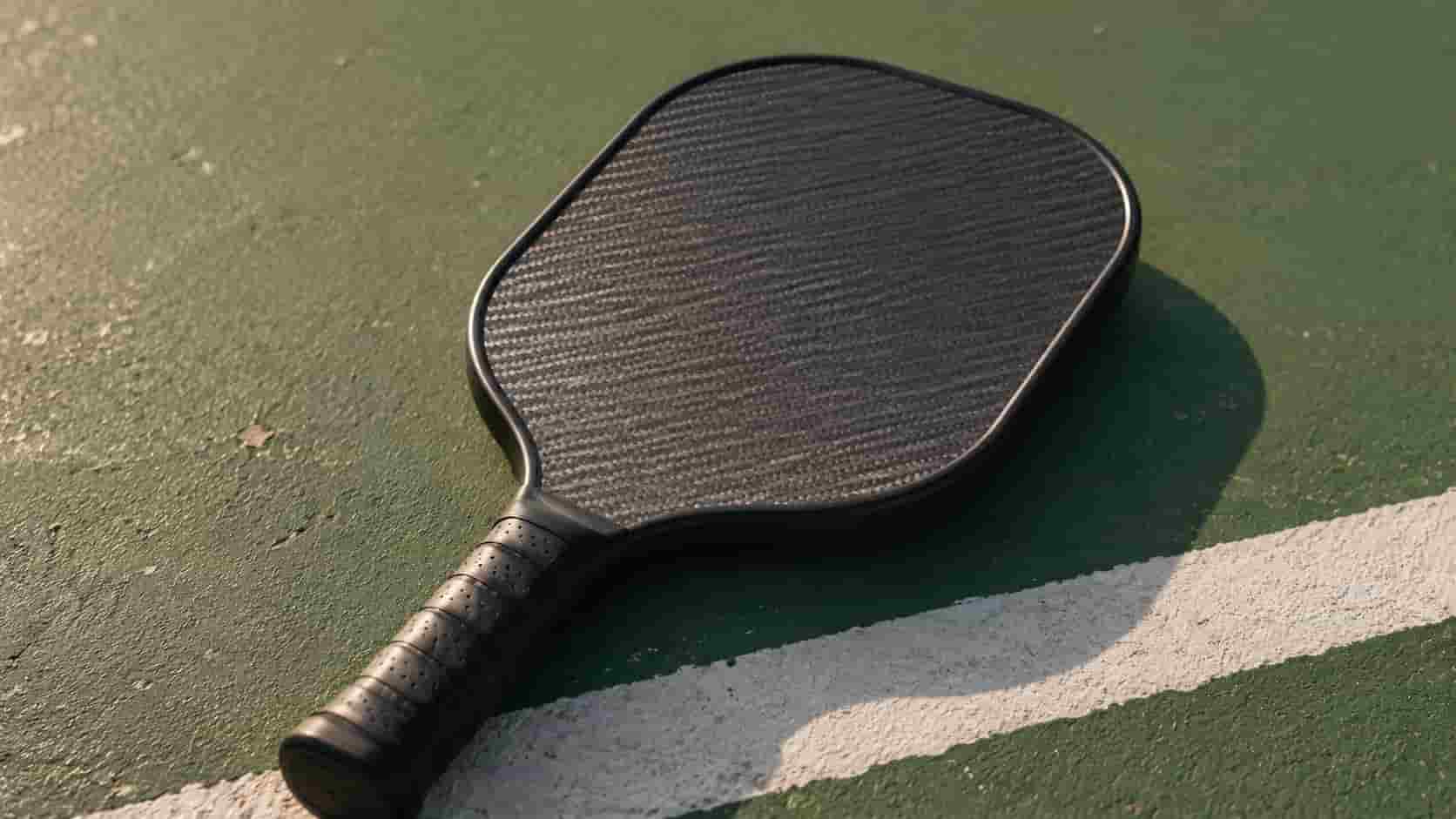
For seniors, a lightweight paddle in the 6.5-7.5 oz range is the right starting point. Graphite and composite materials put far less strain on the wrist and elbow than heavier wood paddles.
A wider face also gives you a larger sweet spot, which is especially helpful when you are still building shot consistency. Budget between $40 and $100 for a solid beginner option.
2. The Ball
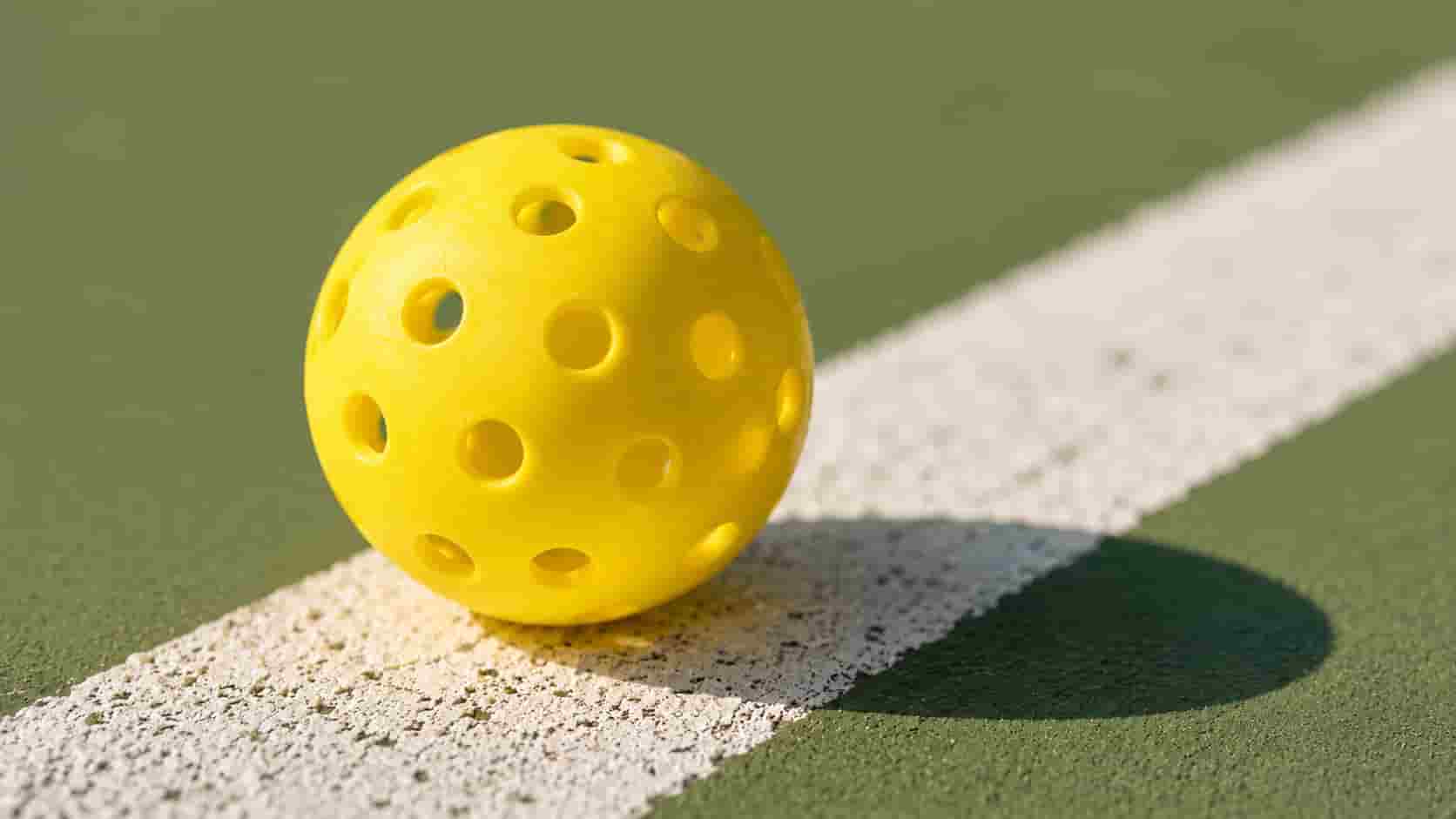
Indoor pickleball balls have larger holes, move more slowly, and give beginners more time to react. Outdoor balls are denser and faster, better suited for more experienced players or windy conditions.
Most senior beginner sessions use indoor balls. A six-pack costs roughly $10 to $18 and lasts several months with regular use.
3. Footwear
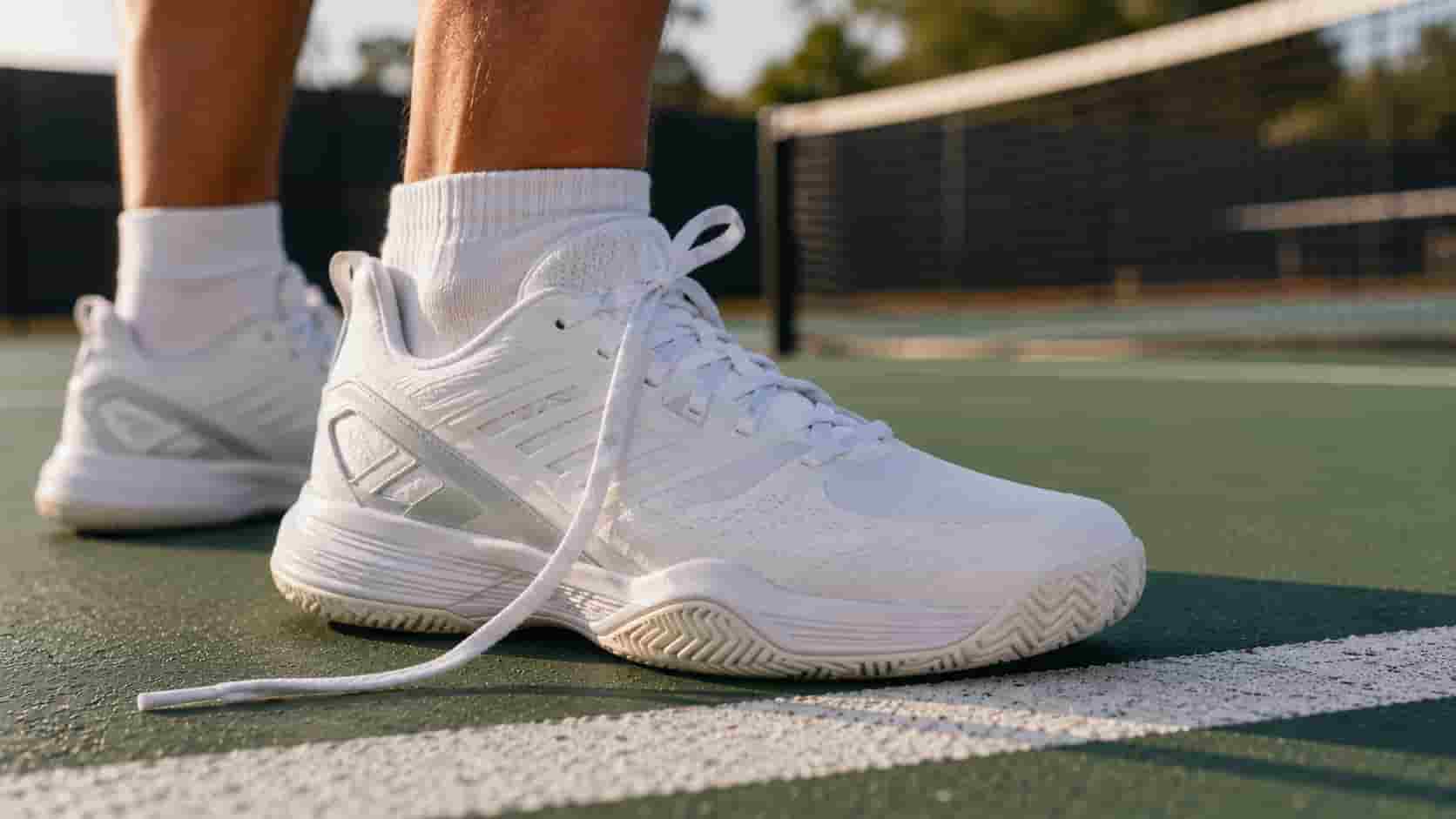
Court shoes are not optional. Running shoes lack the lateral ankle support pickleball requires and are a leading cause of ankle sprains among new players. Look for shoes built for court sports, including tennis or pickleball-specific designs.
A good pair costs between $55 and $100 and is one of the most worthwhile investments you can make before your first game.
4. Optional Gear
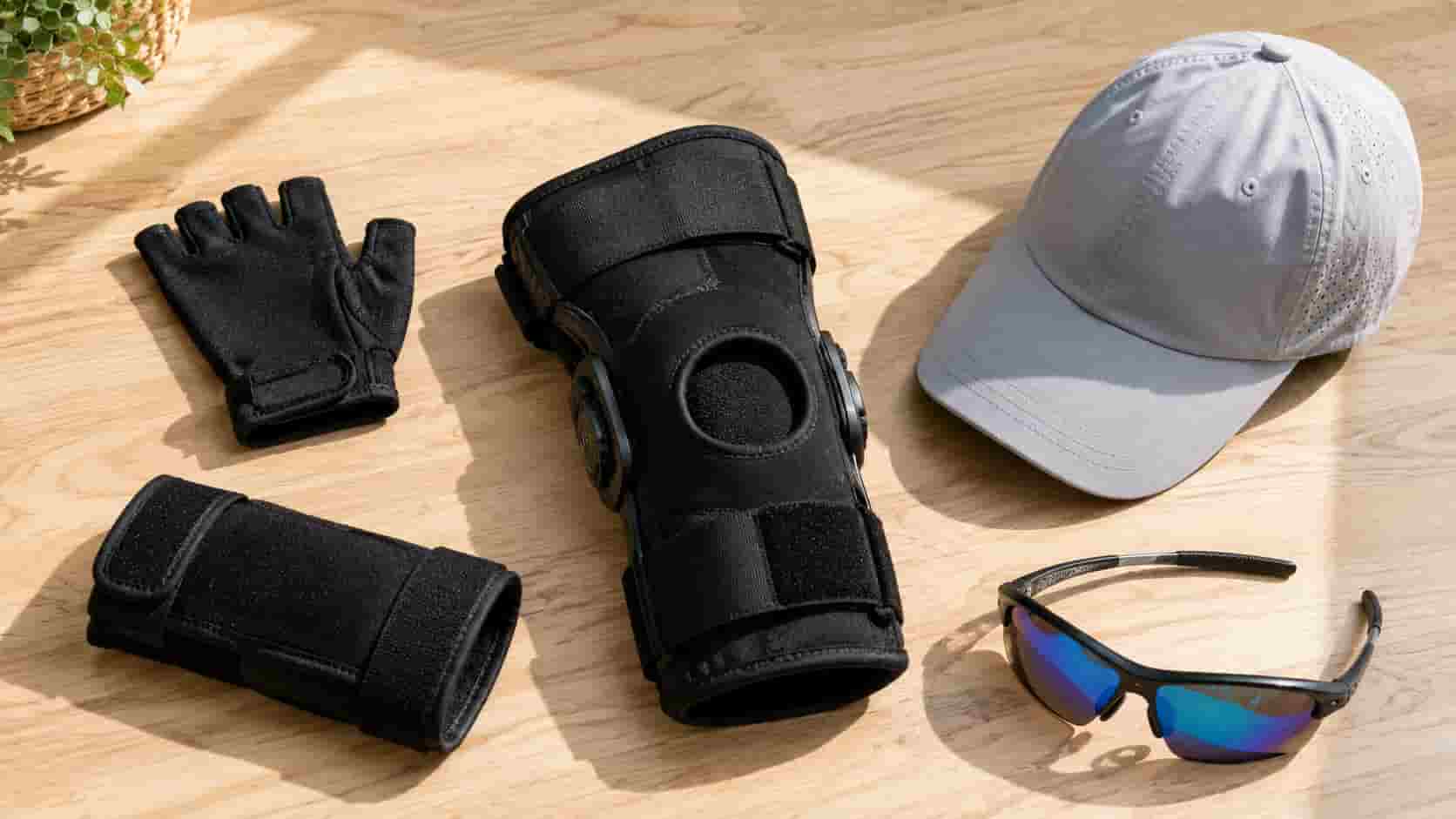
Seniors with grip challenges may find a pickleball glove useful, as it improves control and helps prevent the paddle from slipping mid-swing.
A knee or ankle brace adds support if you have had prior injuries in those areas. For outdoor play, sunglasses and a light cap make a real difference in longer sessions.
Pickleball Organizations and National Clubs for Seniors in the USA
Pickleball for seniors now has a strong organizational network across the United States. USA Pickleball is the national governing body and the best place to start.
Their website has a searchable court locator by zip code, official rules, player ratings, and a full club directory. For competition, the National Senior Games Association (NSGA) runs pickleball as part of its Senior Olympics program. Age divisions run from 50 all the way through 85 and older.
AARP has partnered with USA Pickleball to offer free and low-cost clinics for adults 50 and older in select states. Beyond those, most YMCAs, recreation centers, and 55-plus communities now run weekly senior leagues and drop-in sessions throughout the year.
How to Find Local Pickleball Groups Near You
Finding a local senior pickleball group is usually faster than most people expect. Active communities exist in most cities, and they are genuinely welcoming to complete beginners.
- USA Pickleball court locator: Visit usapickleball.org/places-to-play and search by zip code to find nearby courts, open play times, and club contacts.
- Meetup.com: Search for “pickleball seniors [your city]” to find active groups that meet on a regular schedule.
- Facebook groups: Search for “[your city] senior pickleball” to find communities that post daily schedules and open-session announcements.
- Parks and recreation department: Call your local department and ask about senior-designated pickleball hours, often held on weekday mornings.
- Your nearest YMCA: Most YMCAs now run pickleball programs and can direct you to open play times or beginner groups.
- Local senior centers: Most city and county senior centers offer free pickleball sessions two to three times per week, with no registration required.
How to Get Started with Pickleball as a Senior?
Starting is simpler than most people assume. You do not need any prior experience or equipment to show up for your first session.
The best first step is to attend a free drop-in at your local YMCA, recreation center, or senior center. Loaner paddles are usually available at most of them. Watch a few games before joining in, since understanding the basic flow saves a lot of early confusion.
Learn the kitchen rule first. The non-volley zone near the net is where most beginner mistakes happen. Start with doubles, which halves your required court coverage. Keep your first few sessions to 20 to 30 minutes.
If you have a heart condition or serious joint issues, speak with your doctor before your first game.
The Takeaway on Pickleball for Seniors
Pickleball for seniors is more than a passing trend. It fits the real needs of older adults: low impact, strong social value, and real, lasting health results.
You get heart benefits, stronger muscles, better balance, and mental sharpness. All from a game you can start today without any prior experience.
Find a local club through USA Pickleball, your nearest YMCA, or your city’s parks and recreation department.
Grab a lightweight paddle, put on proper court shoes, and show up to your very first open play session. The court is smaller than you think. The reward is bigger than you expect
Frequently Asked Questions
Can a 70-year-old play pickleball?
Yes. USA Pickleball has competitive divisions specifically for players in their 70s, and many recreational players enjoy regular sessions well into their 80s and beyond.
Who should not play pickleball?
Seniors with acute joint injuries, uncontrolled heart conditions, severe balance disorders, or very recent surgeries should get medical clearance before playing.
Is pickleball good for AFIB?
Moderate exercise can be safe for some people with AFIB, but this varies by person and condition. Always consult your cardiologist before starting.
Can you play pickleball with plantar fasciitis?
Some players manage it with supportive court shoes and orthotic insoles, but active flare-ups often make play uncomfortable. Rest and proper footwear adjustments come first.
What is the number one injury from pickleball?
Wrist fractures and strains are the most commonly reported injuries, often from falls or bracing. Proper court shoes and careful footwork go a long way toward lowering this risk.