Pre-workout meals are foods eaten before exercise to supply your muscles with energy, reduce breakdown, and maintain blood sugar levels during training.
They can be a full meal eaten 2 to 4 hours before a session, or a light snack consumed 30 to 60 minutes before. The right choice depends on your workout type, the time available, and your fitness goal.
What you eat before training directly shapes how your body performs, how quickly it recovers, and how well it responds to the effort you put in.
This guide covers the best foods, timing strategies, goal-specific meal choices, and Foods to avoid to help you get more out of every session.
How Pre-Workout Meals Affect Performance
Your muscles run on glycogen, the stored form of carbohydrates found in your liver and muscles. When you train, your body draws on those stores first. If they are low at the start, energy fades early, focus drops, and the quality of the session suffers.
A 2013 study published in theJournal of the International Society of Sports Nutrition found that consuming protein and carbohydrates before resistance training improved both performance output and muscle protein synthesis compared to training in a fasted state.
Eating before training produces measurable benefits:
- Glycogen stores are topped up, so sustained effort stays within reach.
- Blood sugar remains stable, reducing the risk of dizziness or mid-session fatigue.
- Muscle tissue breaks down less during the workout.
- Mental clarity and drive hold up through the full session.
Skipping food before a hard session is not a neutral choice. Your body still needs fuel. When it does not get it from food, it starts pulling from muscle tissue instead.
Pre-Workout Meal Timing
Getting the food right is only part of the equation. Eating at the wrong time reduces the benefit, even if the meal itself is well chosen. The table below shows how timing affects what and how much to eat.
| Time Before Training | Meal Size | Focus | Example |
|---|---|---|---|
| 3 to 4 hours | Full meal | Carbs, protein, moderate fat | Chicken, brown rice, and vegetables |
| 1.5 to 2 hours | Medium snack or light meal | Carbs and protein, low-fat | Greek yogurt with berries and honey |
| 30 to 60 minutes | Small snack | Simple carbs, minimal protein | Banana with peanut butter |
| Under 30 minutes | Very small or nothing | Fast carbs only if needed | A few dates or a small glass of juice |
Eating too close to training with a large meal is one of the most common issues people run into. Digestion takes time, and when your stomach is still working on a heavy meal, the blood flow your muscles need is redirected to the gut instead.
The Best Macronutrients for a Pre-Workout Meal
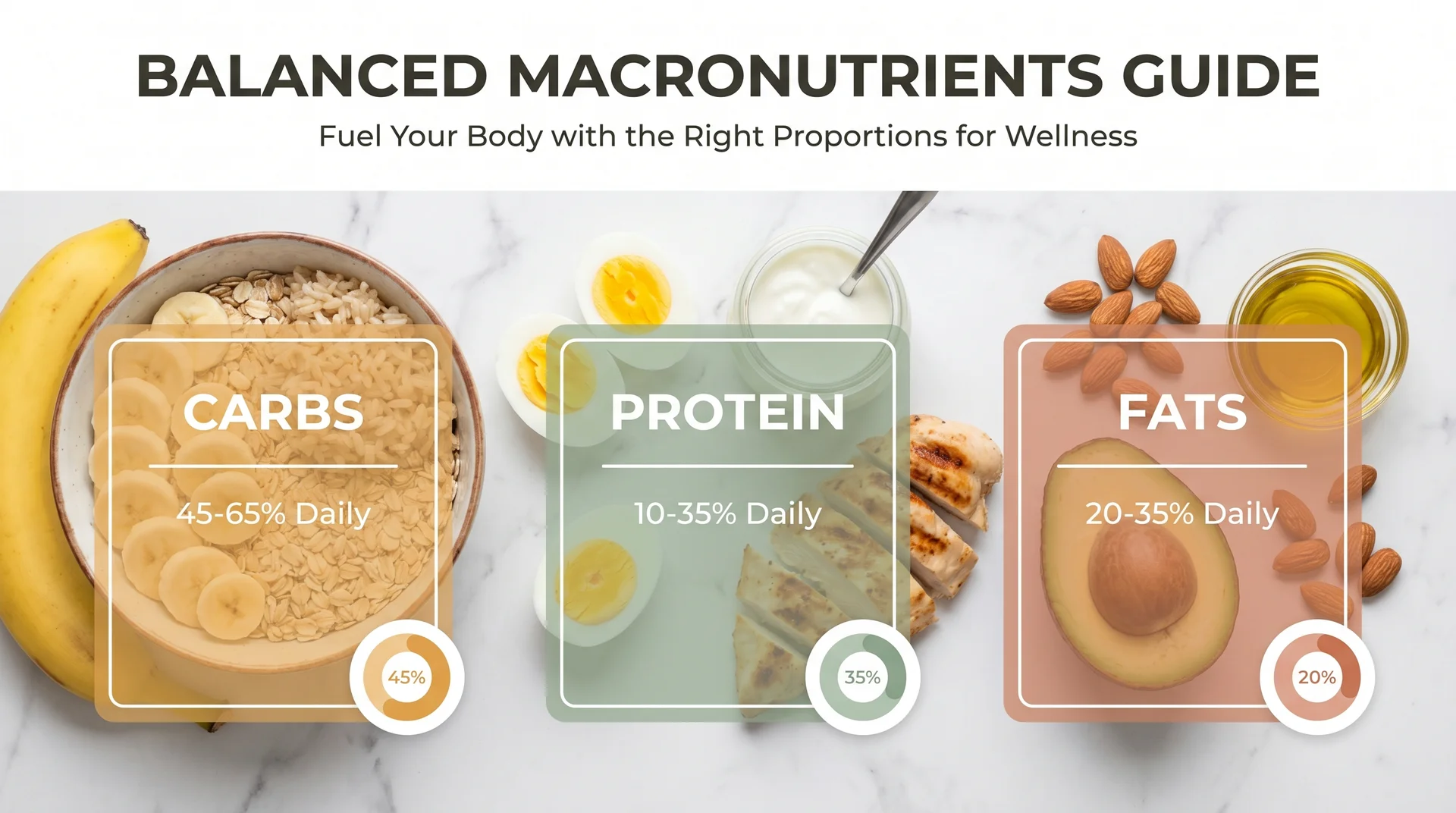
Every effective meal before training is built around three macronutrients. Each one serves a different purpose.
1. Carbohydrates
Carbohydrates are the most important macronutrient to include before exercise. They replenish glycogen stores and provide your muscles with fast, readily available fuel during training.
Two types to know:
- Complex carbs (oats, brown rice, sweet potatoes): digest slowly, best eaten 2 to 3 hours before training.
- Simple carbs (banana, white rice, honey): digest fast, best eaten 30 to 60 minutes before training.
The American College of Sports Medicine recommends 1 to 4 grams of carbohydrates per kilogram of body weight before exercise, depending on timing and session intensity.
2. Protein
Protein before a workout does not work as quickly as fuel. It slows muscle protein breakdown during training and activates repair early.
Best sources: eggs, Greek yogurt, chicken breast, cottage cheese, protein powder.
The target amount: 20 to 40 grams before a session covers what most people need.
Protein digests more slowly than carbs. Pairing it with a carb source works better than eating it alone, especially close to training time.
3. Fats
Fats slow digestion. A moderate amount is fine in a full meal eaten 3 to 4 hours before training. The body has enough time to process it.
The problem comes when fat intake is high in the 60 minutes before exercise. The stomach feels heavy, digestion competes with performance, and output drops.
Good sources: avocado, nuts, nut butter, olive oil.
Rule of thumb: the closer you eat to your session, the lower your fat intake should be.
Best Pre-Workout Foods to Eat
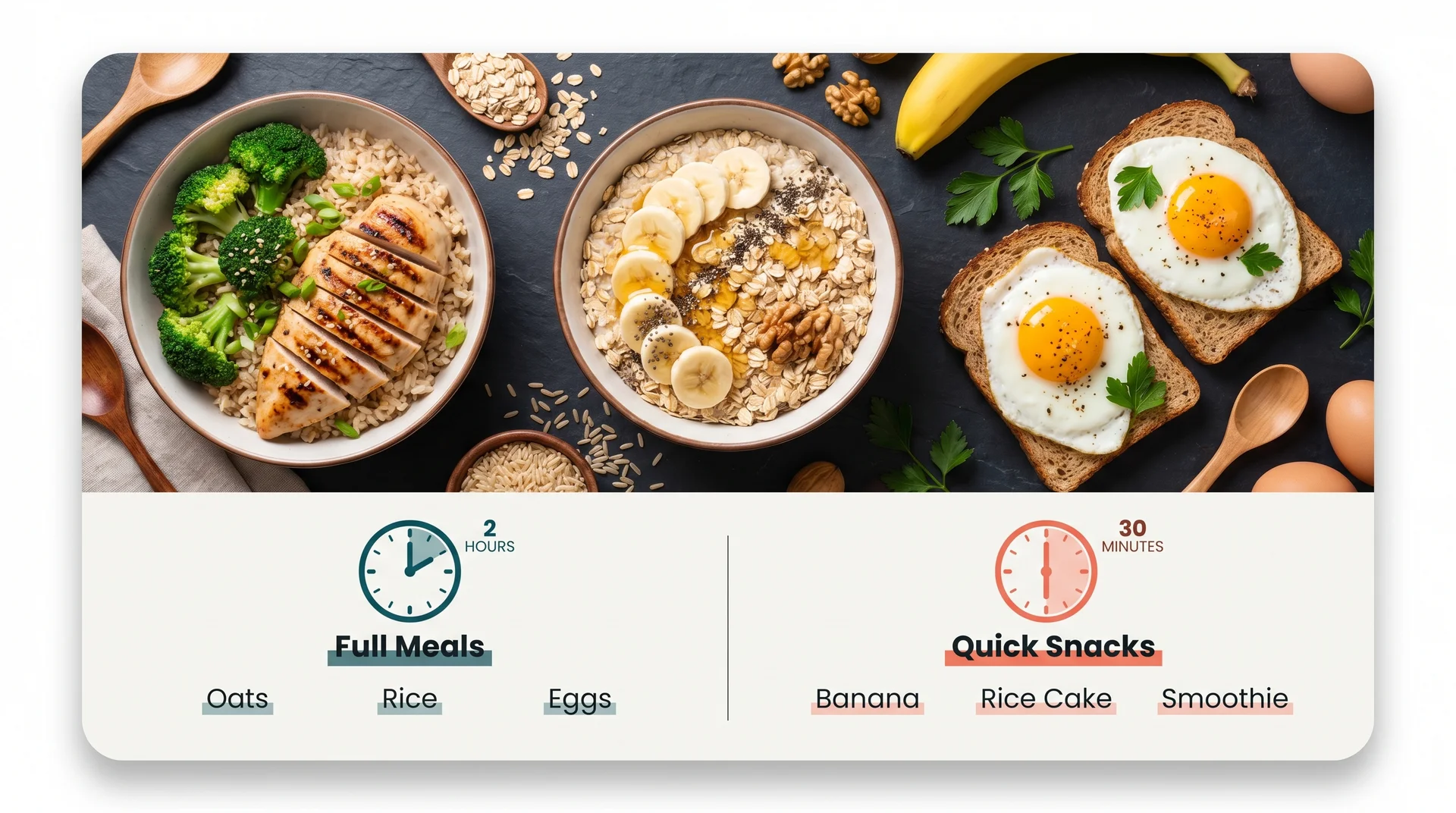
What you eat before exercise can affect your energy, endurance, and recovery. Choosing the right foods helps support better performance and keeps you feeling stronger throughout your workout.
Whole Food Meals (Best 1.5 to 3 Hours Before Training)
A meal in this window should be balanced, easy to digest, and built around a clear carb and protein base.
- Oatmeal with banana and Greek yogurt gives you slow-releasing carbs from oats, fast carbs from the banana, and protein from the yogurt. It is one of the most practical options before a mid-morning or lunchtime session.
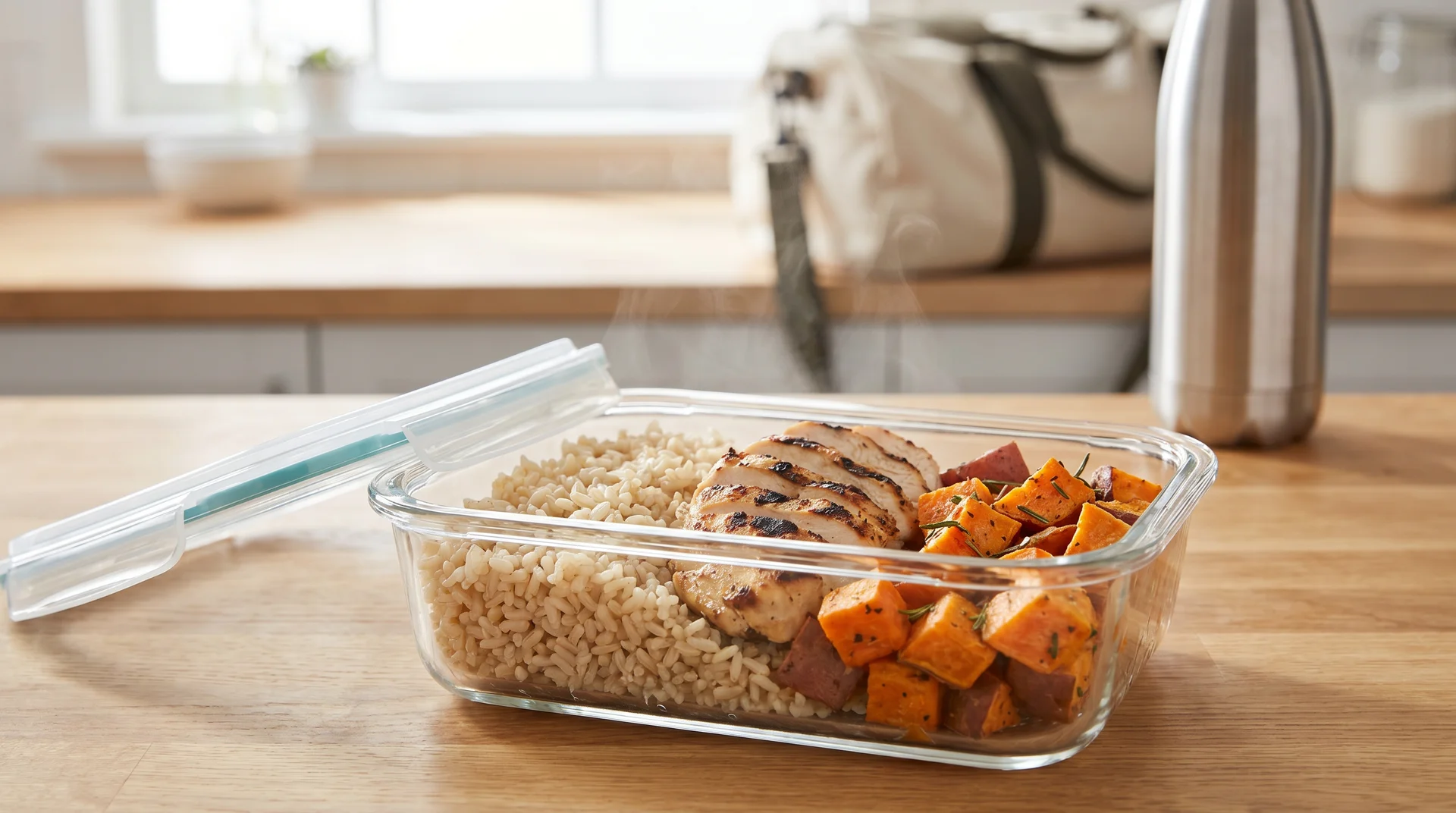
- Brown rice with grilled chicken and steamed vegetables is a clean, filling combination that provides complex carbs for fuel, complete protein for muscle support, and micronutrients from the vegetables. It works well as a pre-workout lunch before an evening session.
- Whole-grain toast with scrambled eggs and half an avocado offers slightly higher fat from the avocado, which makes it better suited to a meal eaten 2.5 to 3 hours before training rather than closer to training.
- Sweet potato with ground turkey and a small side salad is a strong option for people who want variety. Sweet potato is high in carbohydrates and digests well, and turkey provides a lean, complete protein source.
- Whole-grain pasta with chicken in a light tomato sauce works especially well before long endurance sessions. The pasta loads glycogen stores effectively, and the chicken maintains the protein base.
Quick Snack Options (Best 30 to 60 Minutes Before Training)
When there is not enough time for a full meal, a small, fast-digesting snack keeps energy available without sitting heavily in the stomach.
- A banana with a tablespoon of peanut butter is a reliable go-to. The banana provides quick carbohydrates, and the peanut butter adds a small amount of protein and fat to slightly slow the release of sugar.
- A slice of white toast with honey is one of the simplest options. White bread digests faster than whole-grain bread, and honey provides a quick glucose boost. It fits well when you have 30 minutes or less before training.
- A rice cake with a thin spread of almond butter is light, low-volume, and easy on the stomach. It delivers simple carbs with just enough protein and fat to hold energy steady.
- A small fruit smoothie with a scoop of protein powder digests faster than solid food. A blend of banana, berries, and milk or water with protein powder gives a well-rounded, quick option.
- A handful of raisins with a boiled egg requires no prep and delivers simple sugars alongside a complete protein source. Keep snacks small within 30 minutes of training. A large amount of food this close to a session increases the risk of stomach cramps, especially during high-intensity or core-heavy work.
Pre-Workout Meals by Workout Type
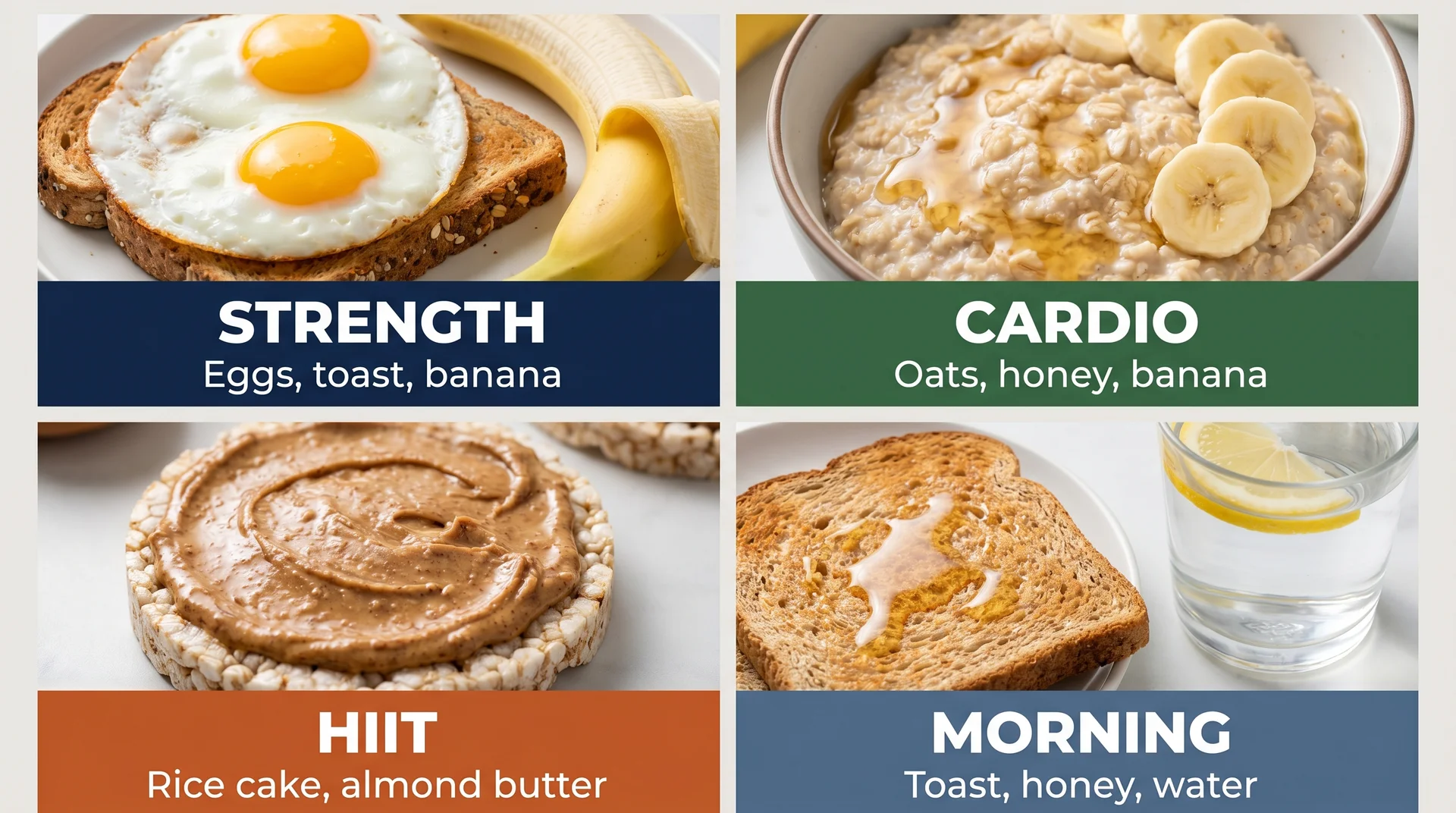
The type of training you do determines the kind of fuel your body actually needs. A single standard approach does not work equally well across different sessions, and adjusting your meal to match your workout type makes a noticeable difference over time.
1. Strength Training
Strength and resistance training place significant stress on muscle tissue and rely on both glycogen for energy and amino acids for muscle stability. A meal that provides carbs and protein, eaten 1.5 to 2.5 hours before lifting, gives the best setup for performance and muscle protection.
- Meal: 3 scrambled eggs with two slices of whole-grain toast and a small banana.
- Why it works: Eggs provide complete protein with all essential amino acids, toast gives complex carbs for sustained effort, and the banana adds fast-acting sugar for a final energy boost before the session begins.
2. Cardio and Endurance (Running, Cycling, Swimming)
Long aerobic sessions draw heavily on glycogen stores. The longer the session, the more important it is to start with stores that are fully topped up rather than partially depleted.
- Meal: Oatmeal with banana and a drizzle of honey, eaten 2 hours before. For sessions over 90 minutes, a small carb source, such as a piece of fruit or a sports drink, during training helps maintain output.
- Why it works: Oats provide sustained energy through slow digestion, bananas add quick carbs, and honey boosts glucose availability right before the session starts.
3. HIIT Workouts
High-intensity interval training burns through energy in short, powerful bursts. The body needs fuel that is already accessible, not sitting mid-digestion when the first interval begins.
- Snack: A rice cake with almond butter and a glass of water, eaten 45 to 60 minutes before.
- Why it works: Light enough to digest quickly, it delivers simple carbs with just enough protein to keep energy from crashing between intervals without adding stomach discomfort.
4. Morning Workouts: Fasted vs. Fed
Fasted training works for short sessions under 45 minutes and low-intensity activity like walking or yoga. Some research in the British Journal of Nutrition suggests fasted cardio may increase fat oxidation, though total calorie output remains comparable to fed training.
- If training fasted: Drink water before you start and keep the session under 45 minutes at moderate intensity.
- If eating before: A banana or a slice of toast with honey eaten 30 minutes prior is enough for a focused morning session.
The rule of thumb is straightforward: the harder and longer the session, the more important it is to eat something before it starts.
Pre-Workout Meals for Different Goals
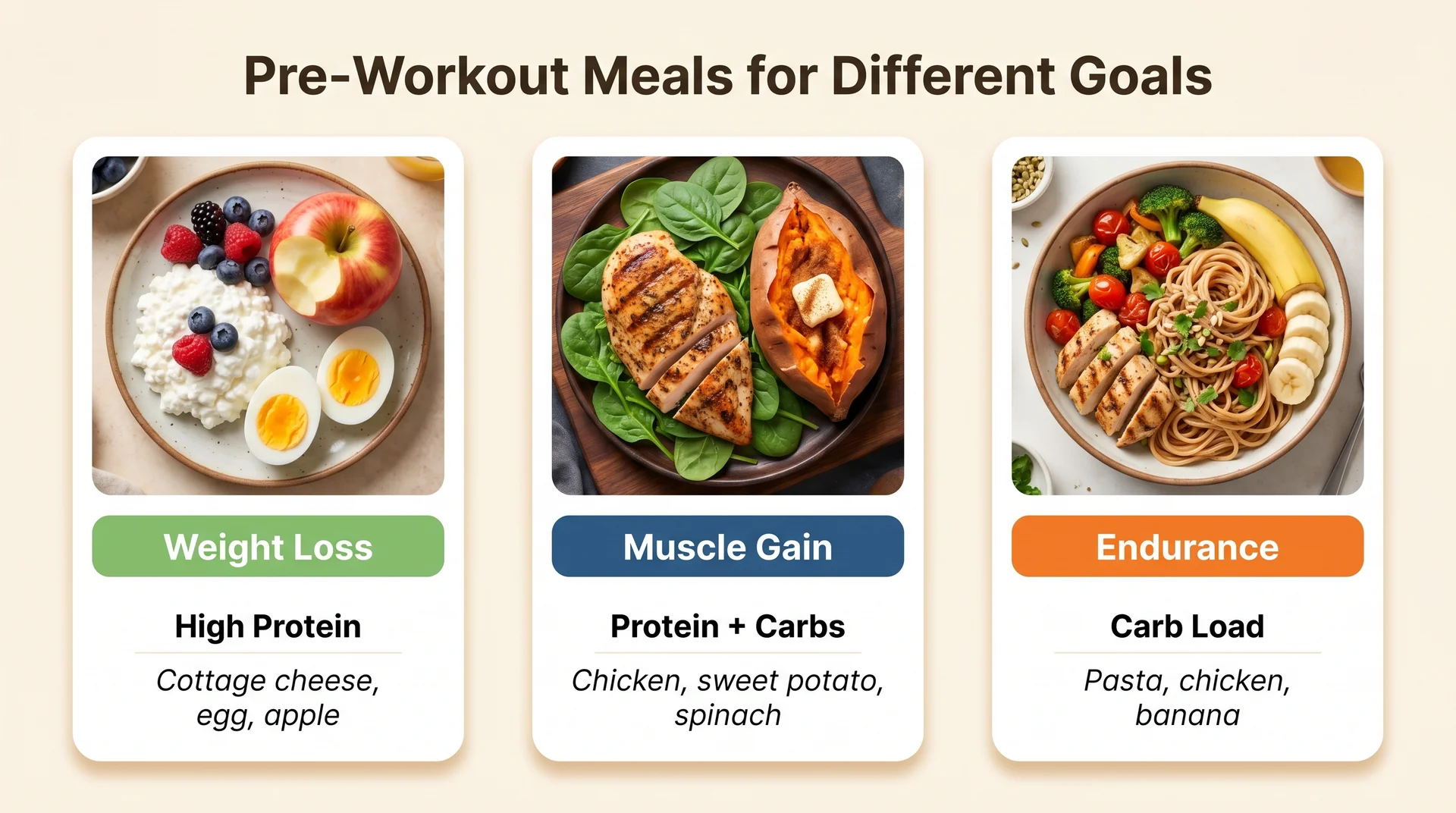
What you eat before training should align with what you are working toward. The same session can call for very different food depending on your specific goal, and matching the two produces better results than following a general plan.
1. For Weight Loss
Skipping food before exercise to cut calories often reduces performance more than it reduces weight. A low-energy session burns fewer calories overall and increases the risk of muscle loss during a calorie deficit. The priority is choosing foods that give enough fuel to train hard without excess calories.
- Meal (2 hours before): A bowl of cottage cheese with sliced cucumber, cherry tomatoes, and two rye crackers. Cottage cheese is high in casein protein, digests slowly, and helps manage hunger without excess carbohydrates.
- Snack (30 to 45 minutes before): One hard-boiled egg and a small apple. Simple, low-calorie, and well-balanced.
2. For Muscle Gain
Building muscle requires a consistent supply of both protein and carbohydrates around training. Eating before a session is part of creating the nutritional environment where muscle growth can actually happen. The focus is on volume and quality of food rather than restriction.
- Meal (2 to 2.5 hours before): 160 to 200 grams of grilled chicken breast with one large sweet potato and a side of steamed spinach. This covers complete protein, complex carbohydrates, and iron from the spinach, which supports oxygen delivery to muscles during training.
- Snack (45 minutes before): A slice of whole-grain bread with 2 tablespoons of peanut butter and 1/2 banana, adding extra carbs and protein without requiring any preparation.
3. For Energy and Endurance
Endurance performance depends on the level of glycogen stores at the start of the session. Running low on glycogen during a long effort can cause a significant decline in output, commonly described as “hitting the wall.” The strategy is carbohydrate loading in the hours before, paired with enough protein to protect muscle tissue across extended effort.
- Meal (3 hours before): A bowl of whole-grain pasta with grilled chicken and a light tomato-based sauce. Pasta is one of the most effective glycogen-loading foods available, and chicken keeps the protein base covered.
- Snack (30 minutes before): A banana and a small electrolyte drink to top off glucose and sodium levels just before the session starts.
Pre-Workout Supplements
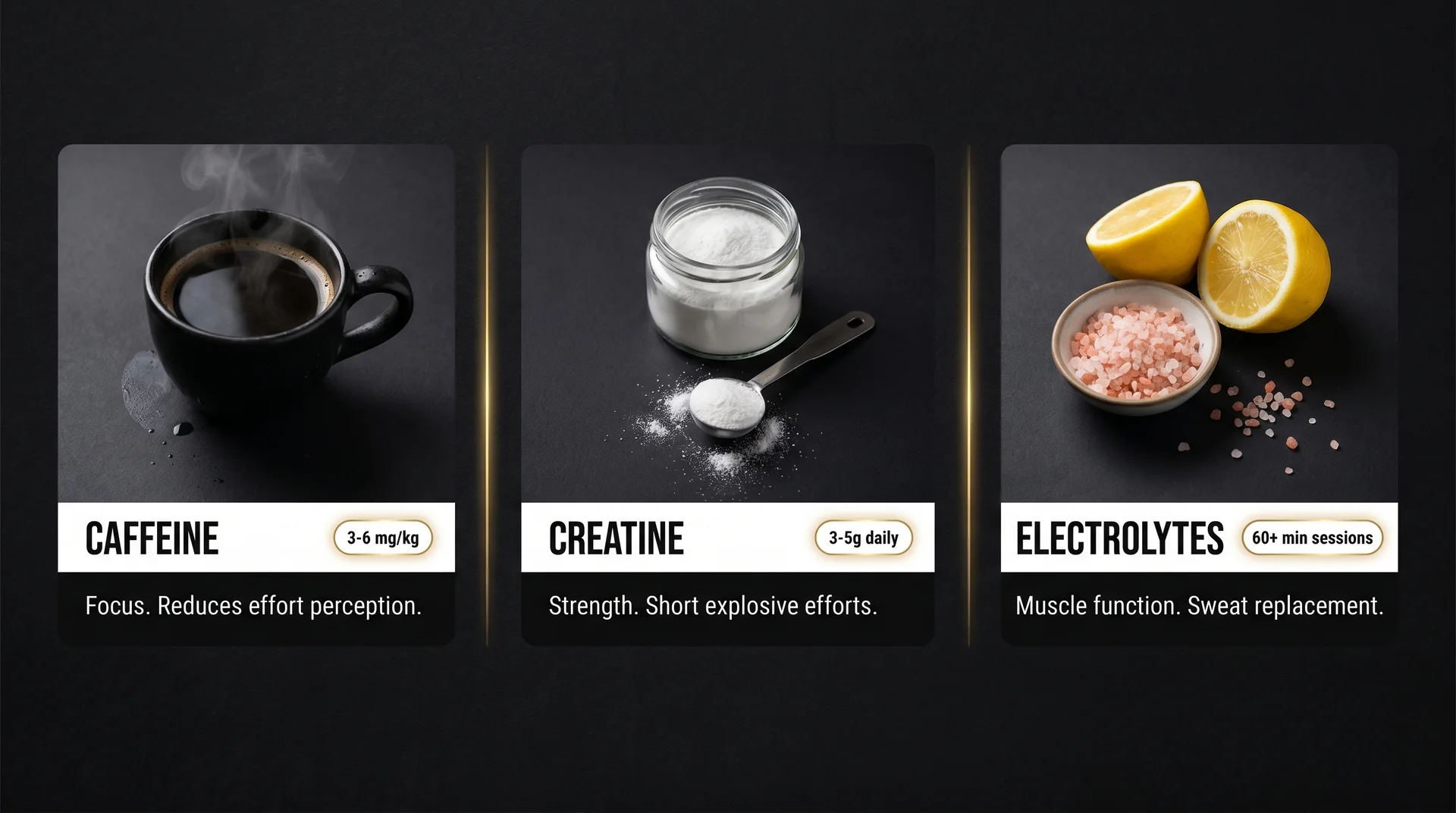
Whole food covers everything most people need before training. For those who want to go further, a few supplements have consistent evidence behind them.
Caffeine is the most researched option. Consuming 3 to 6 mg per kilogram of body weight 45 to 60 minutes before exercise improves focus, reduces perceived effort, and supports both strength and endurance output. A cup of black coffee works just as well as a dedicated pre-workout product.
Creatine monohydrate taken daily increases phosphocreatine stores in muscle, which supports high-intensity, short-duration efforts like sprinting or heavy lifting.
Electrolytes before sessions lasting over 60 minutes in warm conditions help maintain muscle function as sodium and potassium are lost through sweat. No supplement can replace well-timed, high-quality food.
Pre-Workout Hydration
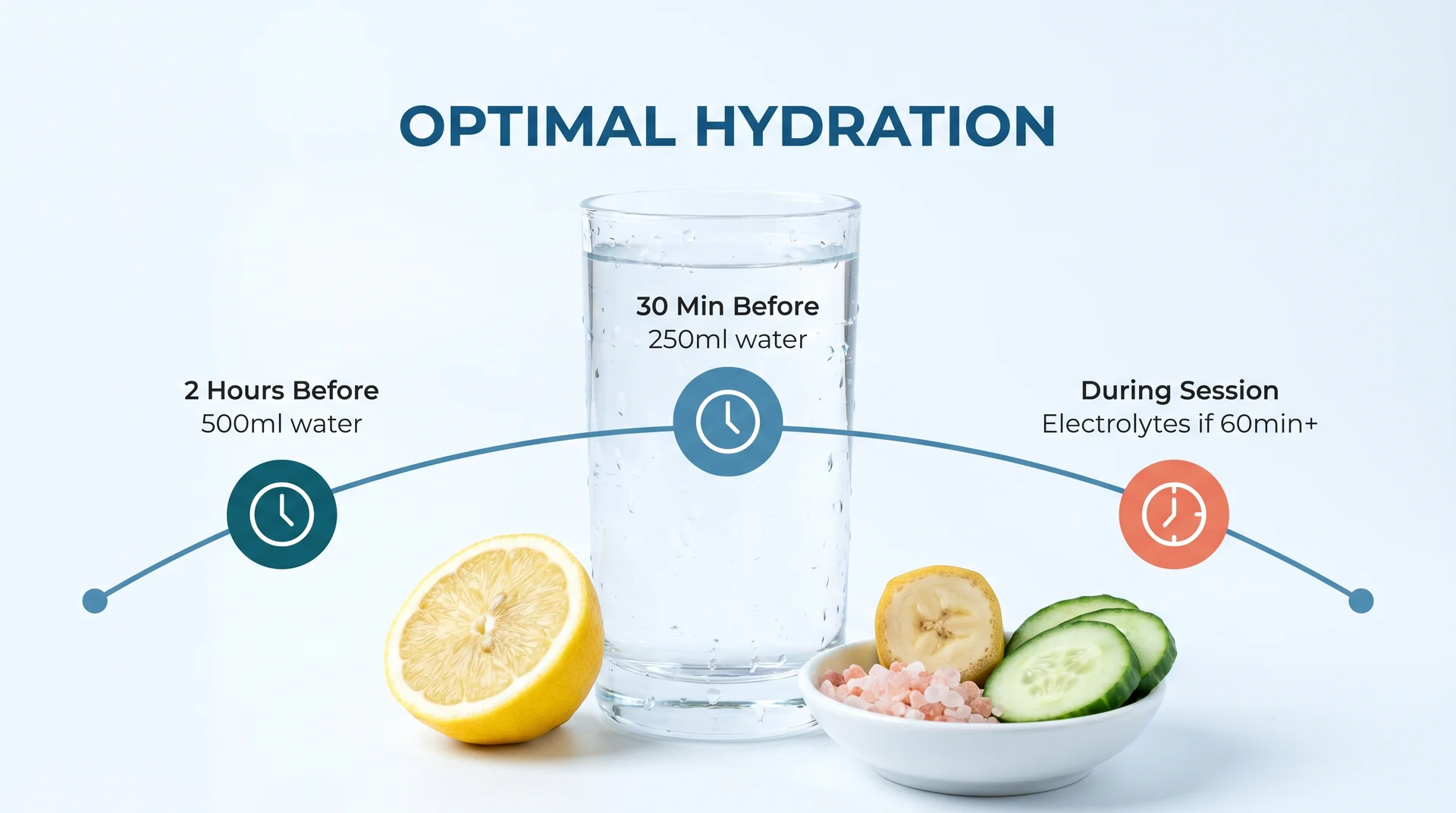
Dehydration can affect workout performance before thirst becomes obvious. Research shows that losing around 2% of body weight through fluid loss may reduce endurance, focus, and exercise capacity, especially during longer or hotter workouts.
The practical approach:
- Drink 500 ml (2 cups) of water at least 2 hours before training.
- Drink another 250 ml (1 cup) 20 to 30 minutes before you start.
- For sessions longer than 60 minutes, include an electrolyte source to replace sodium and potassium lost through sweat.
Watch for these signs before your session: dark yellow urine, a dull headache, dry mouth, or low motivation that does not match how you normally feel. Any of these points indicates inadequate hydration. Give yourself 15 to 20 minutes after drinking before starting the session.
Foods to Avoid Before a Workout
Some foods create real problems during training, even when they seem harmless outside the gym. The issue is almost always about digestion speed, stomach sensitivity, or blood sugar instability.
| Food | Why to Avoid |
|---|---|
| Fried or greasy food | Slows digestion significantly, causes sluggishness and discomfort |
| Large portions of full-fat dairy | Can cause bloating and stomach upset during exercise |
| Raw cruciferous vegetables in large amounts | High fiber content causes gas and cramping |
| Spicy food | Triggers heartburn and stomach irritation under physical stress |
| Carbonated drinks | Gas and bloating reduce physical comfort and performance output |
| Alcohol | Impairs coordination, accelerates dehydration, and delays muscle recovery |
| Sweets or candy without a protein or fat buffer | Causes a sharp blood sugar spike followed by a crash mid-session |
The deciding factor is whether the food will still be in your stomach when you start training. If the answer is likely yes, leave it outside the pre-workout window.
Is It Bad to Take Pre-Workout Every Day?
Taking pre-workout every day is not recommended for most people. The biggest concern is caffeine tolerance. Your body adapts quickly, and the same dose stops delivering the same effect within a few weeks.
This pushes people to take more, which raises the risk of side effects like disrupted sleep, increased heart rate, and dependency. Most sports nutrition professionals suggest cycling off pre-workout for one to two weeks every month to reset tolerance.
On lighter training days or rest days, skipping it entirely is the smarter call. Food-based fuel handles those sessions just fine.
Final Thoughts
Pre-workout meals are among the most direct ways to train better and protect the progress you are making.
The right food, eaten at the right time and matched to your workout and goal, gives your body a clear performance advantage.
Start with the timing principle: a full meal 2 to 4 hours before training, or a light snack 30 to 60 minutes before. Use the goal-specific options to find what works for your situation. Apply it consistently for two weeks and notice how your sessions respond.
What you eat before training matters more than most people realize, and the difference often shows up much sooner than most people expect.