You run out of nutritional yeast mid-recipe. Now what?
It happens more than you think. And the good news is, your dish does not have to suffer. There are plenty of ingredients sitting in your kitchen right now that can do a similar job.
Some match the cheesy flavor. Some bring that deep savory taste. Others work better for texture in sauces and dips.
This guide covers the best nutritional yeast substitutes. Each one comes with practical tips on how to use it, how much to add, and which recipes it works best with.
You will also find a simple breakdown at the end to help you choose the right nutritional yeast substitute for your diet and the dish you are making.
What Is Nutritional Yeast?
Nutritional yeast is a deactivated form of Saccharomyces cerevisiae yeast. Unlike baking yeast, it cannot rise or ferment food. The cells are killed during processing, making it completely safe to eat raw.
It starts as a living culture grown on a sugar-rich medium, such as molasses. Once harvested, it goes through a heating process that kills all active cells. It is then dried into light yellow flakes, granules, or powder.
The flavor is bold, cheesy, and savory with a mild nutty undertone. It dissolves easily into sauces and sticks well to dry foods like popcorn and pasta.
Cooks use it across a wide range of recipes:
- Vegan cheese sauces blended with cashews and plant milk
- Pasta dishes sprinkled on top like parmesan
- Soups stirred in for added savory depth
- Popcorn used as a dry, cheesy coating
- Salad toppings and dairy-free dips mixed in for flavor and body
It is also valued for its B vitamins and plant-based protein, especially in vegan diets.
What Makes a Good Nutritional Yeast Substitute?
The right substitute depends on what your recipe needs most. Not every ingredient can replace nutritional yeast equally well, so choosing the right one saves both time and flavor.
A good substitute should match at least one of these three qualities:
- Savory depth, a strong umami base that adds richness to the dish
- Cheesy taste is a flavor that resembles aged or sharp cheese
- Texture compatibility something that blends or sprinkles the way nutritional yeast does
Key things to keep in mind:
- Identify the role nutritional yeast plays in your recipe first. Is it a topping, a sauce base, or a flavor booster?
- Match the format. A powder works differently from a paste or liquid in a recipe.
- Consider dietary needs. Some substitutes contain dairy, soy, or nuts. Others are free from all of these.
- Taste before adding too much. Many substitutes are stronger or saltier than nutritional yeast. Start small.
- Combine two substitutes when one alone does not do the job. Miso paste plus cashews, for example, can replicate both the flavor and texture in a sauce.
Quick tip: If your substitute adds extra liquid, such as soy sauce or tamari, reduce other liquids in the recipe slightly to keep the balance right.
Best Nutritional Yeast Substitute Options
Each of the substitutes below brings something unique to your cooking. Some match the cheesy flavor, some add umami depth, and others work best for texture. Pick based on your recipe and dietary needs.
1. Parmesan Cheese
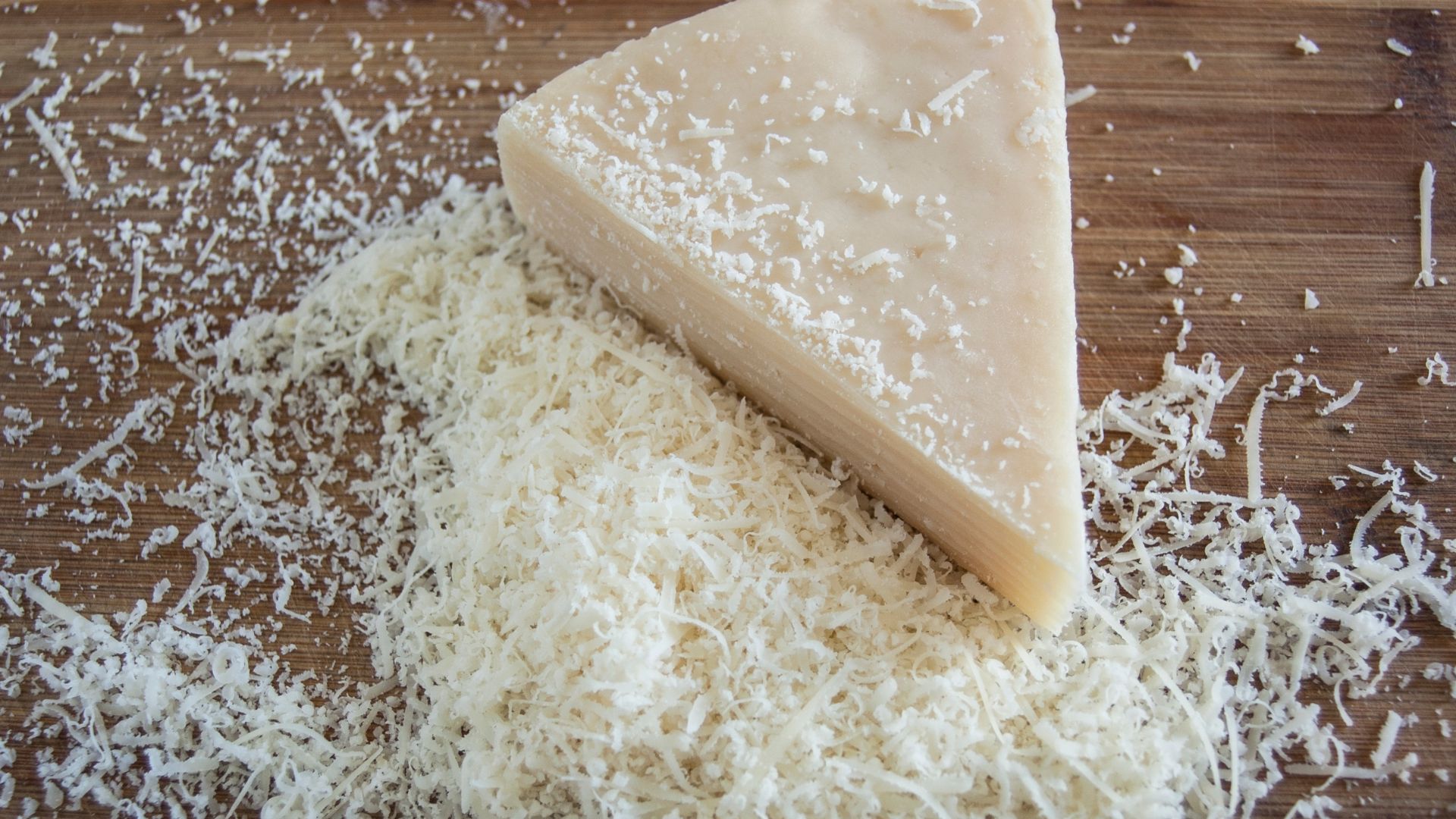
Parmesan is one of the closest flavor matches to nutritional yeast. Both share a sharp, salty, cheesy taste with a strong umami base.
Parmesan is aged, which concentrates its flavor. This makes it a natural swap for recipes where nutritional yeast adds a cheesy note.
Use half the amount of Parmesan compared to nutritional yeast. It is saltier and more intense, so a little goes a long way.
Best Recipes to Use It In
- Pasta dishes and risotto
- Soups and minestrone
- Roasted vegetable toppings
- Caesar salad dressing
- Garlic bread and savory biscuits
Parmesan is richer and fattier than nutritional yeast. It also carries a stronger salt hit. The nuttiness is similar, but Parmesan lacks the slightly earthy note that nutritional yeast has.
2. Brewer’s Yeast
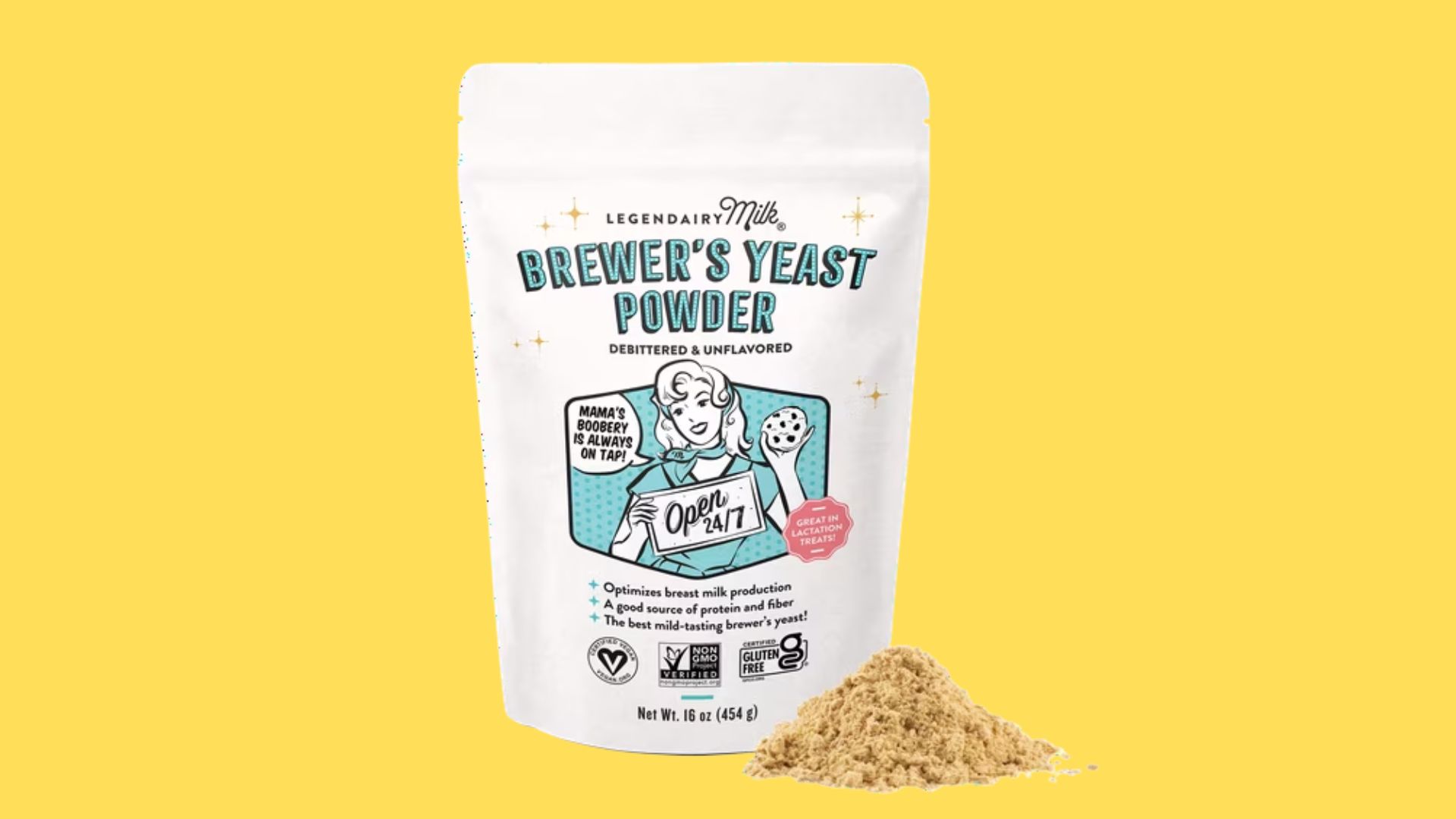
Brewer’s yeast comes from the same yeast species as nutritional yeast. Both are deactivated and both are high in B vitamins and protein.
The key difference is flavor. Brewer’s yeast is noticeably more bitter and has a sharper, less cheesy taste. It works better in small amounts where nutrition matters more than flavor.
Best Uses in Savory Recipes
- Savory crackers and homemade bread
- Seasoning blends and spice mixes
- Soups and gravies
- Protein-rich smoothies in small amounts
Start with half the amount the recipe calls for. Taste as you go. Brewer’s yeast turns bitter quickly if overused. Pairing it with miso or soy sauce softens the bitter edge and adds more savory depth.
3. Miso Paste
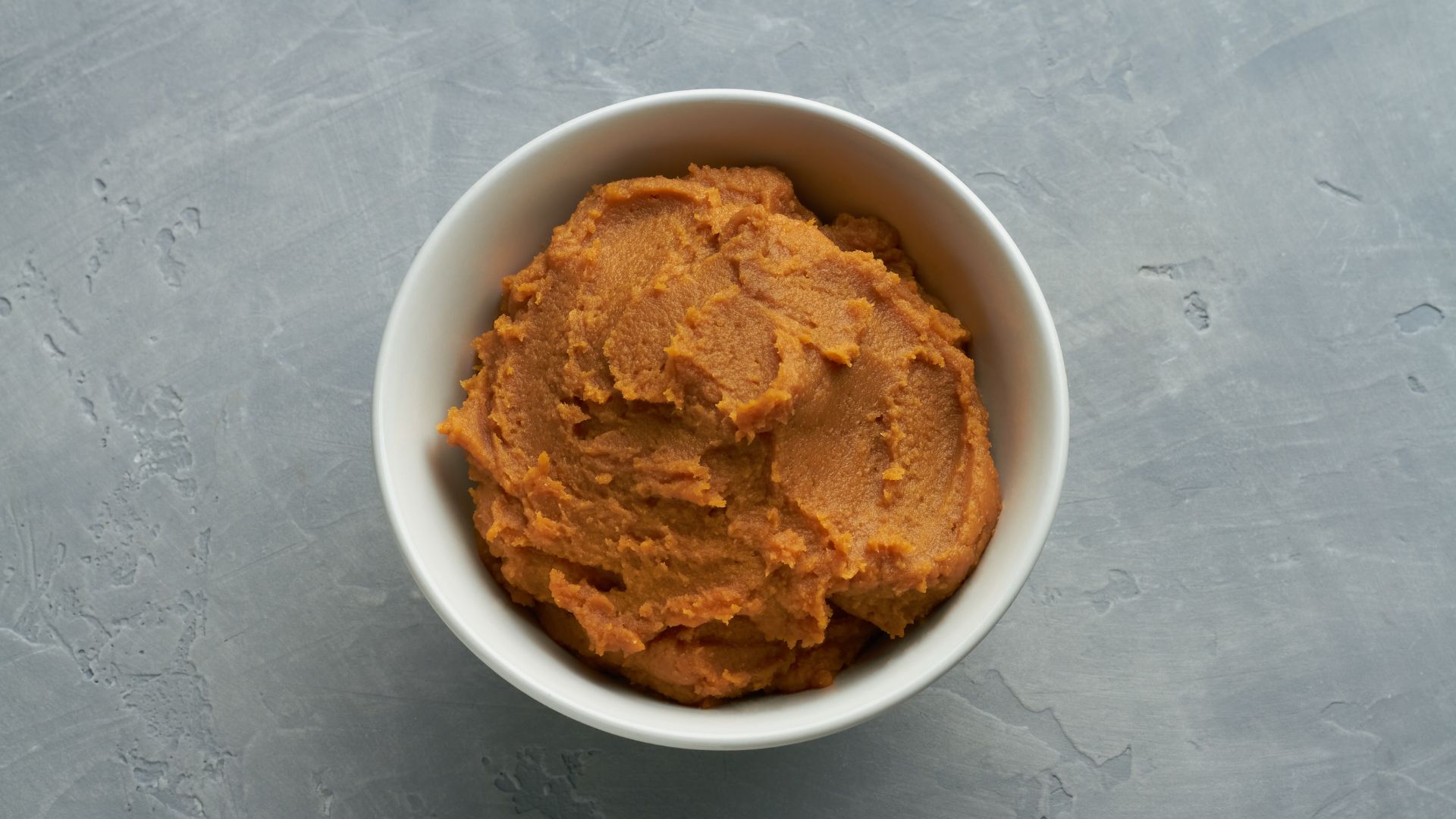
Miso paste is made from fermented soybeans. Fermentation builds deep umami compounds that closely match the savory backbone of nutritional yeast.
White miso is mild and slightly sweet. Red miso is stronger and saltier. Both work well depending on how bold you want the flavor to be.
Best Dishes for This Replacement
- Vegan cheese sauces and dressings
- Soups and noodle broths
- Roasted vegetable glazes
- Savory dips and spreads
Replace one tablespoon of nutritional yeast with half a teaspoon of miso paste. Miso is much more concentrated. It also adds sodium, so cut back on any extra salt when using it.
4. Cashews
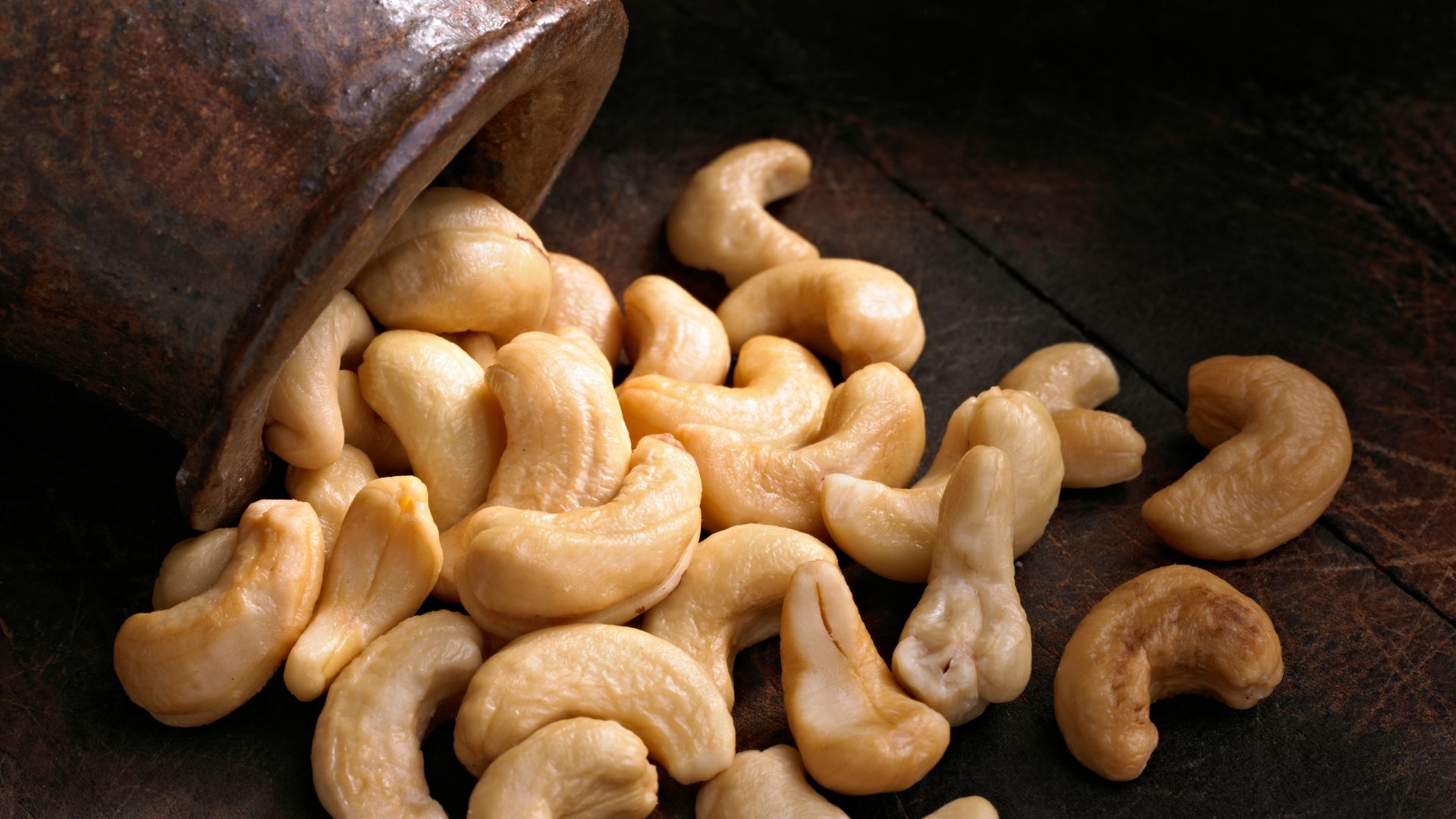
Cashews are a core ingredient in vegan cooking. When blended, they create a thick, creamy base with a mild, slightly sweet flavor.
They do not taste cheesy on their own. Combined with lemon juice, garlic, and salt, though, they produce a flavor that closely mimics a mild cheese sauce.
How to Prepare Cashews for Recipes
- Soak raw cashews in water for 4 to 6 hours, then drain and blend
- For a faster option, boil cashews for 15 minutes, then blend
- Add lemon juice, garlic, and salt during blending for the best cheesy result
5. Sunflower Seeds
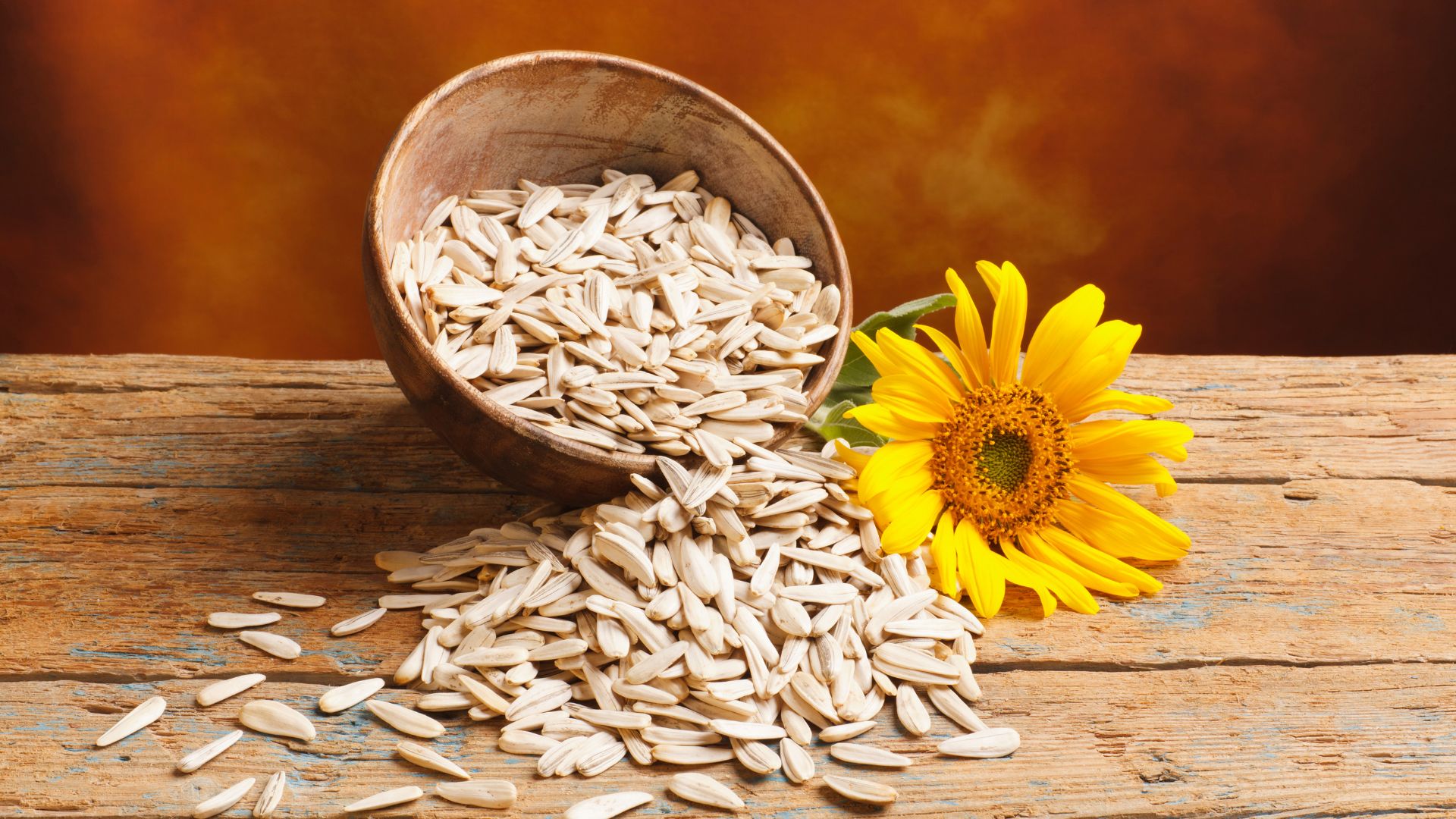
Sunflower seeds are a strong pick for people with nut allergies. They have a mild, slightly savory and nutty flavor that blends well without overpowering a dish. Raw, unsalted sunflower seeds give the best results.
How to Blend Into Sauces and Toppings
- Blend soaked sunflower seeds with lemon juice, garlic, salt, and a small amount of miso for a cheesy flavor
- For dry toppings, pulse seeds in a food processor until coarsely ground
- Mix ground seeds with garlic powder and a pinch of salt before sprinkling over food
Best Recipes for This Substitute
- Vegan cheese sauces without nuts
- Dry toppings for pasta and salads
- Savory seed-based dips
- Plant-based pesto
6. Soy Sauce or Tamari
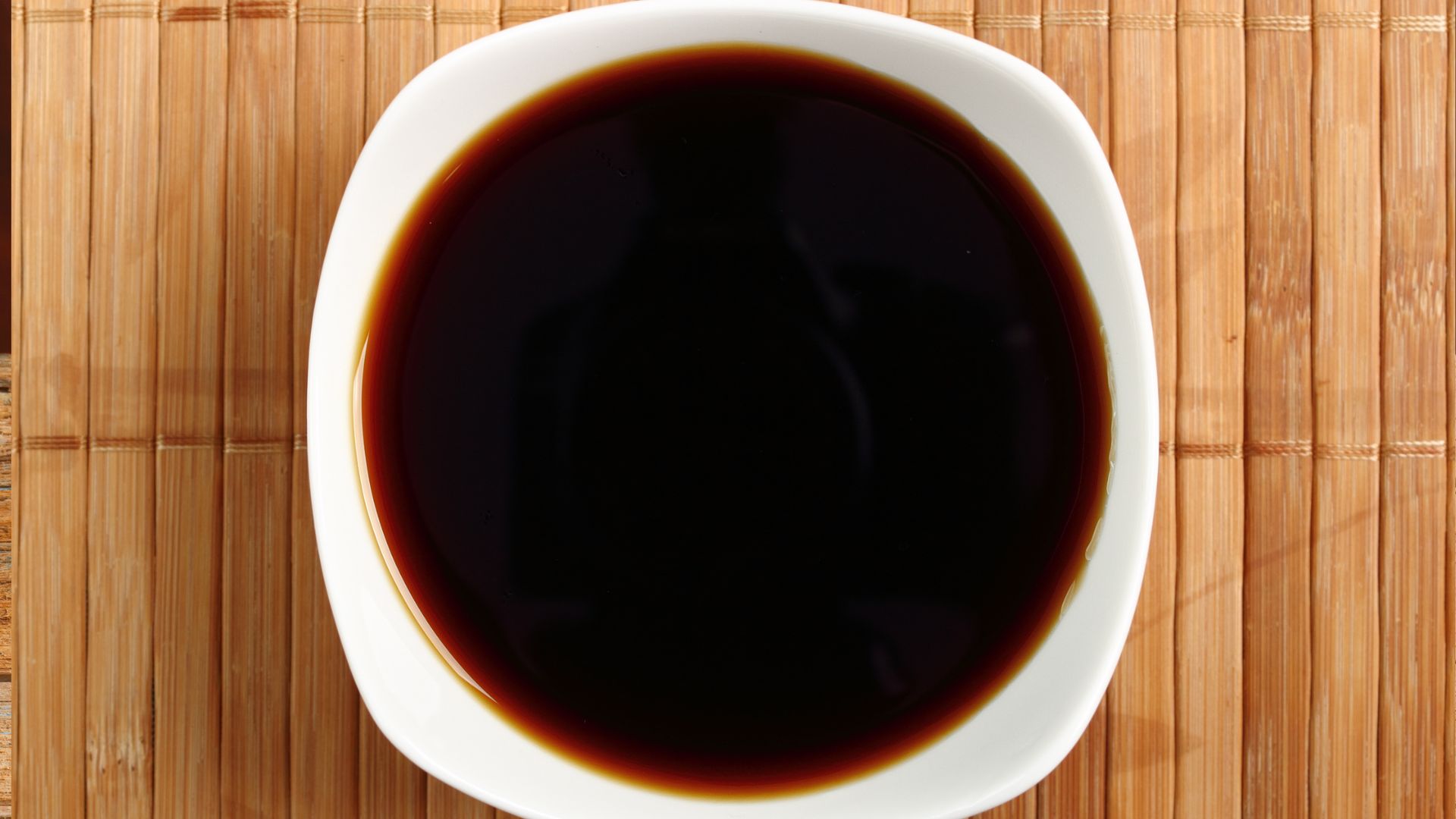
Soy sauce and tamari are both rich umami sources that add the same savory depth that nutritional yeast brings to a dish.
Tamari is wheat-free, making it the better pick for people avoiding gluten. Both are fermented, which deepens their overall flavor profile over a standard seasoning.
Recipes Where It Works Best
- Stir-fries and grain bowls
- Marinades for tofu and tempeh
- Savory soups and broths
- Salad dressings with a bold, savory edge
Soy sauce and tamari are high in sodium. Use about one teaspoon in place of one tablespoon of nutritional yeast. Cut back on added salt in the rest of the recipe.
7. Tahini
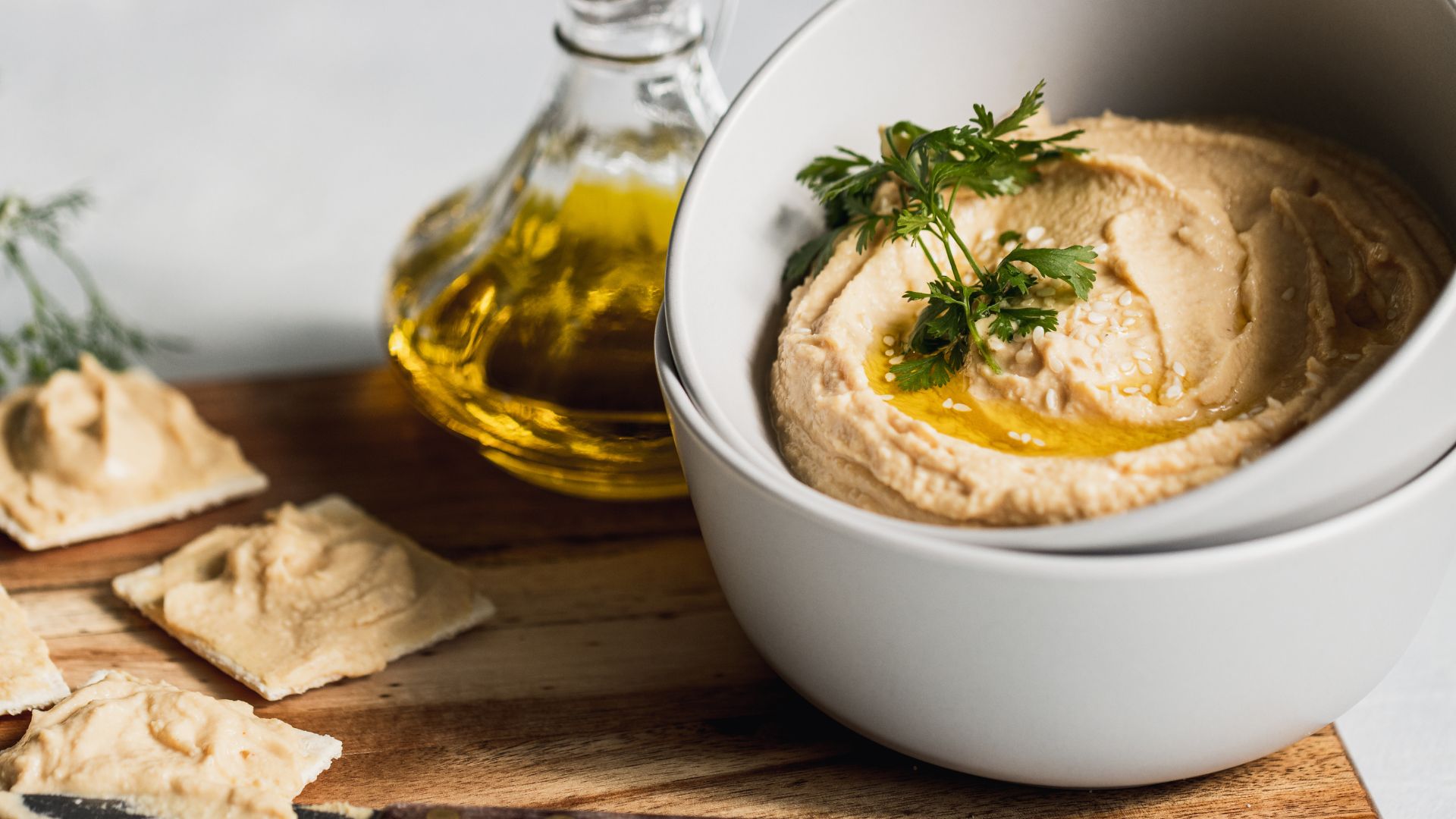
Tahini is made from ground sesame seeds. It has a rich, slightly bitter, and nutty flavor that adds real depth to blended sauces and dressings.
It does not directly replicate the cheesy notes of nutritional yeast. What it does bring is the same richness and body that makes dishes feel more satisfying.
Best Ways to Use It in Vegan Cooking
- Creamy vegan dressings and dips
- Noodle sauces with soy sauce and ginger
- Hummus and savory spreads
- Roasted vegetable sauces
Tahini can taste bitter on its own. Balance it with lemon juice and a small amount of maple syrup to round off the edges. Pairing tahini with miso paste creates a deeper, more complex savory flavor that comes closer to nutritional yeast.
8. Coconut Aminos
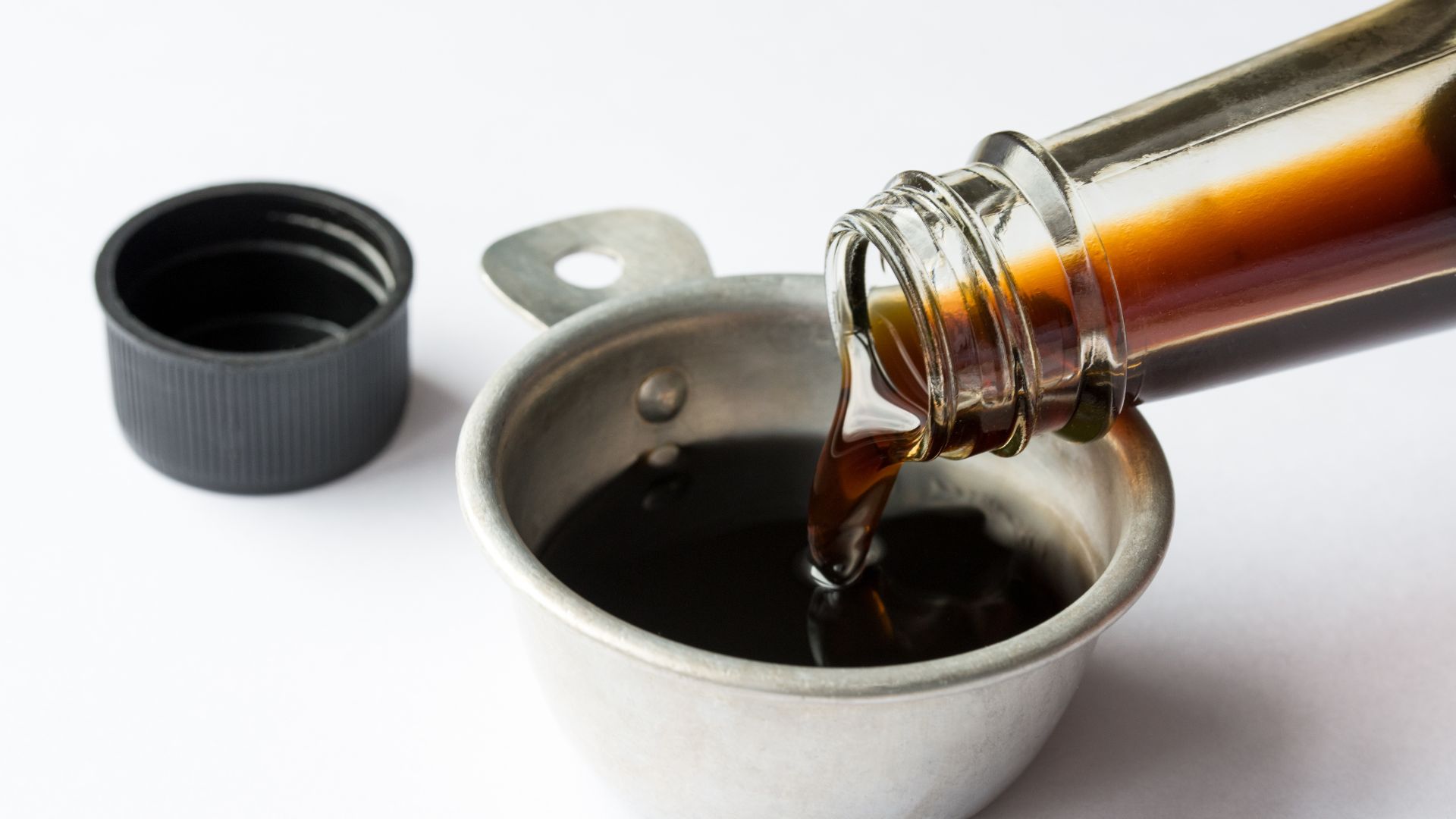
Coconut aminos come from fermented coconut sap. They offer a mild, slightly sweet umami flavor with no soy or gluten. This makes them a practical option for people with soy allergies or those following a paleo-style diet.
Best Uses in Cooking
- Stir-fry sauces and noodle dishes
- Salad dressings with a savory note
- Marinades for vegetables and plant-based proteins
- Dipping sauces for spring rolls or dumplings
9. Mushroom Powder
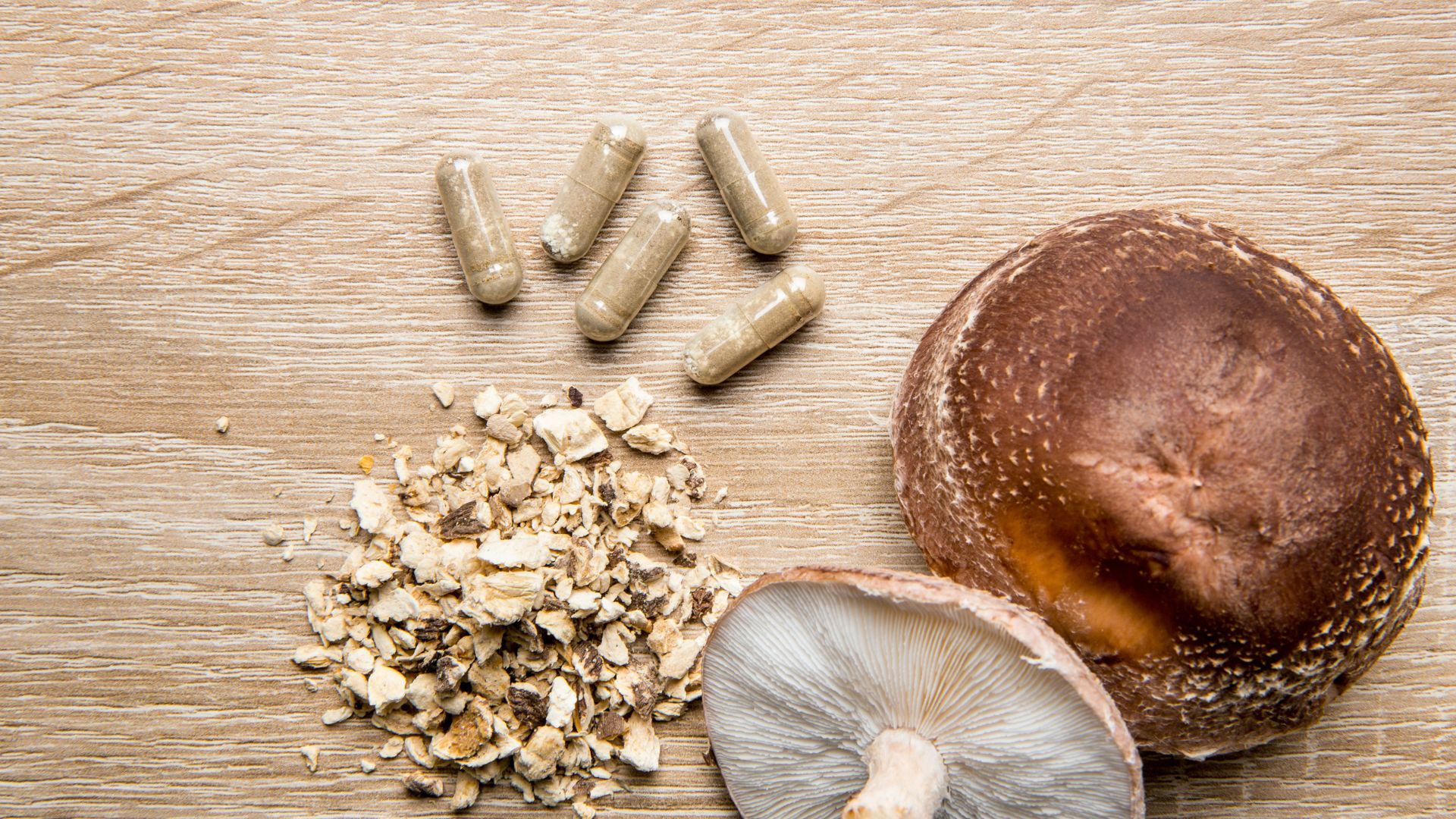
Strong Natural Umami Flavor
Mushroom powder is one of the most concentrated natural sources of umami. Dried and ground mushrooms, especially porcini or shiitake, carry an intense savory flavor that builds depth in any dish. A very small amount goes a long way.
How to Use It Without Overpowering Dishes
- Start with one-quarter teaspoon per tablespoon of nutritional yeast called for
- Mix with mild ingredients like cashews or sunflower seeds to balance the intensity
- Add toward the end of cooking to preserve the full flavor
Best Savory Recipes
- Soups, stews, and gravies
- Vegan meat-style dishes and patties
- Savory spice blends
- Grain-based side dishes and pilafs
10. Cheese Powder
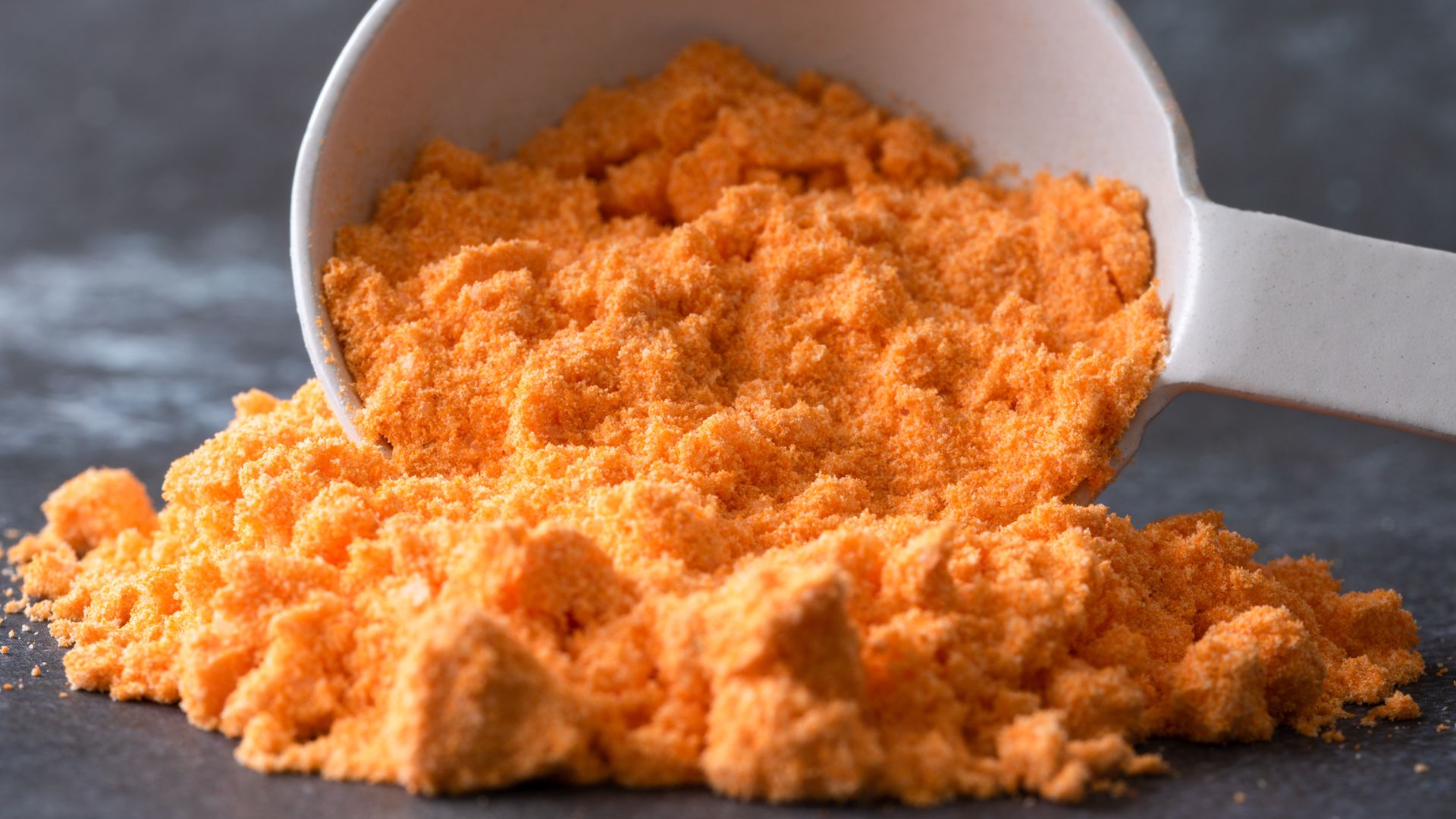
Cheese powder is made from dehydrated real cheese. It has a sharp, concentrated cheesy flavor that works well when you want the taste without fresh cheese. It is widely used in snack foods and packaged meal products.
Ideal Recipes for Cheese Powder
- Popcorn and roasted nuts
- Savory pasta bakes
- Cheese-flavored crackers and breadsticks
- Mac and cheese-style sauces
Cheese powder is finer and more intensely flavored than nutritional yeast. It dissolves quickly in liquids and coats dry foods well.
The taste is sharper and more distinctly dairy. It does not carry the earthy or nutty notes that nutritional yeast brings to a dish.
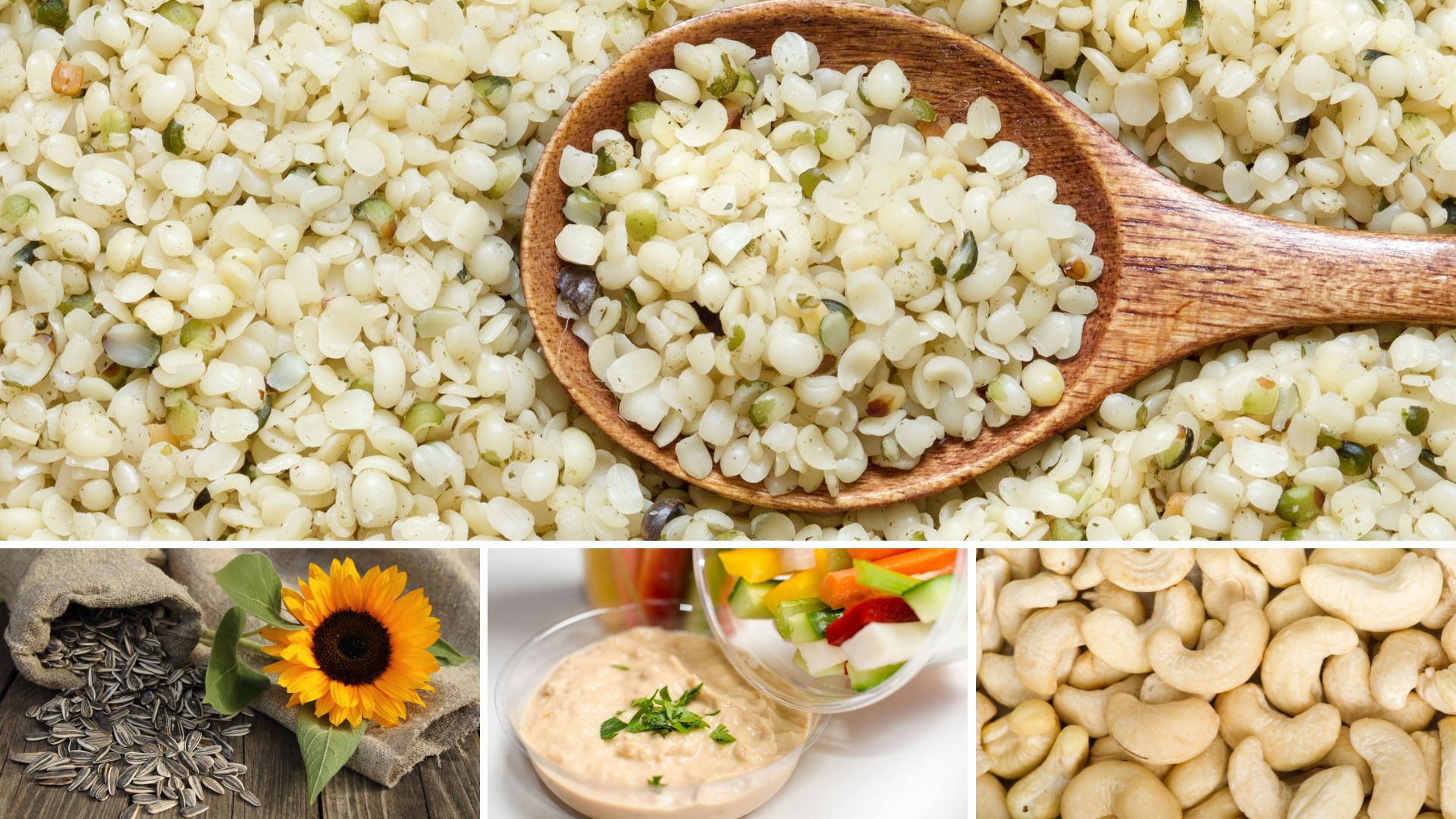
11. Hemp Seeds
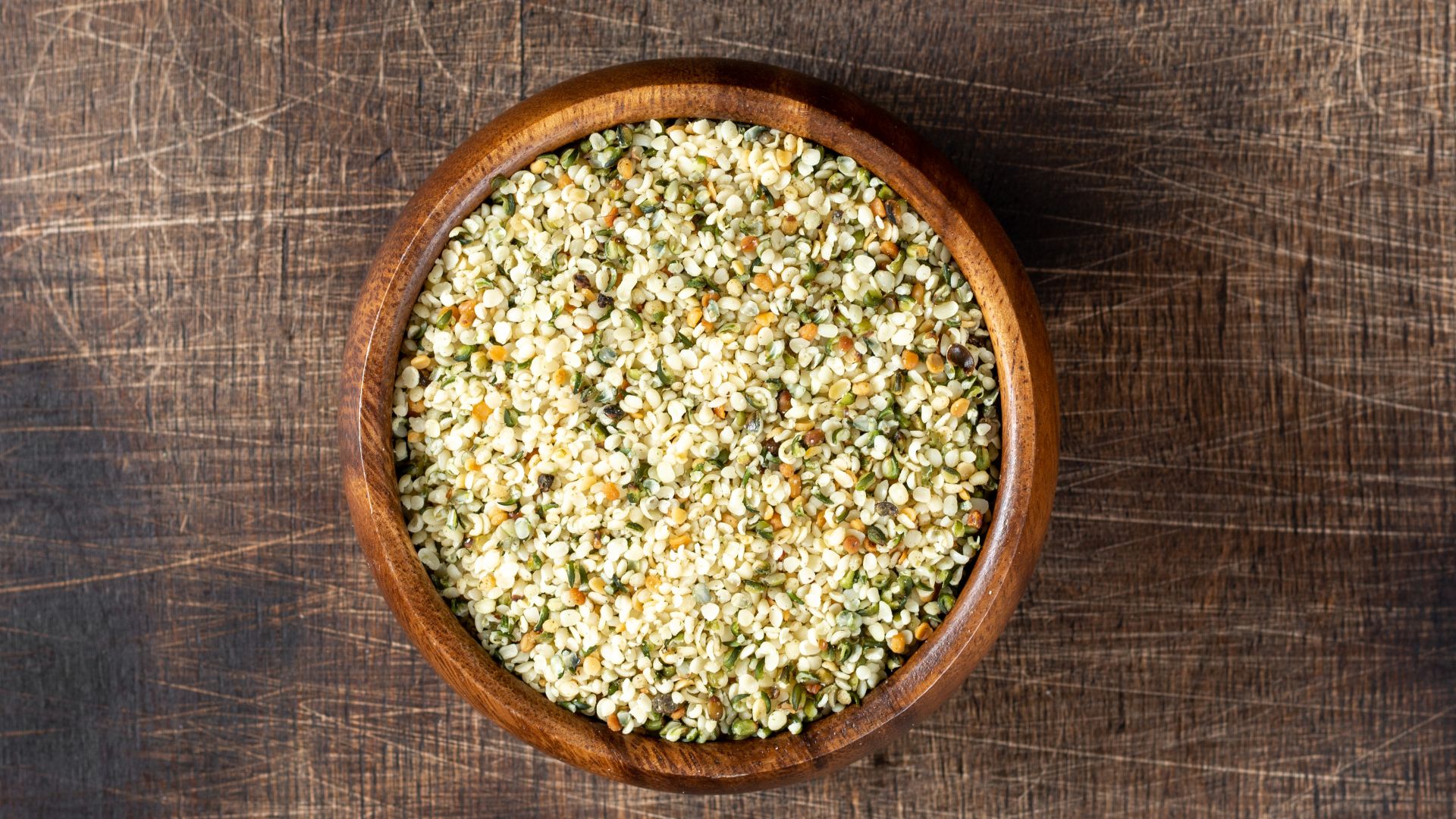
Hemp seeds are small but packed with complete protein, healthy fats, and essential minerals. They have a mild, slightly nutty flavor that blends into many recipes without taking over. They are a solid option when you need both nutrition and a quiet savory note.
Best Ways to Add Them to Meals
- Sprinkle raw over salads, grain bowls, and pasta
- Blend into smoothies and sauces for added protein
- Mix into dry spice blends and use as a topping
- Stir into warm dishes just before serving
Hemp seeds work best when paired with stronger umami ingredients like miso, soy sauce, or mushroom powder.
This combination fills in the flavor gap that nutritional yeast would normally cover, while hemp seeds contribute texture, nutrition, and a subtle nuttiness.
How to Choose the Best Nutritional Yeast Substitute?
Choosing the right substitute depends on your recipe type, your diet, and the flavor you are trying to match.
Best Option for Vegan Recipes
Miso paste and cashews are the top choices for vegan cooking. Miso adds deep savory flavor to sauces and soups with just a small amount.
Cashews build a creamy, mild cheese base when blended properly. Using both together gives you the closest match to nutritional yeast in fully plant-based dishes.
Best Option for Cheese Flavor
Parmesan cheese is the best match if dairy is not a concern. It shares the same sharp, salty, umami-rich flavor profile and works in almost any recipe that calls for nutritional yeast as a topping.
For a vegan option, store-bought vegan parmesan comes closest since it often contains nutritional yeast as a core ingredient anyway.
Best Nut-Free Alternative
Sunflower seeds and mushroom powder are the strongest nut-free picks. Sunflower seeds blend into sauces and work as dry toppings without any allergen concerns.
Mushroom powder adds bold umami without any nuts or dairy. Both options are also soy-free, making them safe for people managing multiple dietary restrictions at once.
Best High-Protein Substitute
Brewer’s yeast and hemp seeds lead here. Brewer’s yeast matches the protein and B-vitamin profile of nutritional yeast more closely than any other substitute on this list.
Hemp seeds offer complete protein with all essential amino acids in a mild, easy-to-use format. Both work well in savory recipes without changing the overall flavor of the dish too much.
Finding the Right Nutritional Yeast Substitute for Your Kitchen
Running out of nutritional yeast is not a big problem once you know your options.
Parmesan works great for a quick cheesy fix. Miso paste and cashews are reliable picks for vegan cooking. Mushroom powder and sunflower seeds cover nut-free needs without losing flavor. And brewer’s yeast or hemp seeds step in when protein is the priority.
The best nutritional yeast substitute is simply the one that fits your recipe and your diet at that moment.
Try one option this week. See how it changes your dish. Then come back and tell us which one worked best for you in the comments below.
And if you found this guide useful, share it with someone who regularly cooks plant-based meals.